- Health
- Food & Diet
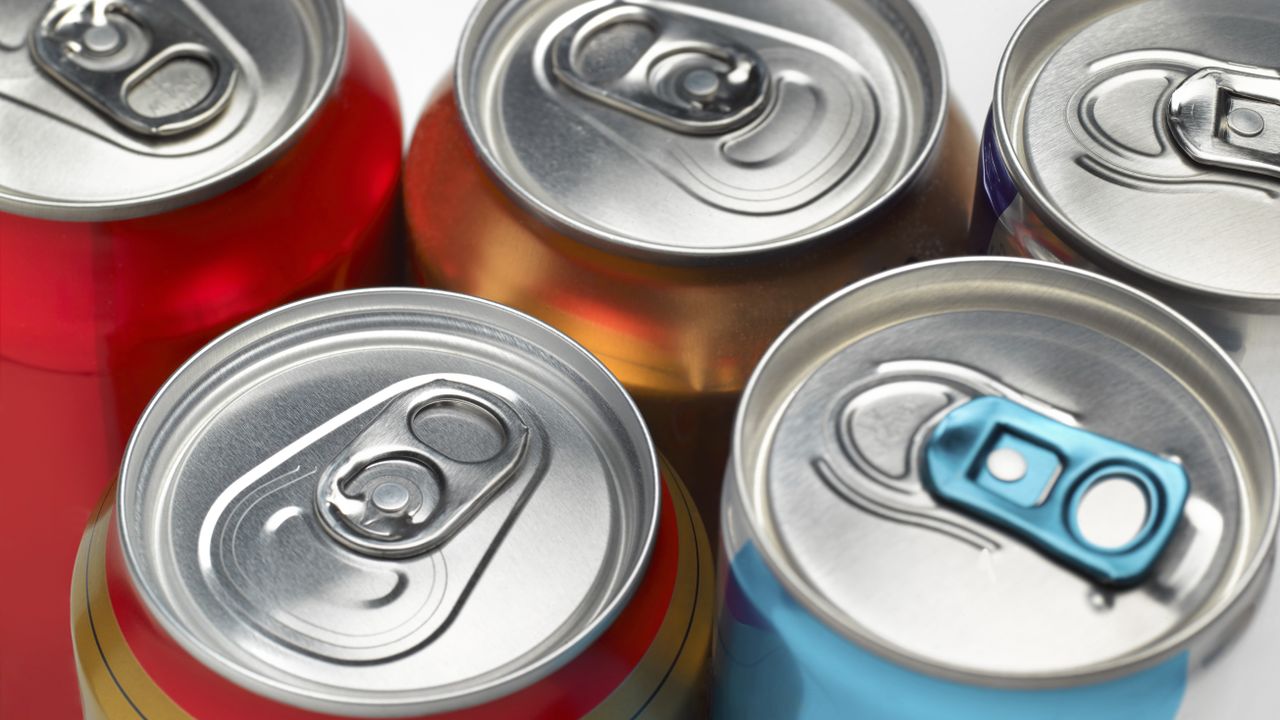
A man with few risk factors unexpectedly experienced a stroke, and his daily energy drink habit may have been to blame.
When you purchase through links on our site, we may earn an affiliate commission. Here’s how it works.
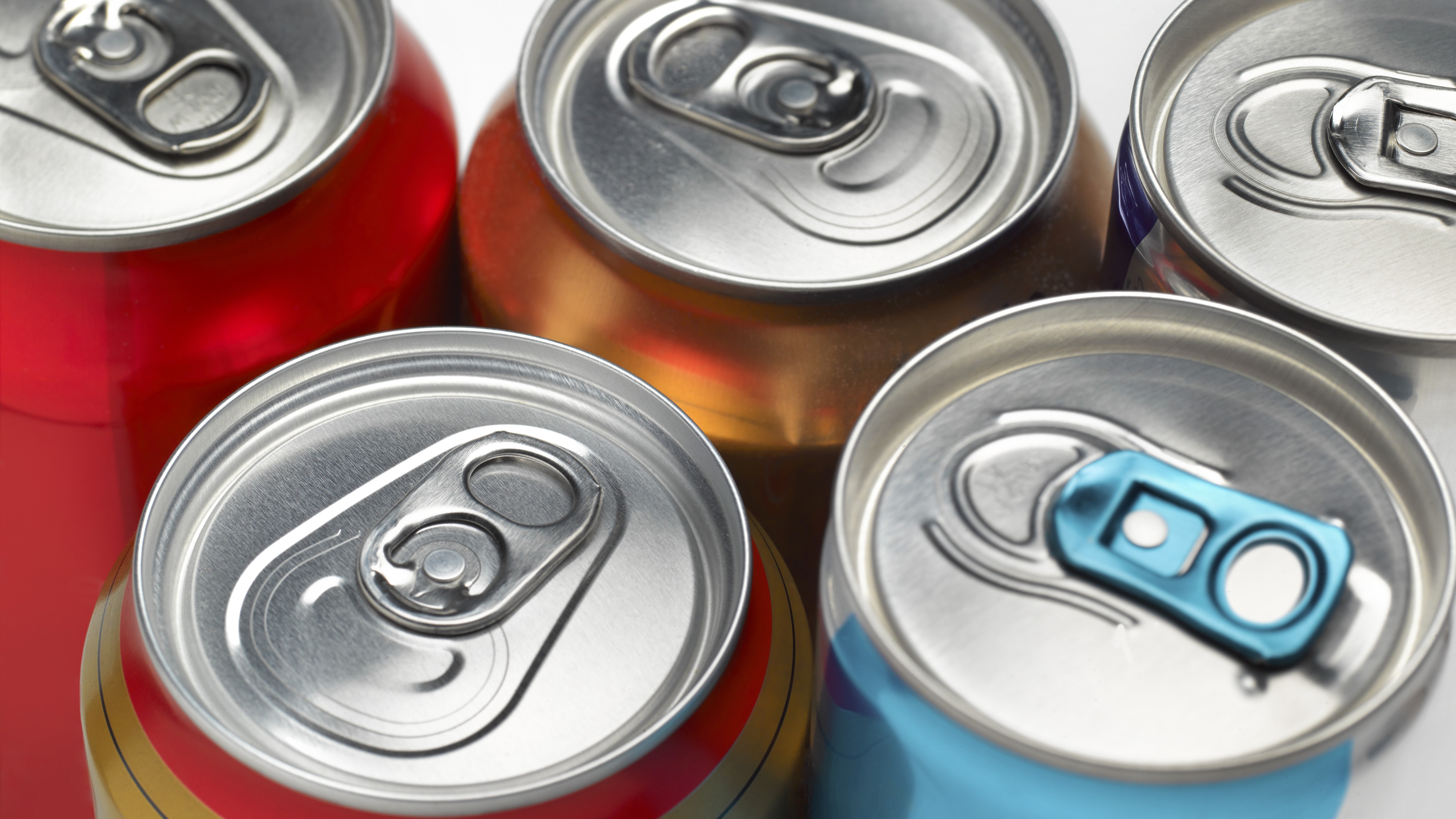 A man seemed to have a low risk of stroke, but nonetheless had one. Questions probing his lifestyle revealed the likely culprit.
(Image credit: Peter Dazeley via Getty Images)
Share
Share by:
A man seemed to have a low risk of stroke, but nonetheless had one. Questions probing his lifestyle revealed the likely culprit.
(Image credit: Peter Dazeley via Getty Images)
Share
Share by:
- Copy link
- X
The patient: A man in his 50s in Nottingham, England
The symptoms: The man suddenly developed numbness on his left side, as well as unsteadiness.
You may like-
 A woman's homemade juice led to life-threatening 'toxic squash syndrome'
-
 A woman got unusual bruising from a massage gun. It turned out she had scurvy.
-
 A man's muscles looked strangely deformed. Doctors found they were leaking calcium into his blood.
A CT angiogram — a scan that details the blood vessels, including blockages and damage — showed signs that the man may have experienced a sudden spasming and narrowing of the cerebral arteries, an event known as reversible cerebral vasoconstriction syndrome (RCVS). Additionally, an MRI showed tissue death in the thalamus, which acts as a relay station for motor and sensory information; specifically, he had damage in the thalamus located on the right side of the brain.
There were no other notable findings on the patient's exam, and his medical history lacked any history of smoking, alcohol use or substance abuse. The report describes him as "normally fit and well."
The diagnosis: The man was diagnosed with a right thalamic lacunar stroke. A lacunar stroke happens when a blood vessel that carries blood to one of the brain's deep structures gets blocked. Right-sided strokes affect the sensation and movement on the left side of the body, and vice versa.
The treatment: The man was treated with a combination of physiotherapy and occupational therapy while at the hospital, and he began taking blood thinners to help prevent another stroke. He also began taking a cholesterol-lowering drug and blood-pressure-lowering medications.
Sign up for the Live Science daily newsletter nowContact me with news and offers from other Future brandsReceive email from us on behalf of our trusted partners or sponsorsBy submitting your information you agree to the Terms & Conditions and Privacy Policy and are aged 16 or over.The man had several follow-up appointments over the next three months. "He appeared to have made an excellent functional recovery, although the sensory symptoms [of numbness] were persistent and deteriorated throughout the day," his doctors noted. His blood pressure had also remained persistently high, so he began taking additional blood-pressure drugs.
At that point, the doctors asked the patient more questions about his lifestyle and learned that he consumed an average of eight cans of a "high-potency" energy drink each day. Each can contained 160 milligrams of caffeine per 16 fluid ounces, adding up to about 1.2 grams of caffeine a day. (Less than 400 milligrams is considered a safe daily dose of caffeine.)
The patient was advised to stop consuming energy drinks, and his blood pressure quickly fell to normal levels. He was able to stop taking all of his prescribed medications within three weeks of quitting the drinks.
You may like-
A woman's homemade juice led to life-threatening 'toxic squash syndrome'
-
A woman got unusual bruising from a massage gun. It turned out she had scurvy.
-
A man's muscles looked strangely deformed. Doctors found they were leaking calcium into his blood.
"Further follow-up at 3 and 6 months showed complete resolution of hypertension and a complete recovery from the stroke with full return to work," his doctors reported. Eight years later, he had had no further strokes, though he still had lingering sensory issues on his left side from the first stroke.
What makes the case unique: Although he was otherwise healthy, the man's excessive consumption of energy drinks appeared to have driven his high blood pressure and subsequent stroke.
The case report authors noted that the high caffeine levels were likely a big culprit, but they hypothesized that other common ingredients in energy drinks may have contributed to the stroke risk. For instance, when combined with caffeine, taurine and guarana may amplify the stimulant's blood-pressure-boosting effects and its effects on blood-vessel constriction, they theorized. Taurine, an amino acid, is often added to energy drinks for its purported ability to increase exercise capacity, while guarana is a plant that is similarly perceived to have health benefits and whose seeds contain caffeine.
Additionally, the high sugar content of many energy drinks may further raise the risk by causing inflammation and dysfunction in the lining of blood vessels.
OTHER DILEMMAS—Woman's severe knee pain reveals 'golden threads' in her joints
—Hunter's rare allergy meant he could no longer eat red meat
—A man had hiccups for 5 days — and a virus may have been to blame
The authors cited a handful of published medical case reports in which the excessive consumption of energy drinks or of individual energy drink ingredients was tied to cardiovascular issues, including dangerously high blood pressure.
They concluded that "both acute and chronic intake" of energy drinks may increase the risk of cardiovascular disease and stroke.
"Healthcare professionals should consider specific questioning related to ED [energy drink] consumption in young patients presenting with stroke or unexplained hypertension," they concluded. Importantly, the risk seems to be reversible, they added, given that quitting energy drinks appears to resolve the related problems.
For the patient's part, he said, "I obviously wasn't aware of the dangers drinking energy drinks were causing to myself. [I] have been left with numbness [in my] left hand side hand and fingers, foot and toes even after 8 years."
For more intriguing medical cases, check out our Diagnostic Dilemma archives.
DisclaimerThis article is for informational purposes only and is not meant to offer medical advice.
TOPICS caffeine Diagnostic dilemma Nicoletta LaneseSocial Links NavigationChannel Editor, Health
Nicoletta Lanese is the health channel editor at Live Science and was previously a news editor and staff writer at the site. She holds a graduate certificate in science communication from UC Santa Cruz and degrees in neuroscience and dance from the University of Florida. Her work has appeared in The Scientist, Science News, the Mercury News, Mongabay and Stanford Medicine Magazine, among other outlets. Based in NYC, she also remains heavily involved in dance and performs in local choreographers' work.
Show More CommentsYou must confirm your public display name before commenting
Please logout and then login again, you will then be prompted to enter your display name.
Logout Read more A woman's homemade juice led to life-threatening 'toxic squash syndrome'
 A woman got unusual bruising from a massage gun. It turned out she had scurvy.
 A man's muscles looked strangely deformed. Doctors found they were leaking calcium into his blood.
 A woman's nausea was triggered by a huge mass in her stomach — which doctors dissolved with diet soda
 Diagnostic dilemma: A brain lesion gave a woman a lifetime of joyless laughing fits
 Study reveals why the brain 'zones out' when you're exhausted
Latest in Food & Diet
A woman's homemade juice led to life-threatening 'toxic squash syndrome'
Study reveals why the brain 'zones out' when you're exhausted
Latest in Food & Diet
A woman's homemade juice led to life-threatening 'toxic squash syndrome'
 A toxicologist explains when you can safely cut the moldy part off food, and when it's best to toss it
 FDA recalls more bagged, frozen shrimp over possible radioactive cesium contamination
 Man sought diet advice from ChatGPT and ended up with dangerous 'bromism' syndrome
 No-sugar sweetener erythritol may pose risk to cells in the brain
 People on Ozempic start disliking meat and fried foods. We're starting to learn why.
Latest in Features
People on Ozempic start disliking meat and fried foods. We're starting to learn why.
Latest in Features
 Science history: Anthropologist sees the face of the 'Taung Child' — and proves that Africa was the cradle of humanity — Dec. 23, 1924
 What's the fastest a human can grow?
 Glittering new James Webb telescope image shows an 'intricate web of chaos' — Space photo of the week
 Interstellar comet 3I/ATLAS is rapidly moving away from us. Can we 'intercept' it before it leaves us forever?
 Why is Venus so bright?
 Rare dusting of snow covers one of the driest place on Earth and shuts down massive radio telescope
LATEST ARTICLES
Rare dusting of snow covers one of the driest place on Earth and shuts down massive radio telescope
LATEST ARTICLES 118,000 years ago, ice age humans built dwellings out of mammoth bones in Ukraine
- 2Tiny implant 'speaks' to the brain with LED light
- 3Cats meow more at men to get their attention, study suggests
- 4See the 100,000th photo of Mars taken by NASA's groundbreaking Red Planet orbiter
- 5'A huge surprise': 1,500-year-old church found next to Zoroastrianism place of worship in Iraq