- Archaeology
- Romans
Some of the victims at Pompeii were wearing woolen cloaks when they died, even though it was August, new research finds.
When you purchase through links on our site, we may earn an affiliate commission. Here’s how it works.
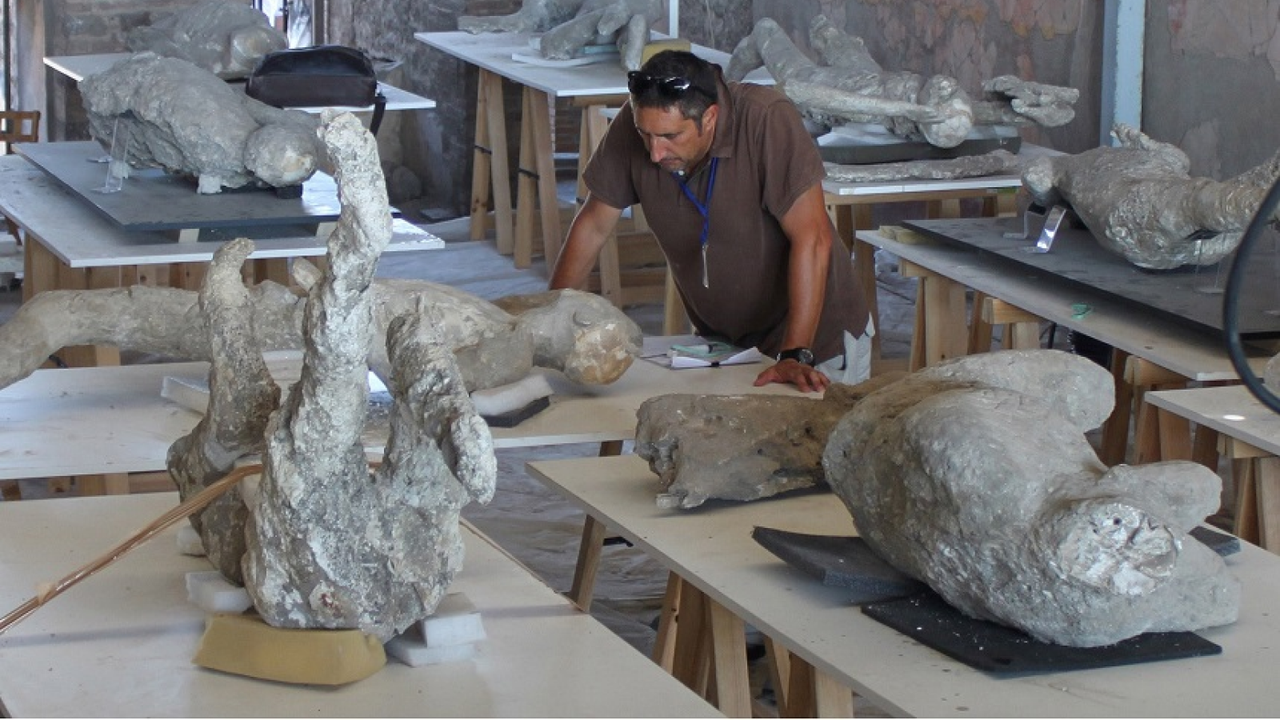
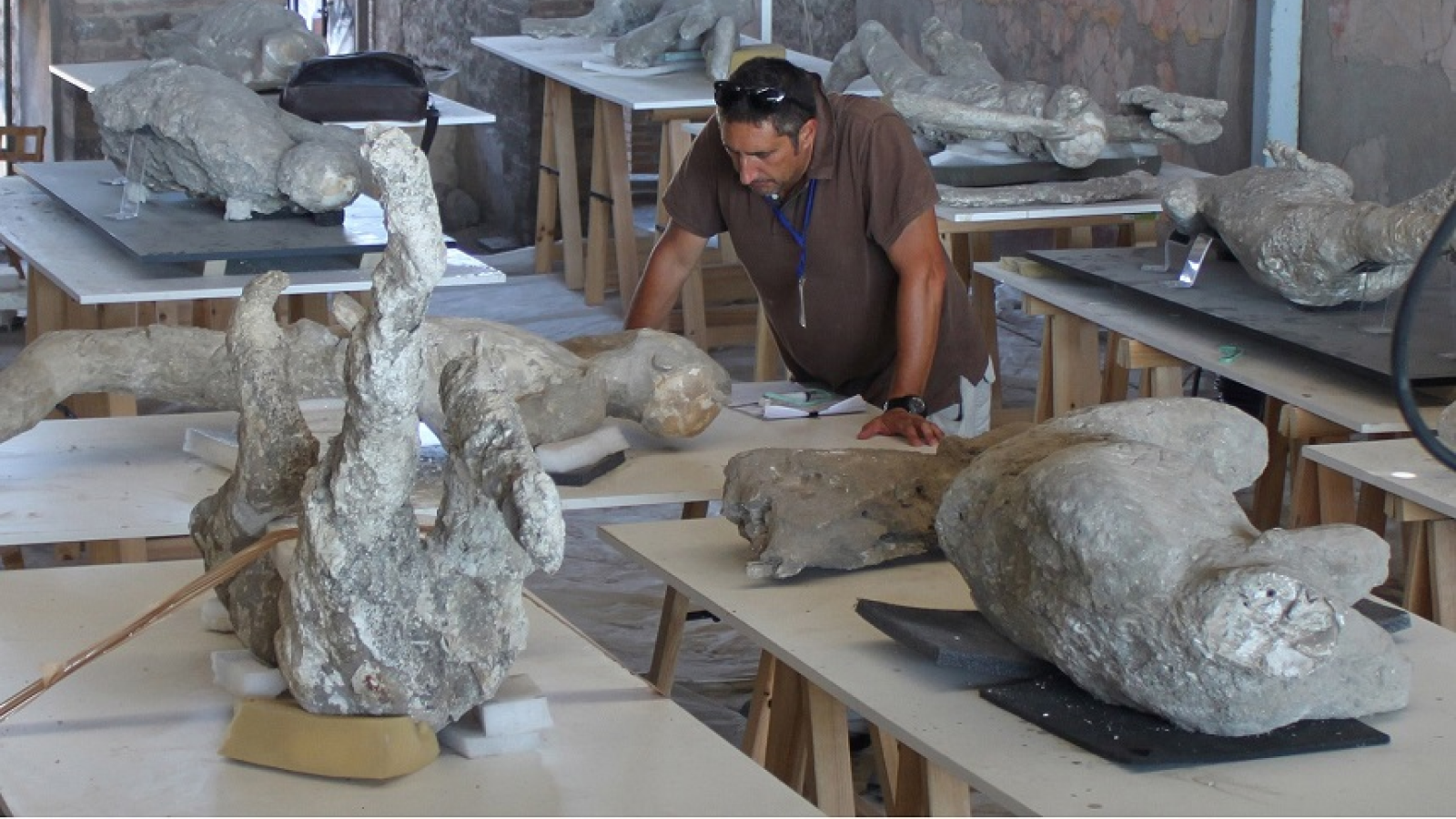 University of Valencia archeologist Llorenç Alapont among some of the plaster casts of the victims at Pompeii.
(Image credit: University of Valencia )
Share
Share by:
University of Valencia archeologist Llorenç Alapont among some of the plaster casts of the victims at Pompeii.
(Image credit: University of Valencia )
Share
Share by:
- Copy link
- X
Pompeii may have been unseasonably cold when the eruption of Mount Vesuvius destroyed the Roman city in A.D. 79, new research proposes.
A new analysis of 14 of the iconic plaster casts made of the victims at Pompeii has revealed that at least four were wearing woolen clothing when they were buried, even though late August — when the eruption is thought to have happened — is typically hot in this region. It's also possible that people were wearing woolen clothes for protection against the eruption, the researchers noted.
You may like-
 'People made it out of the cities alive': Tracing the survivors of Pompeii and Herculaneum, 2,000 years after Vesuvius erupted
-
 'It's really an extraordinary story,' historian Steven Tuck says of the Romans he tracked who survived the AD 79 eruption of Mount Vesuvius
-
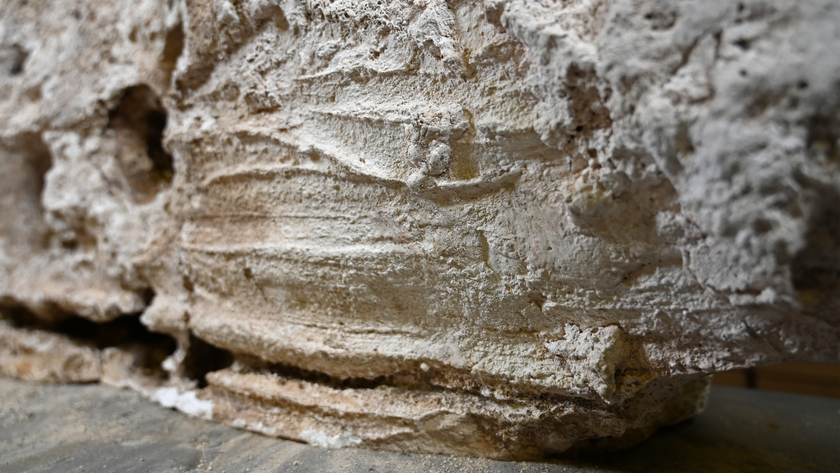 'They had not been seen ever before': Romans made liquid gypsum paste and smeared it over the dead before burial, leaving fingerprints behind, new research finds
It plays into an old idea that Vesuvius might have erupted in a later and colder month than August. But modern scholarship has determined from contemporaneous documents that the volcano blew on Aug. 24, 79, and some experts suggest the traces of woolen clothes from Pompeii are not signs of cold.
"They were wearing wool because that's what people wore at that time," said Pedar Foss, a historian and archaeologist at DePauw University in Indiana who was not involved with the research. Sheep's wool was tough, warm even when wet, and relatively cheap; linen from flax was available but delicate; and only the elites wore silk and cotton in ancient times. "About 90% of all clothing anywhere was wool," Foss told Live Science.
The research was led by Llorenç Alapont, an archaeologist at the University of Valencia. According to a translated statement from the university, the researchers studied the weaves of fabric imprinted on the plaster casts of the Vesuvius victims at Pompeii. "From our study … we can know how people dressed on this specific day in history," Alapont said in the statement.
Disputed date
A total of 104 casts have been made at Pompeii since the 19th century by using plaster to fill the voids where victims had been buried by ash and debris from the erupting volcano. (Miami University history professor Steven Tuck thinks that around 2,000 people were killed at Pompeii but that many more escaped.) Casts are no longer made, because it's now thought they could destroy any remains.
Sign up for the Live Science daily newsletter nowContact me with news and offers from other Future brandsReceive email from us on behalf of our trusted partners or sponsorsBy submitting your information you agree to the Terms & Conditions and Privacy Policy and are aged 16 or over.The imprints of the weaves of garments from the victims at Pompeii show most were wearing a two-piece outfit of a woolen tunic and cloak, Alapont said. But "we do not know if this particular clothing was to protect themselves from the gases or the ambient heat caused by the volcanic eruption," he said. In other words, he wondered whether the people killed at Pompeii were wearing woolen clothes for protection, perhaps from gases, heat or falling ash, during the roughly 18-hour-long eruption.
Foss explained that the Roman author Pliny the Younger was a teenager when he witnessed the eruption and described it about 30 years later in letters to the Roman historian Tacitus. Pliny firmly dated the eruption to "Nonum Kalendas Septembres" — the ninth day before the Kalends (first) of September, which is Aug. 24 of A.D. 79 in the modern Gregorian calendar.
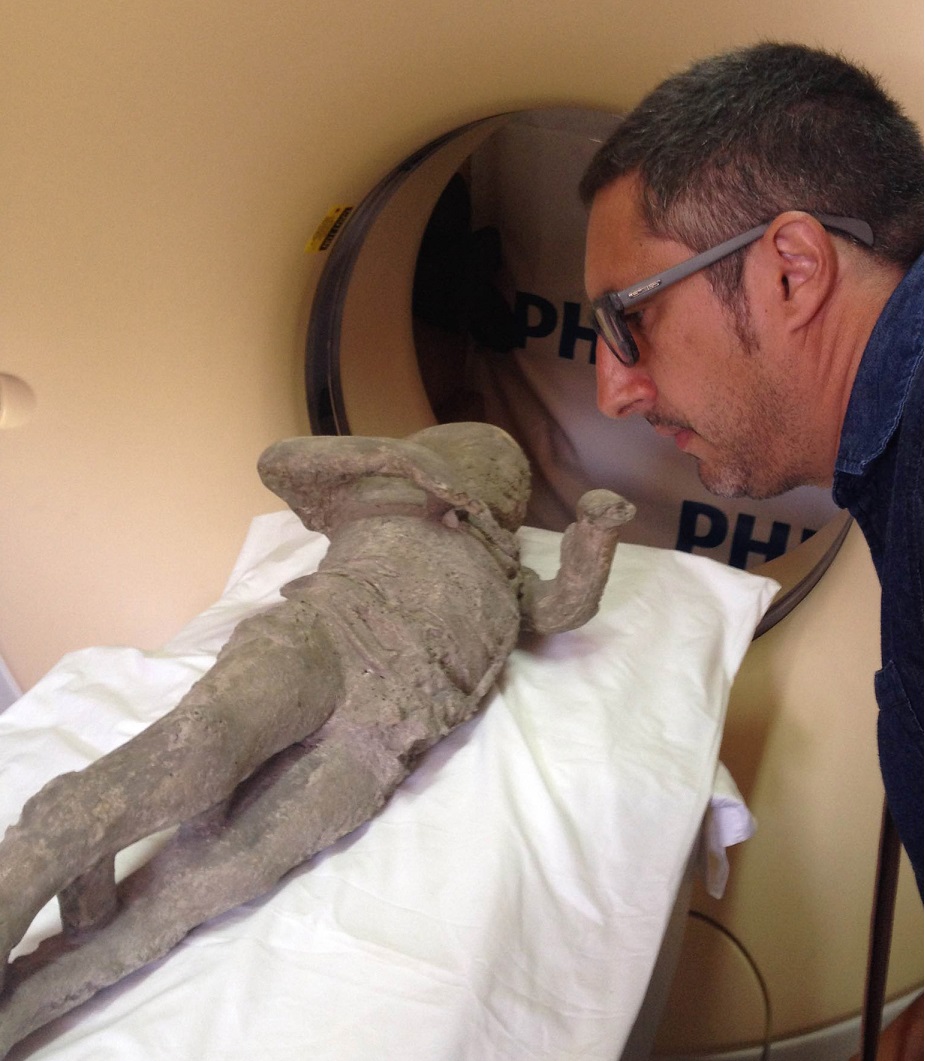
But Pliny the Younger's written account was badly copied during the Middle Ages, and the month of the eruption was disputed until recent scholarship confirmed that Pliny — who was by that time an accomplished Roman magistrate — had recorded the August date, Foss said.
You may like-
'They had not been seen ever before': Romans made liquid gypsum paste and smeared it over the dead before burial, leaving fingerprints behind, new research finds
-
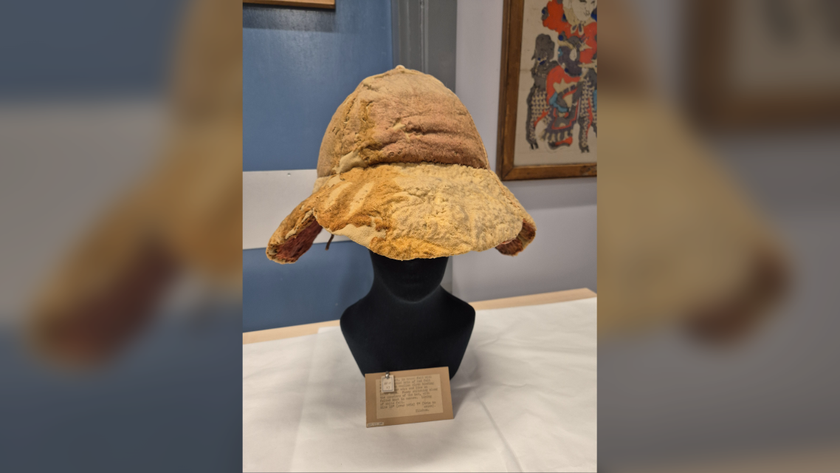 Roman sun hat: A 'very rare' 1,600-year-old brimmed cap that may have protected a Roman soldier from Egyptian sandstorms
-
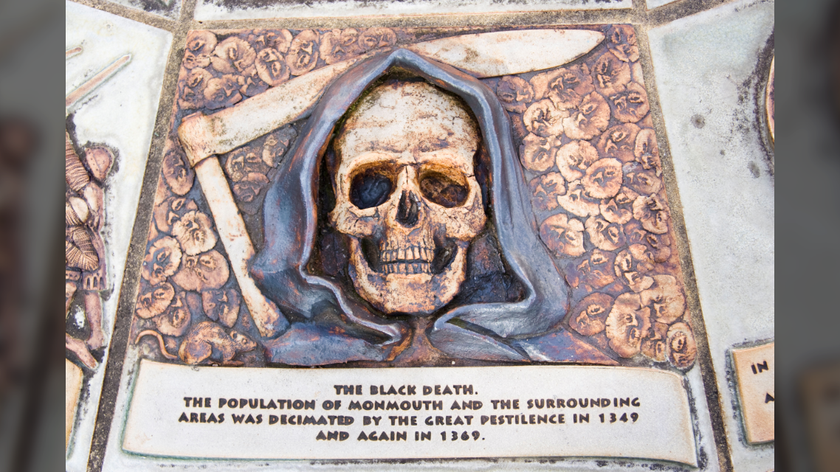 Volcanic eruption triggered 'butterfly effect' that led to the Black Death, researchers find
Proponents of a later month cite the evidence of autumnal fruits at Pompeii, an inscription scrawled in charcoal on a wall there, and what may be a slightly later coin found in the ruins. However, none of it is conclusive.
Tulane University historian and archaeologist Allison Emmerson explained the dispute to Live Science in an email. "The manuscript tradition is quite secure — the only date provided by the text is August 24," she said. "Whether that reflects the date of the actual event, however, is still subject to controversy."
Warmth or protection
Related Stories—'It's really an extraordinary story,' historian Steven Tuck says of the Romans he tracked who survived the AD 79 eruption of Mount Vesuvius
—Pompeii victims aren't who we thought they were, DNA analysis reveals
—4,000-year-old footprints near Pompeii show people fleeing Mount Vesuvius eruption thousands of years before the famous one
The latest study does not make a pronouncement about the date of the Vesuvius eruption. It says only that the clothing worn by the Pompeii victims might be a sign that the day of the eruption was unseasonably cold for August — but, then again, it might not have been, or the wool might have been for protection.
The researchers also determined that people who died both inside and outside the houses at Pompeii were wearing the same types of clothes, according to the statement.
Foss said the research by Alapont and his team was important because it established what people at Pompeii were wearing when they were killed, but it did not add to any issue about the weather. "I just don't think it makes an argument either way," he concluded.
Pompeii quiz: How much do you know about the Roman town destroyed by Mount Vesuvius?
Tom MetcalfeSocial Links NavigationLive Science ContributorTom Metcalfe is a freelance journalist and regular Live Science contributor who is based in London in the United Kingdom. Tom writes mainly about science, space, archaeology, the Earth and the oceans. He has also written for the BBC, NBC News, National Geographic, Scientific American, Air & Space, and many others.
Show More CommentsYou must confirm your public display name before commenting
Please logout and then login again, you will then be prompted to enter your display name.
Logout Read more 'They had not been seen ever before': Romans made liquid gypsum paste and smeared it over the dead before burial, leaving fingerprints behind, new research finds
 Roman sun hat: A 'very rare' 1,600-year-old brimmed cap that may have protected a Roman soldier from Egyptian sandstorms
 Volcanic eruption triggered 'butterfly effect' that led to the Black Death, researchers find
 Memento Mori: A mosaic that predates Mount Vesuvius' eruption in Pompeii and reminds us that we will all die
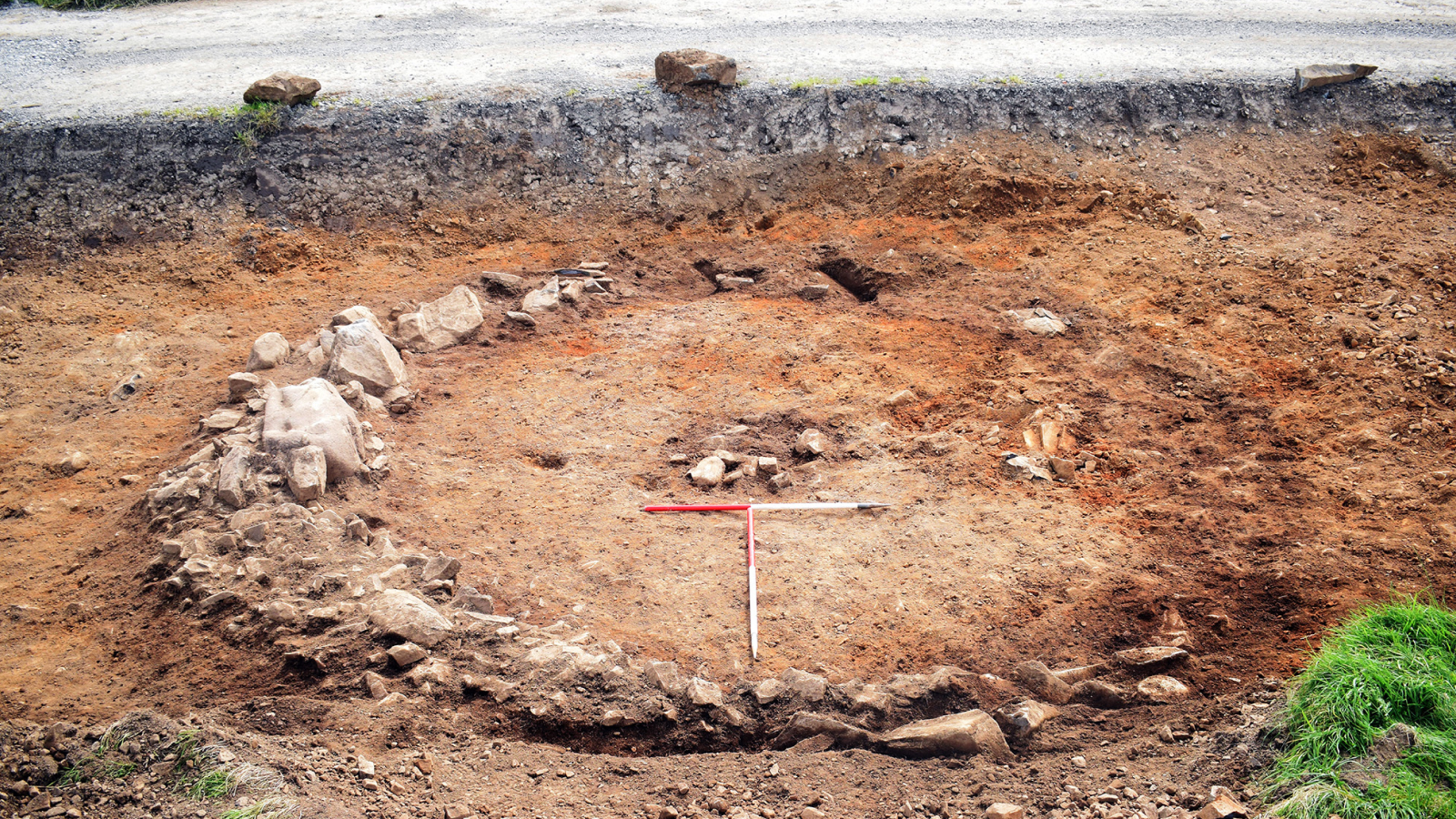 3,300-year-old cremations found in Scotland suggest the people died in a mysterious catastrophic event
 Scientists have digitally removed the 'death masks' from four Colombian mummies, revealing their faces for the first time
Latest in Romans
Scientists have digitally removed the 'death masks' from four Colombian mummies, revealing their faces for the first time
Latest in Romans
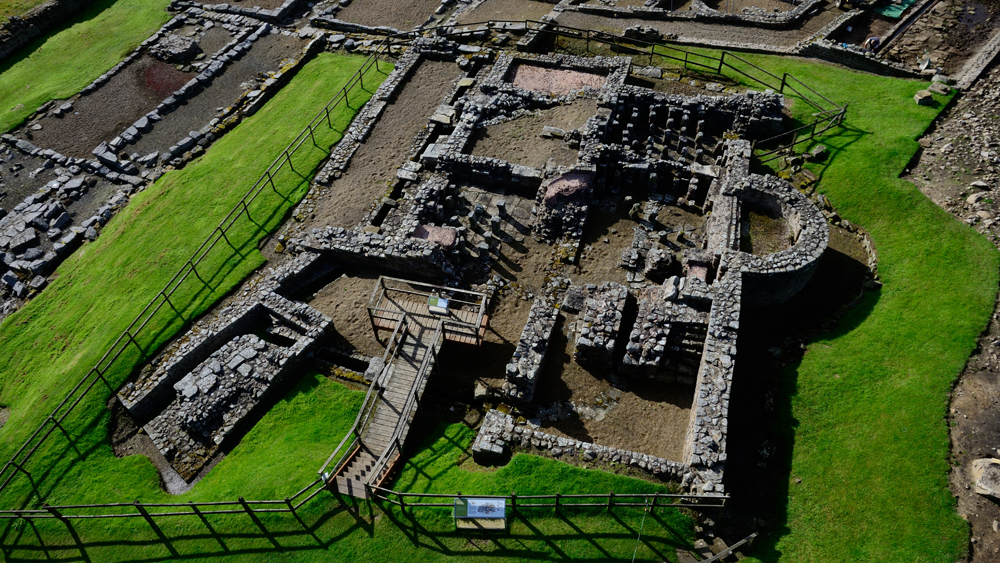 Diarrhea and stomachaches plagued Roman soldiers stationed at Hadrian's Wall, discovery of microscopic parasites finds
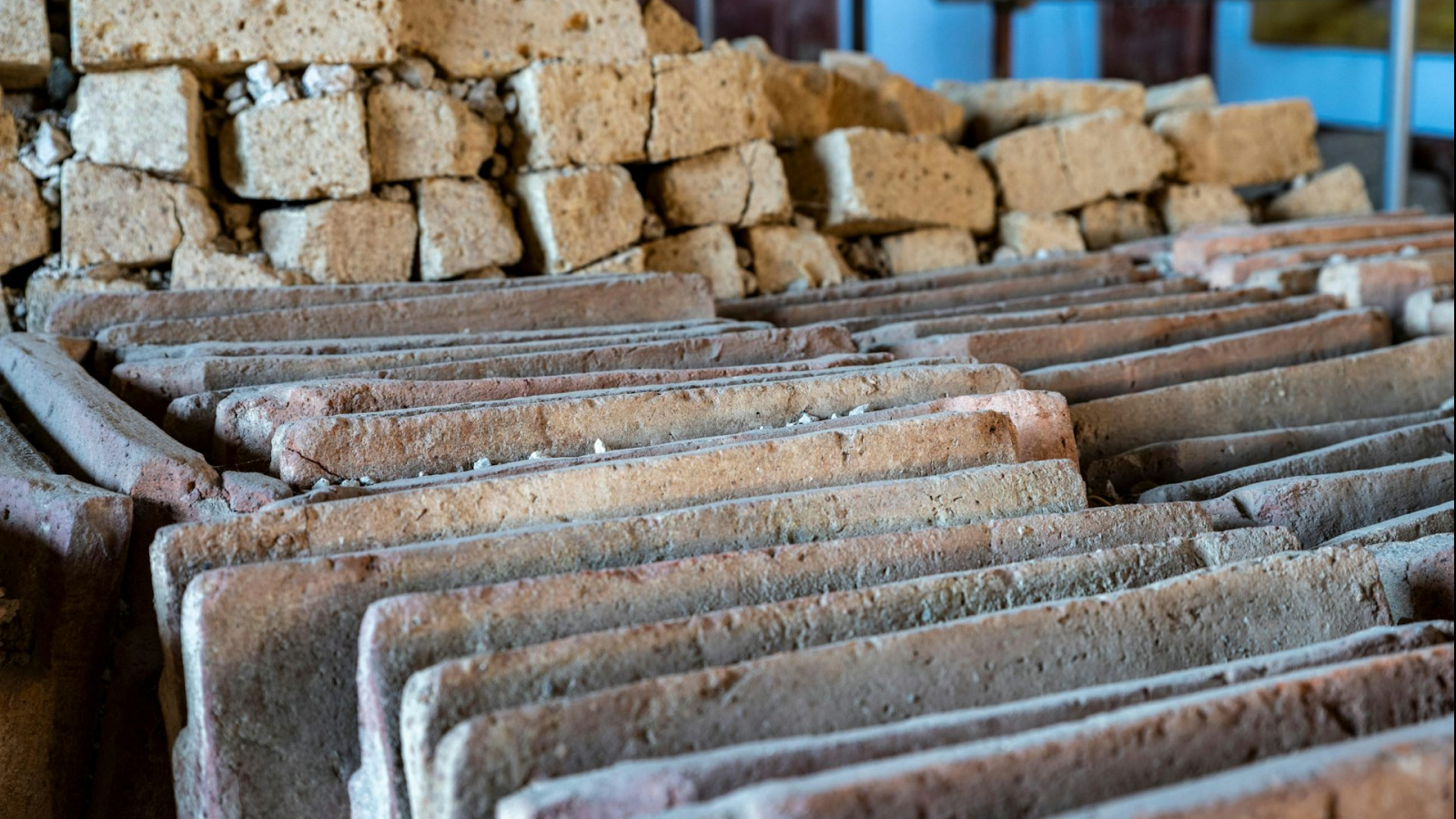 'This has re-written our understanding of Roman concrete manufacture': Abandoned Pompeii worksite reveal how self-healing concrete was made
'They had not been seen ever before': Romans made liquid gypsum paste and smeared it over the dead before burial, leaving fingerprints behind, new research finds
'This has re-written our understanding of Roman concrete manufacture': Abandoned Pompeii worksite reveal how self-healing concrete was made
'They had not been seen ever before': Romans made liquid gypsum paste and smeared it over the dead before burial, leaving fingerprints behind, new research finds
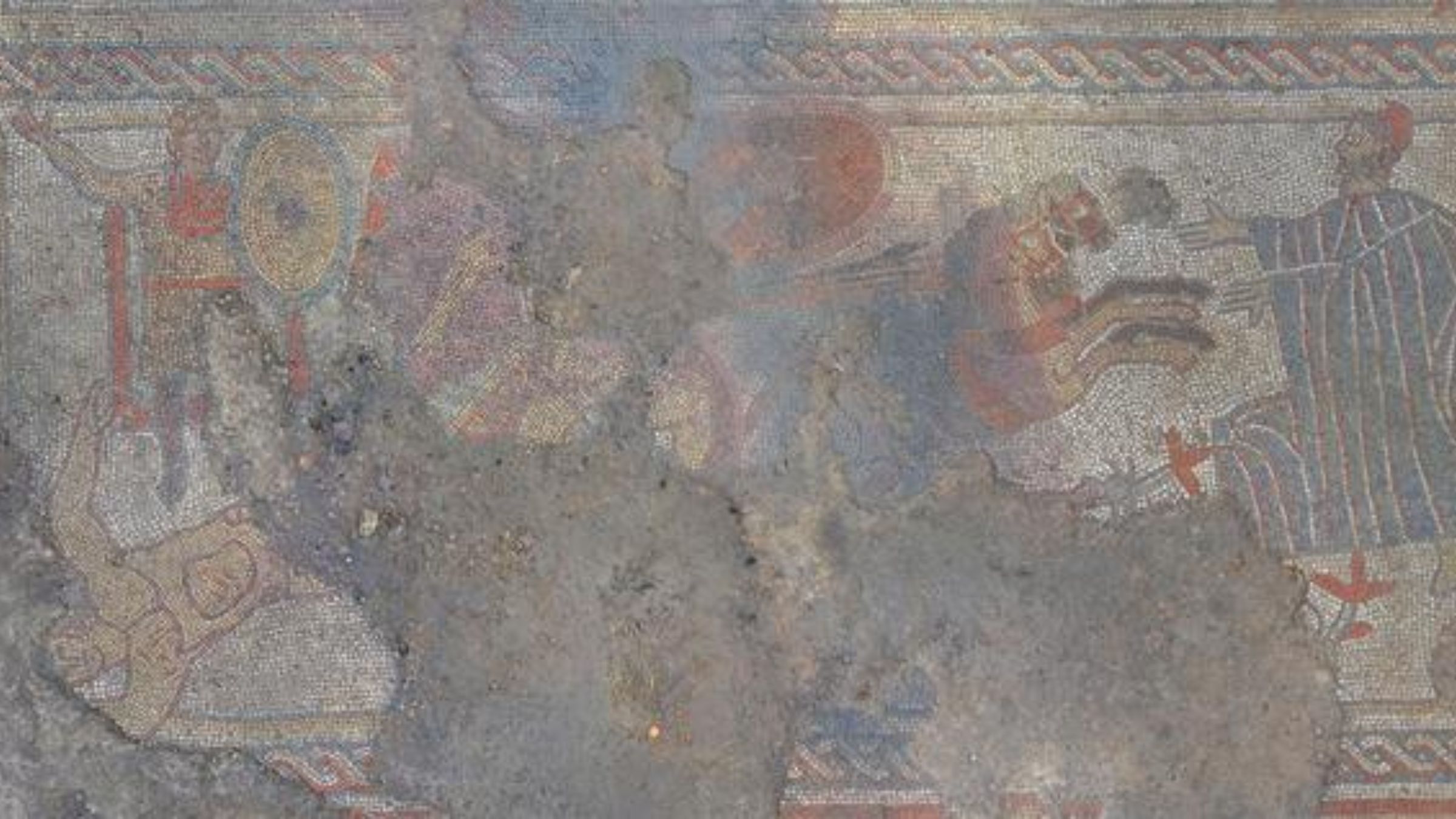 Stunningly preserved Roman-era mosaic in UK depicts Trojan War stories — but not the ones told by Homer
 1,800-year-old 'piggy banks' full of Roman-era coins unearthed in French village
 What if Antony and Cleopatra had defeated Octavian?
Latest in News
What if Antony and Cleopatra had defeated Octavian?
Latest in News
 18,000 years ago, ice age humans built dwellings out of mammoth bones in Ukraine
 Cats meow more at men to get their attention, study suggests
 2,300-year-old Celtic gold coins found in Swiss bog
 Tiny implant 'speaks' to the brain with LED light
3,300-year-old cremations found in Scotland suggest the people died in a mysterious catastrophic event
Tiny implant 'speaks' to the brain with LED light
3,300-year-old cremations found in Scotland suggest the people died in a mysterious catastrophic event
 'A huge surprise': 1,500-year-old church found next to Zoroastrianism place of worship in Iraq
LATEST ARTICLES
'A huge surprise': 1,500-year-old church found next to Zoroastrianism place of worship in Iraq
LATEST ARTICLES- 118,000 years ago, ice age humans built dwellings out of mammoth bones in Ukraine
- 2Tiny implant 'speaks' to the brain with LED light
- 3Cats meow more at men to get their attention, study suggests
- 4See the 100,000th photo of Mars taken by NASA's groundbreaking Red Planet orbiter
- 5'A huge surprise': 1,500-year-old church found next to Zoroastrianism place of worship in Iraq