- Space
- Astronomy
- Planets
- Jupiter
A new study reveals the likely origin of a mysterious spider-like pattern first spotted on Jupiter's moon Europa in 1998. The finding could have implications for a NASA spacecraft en route to the frozen world.
When you purchase through links on our site, we may earn an affiliate commission. Here’s how it works.
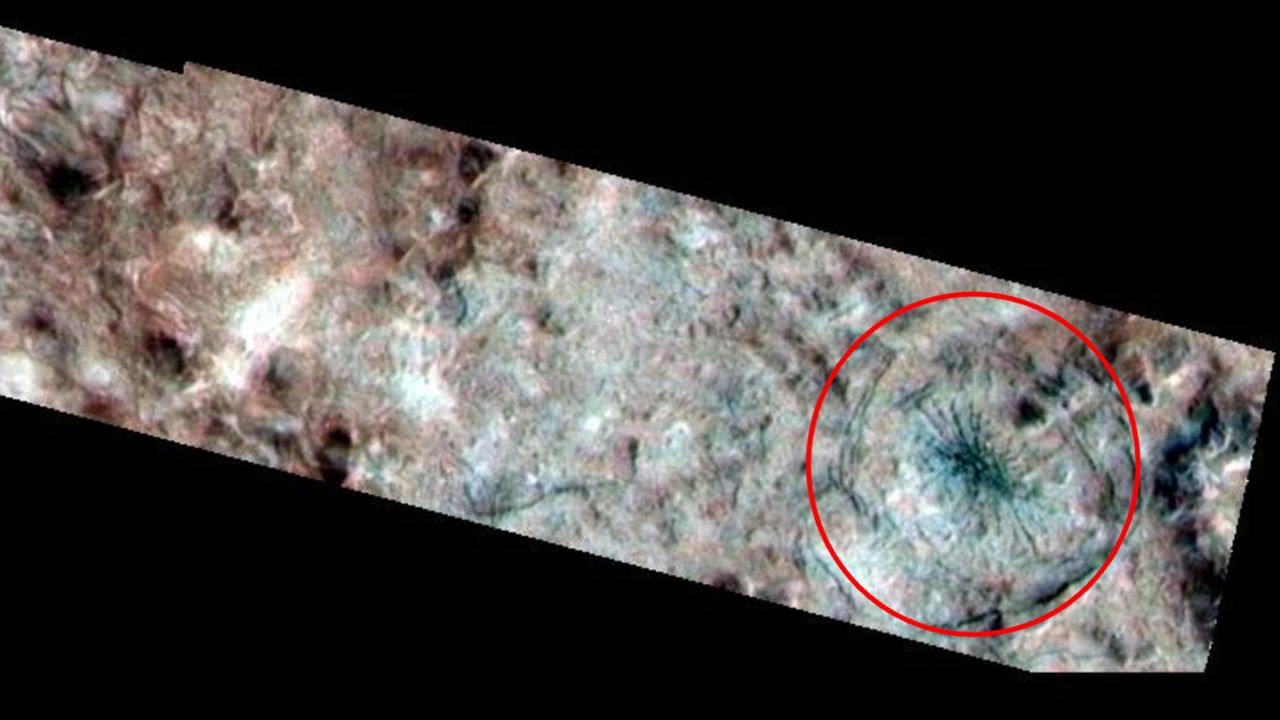
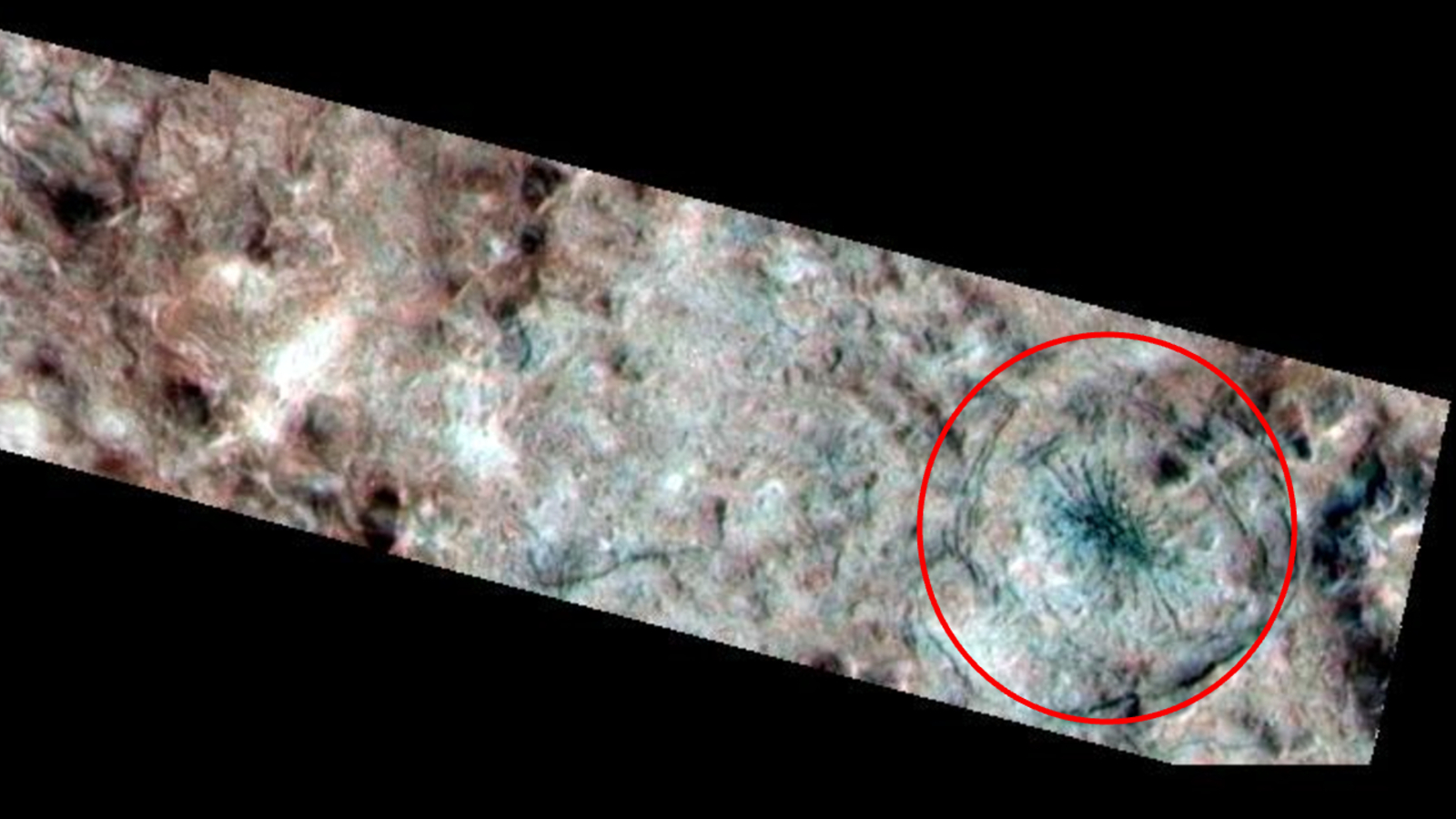 NASA's Galileo spacecraft first photographed a bizarre spider-like structure lurking within a large crater on Europa during a close flyby of the moon on March 29, 1998.
(Image credit: NASA/JPL/University of Arizona)
Share
Share by:
NASA's Galileo spacecraft first photographed a bizarre spider-like structure lurking within a large crater on Europa during a close flyby of the moon on March 29, 1998.
(Image credit: NASA/JPL/University of Arizona)
Share
Share by:
- Copy link
- X
A mysterious, spider-like structure lurking on Jupiter's fourth-largest moon, Europa, may finally have a proper explanation nearly 30 years after it was discovered. The arachnid imposter has also been given a demonic new name.
In March 1998, NASA's Galileo spacecraft — which studied Jupiter and its major moons between 1995 and 2003 — made a close flyby of Europa, a frozen ocean moon often considered one of the most likely places for extraterrestrial life to exist in the solar system. During this flyby, the probe mapped out a roughly 13.7-mile-wide (22 kilometers) impact structure, dubbed Manannán Crater, on the moon's icy surface, and found something strange lurking within it.
You may like-
 James Webb telescope celebrates Halloween with eerie image of a dying sun — it's what our own might look like one day
-
 City-size 'cosmic butterfly' carved into Mars' surface contains traces of ancient water
-
 James Webb telescope uncovers a new mystery: A broiling 'hell planet' with an atmosphere that shouldn't exist
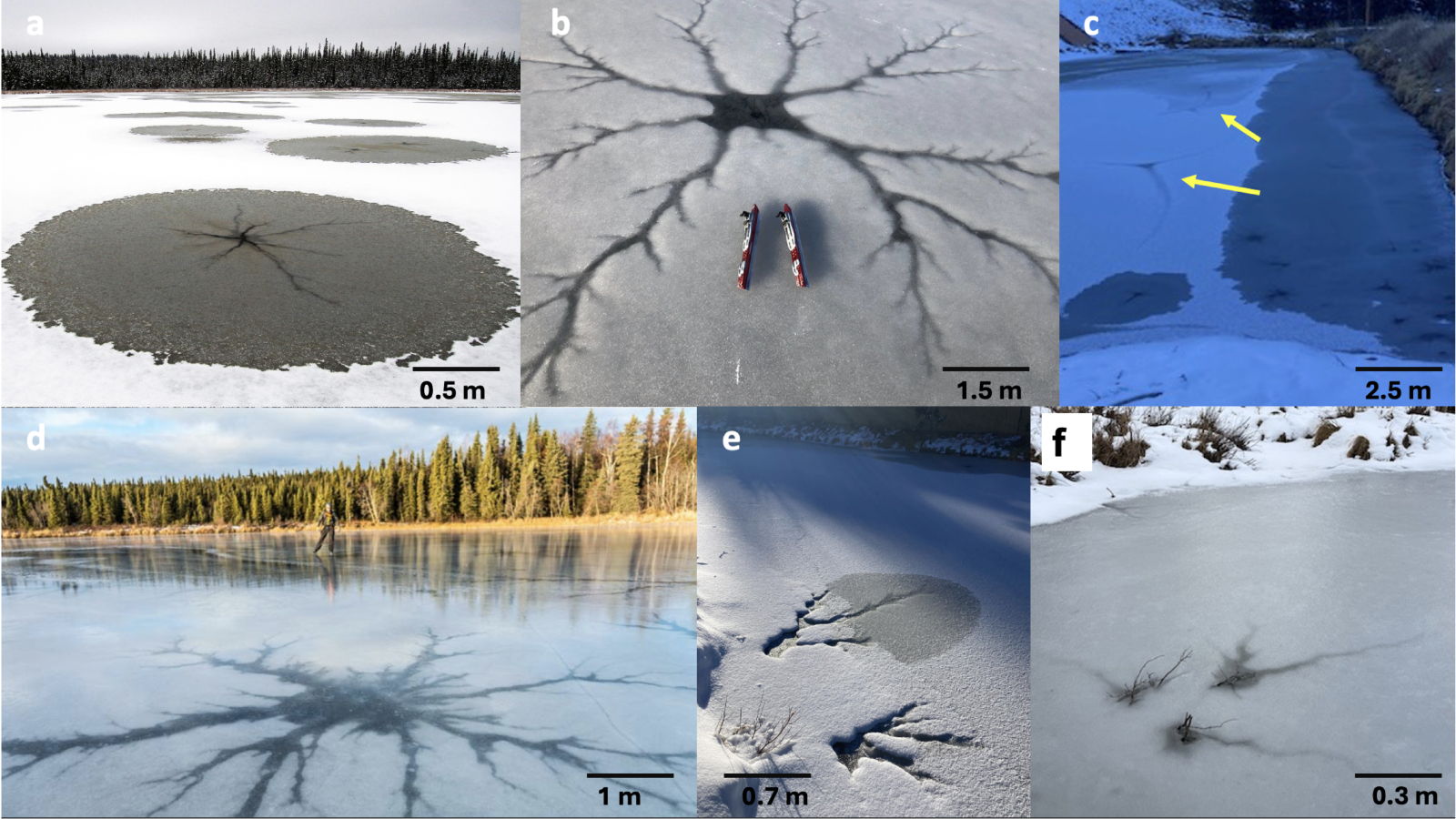
But in a new study, published Dec. 2 in The Planetary Science Journal, researchers proposed an alternative explanation: that the Jovian spider formed in a similar way to how dark dendritic patterns on Earth, known as "lake stars," typically do. These features form when snow falls on frozen lakes and water seeps up through tiny holes in the ice.
With this in mind, the researchers used a similar technique to partially recreate the Manannán Crater's mysterious shape in the lab. The study team also finally named Europa's arachnid-like asterisk Damhán Alla, meaning "spider" or "wall demon" in Irish. (Manannán is a Celtic god from Irish mythology, which partly inspired the new name.)
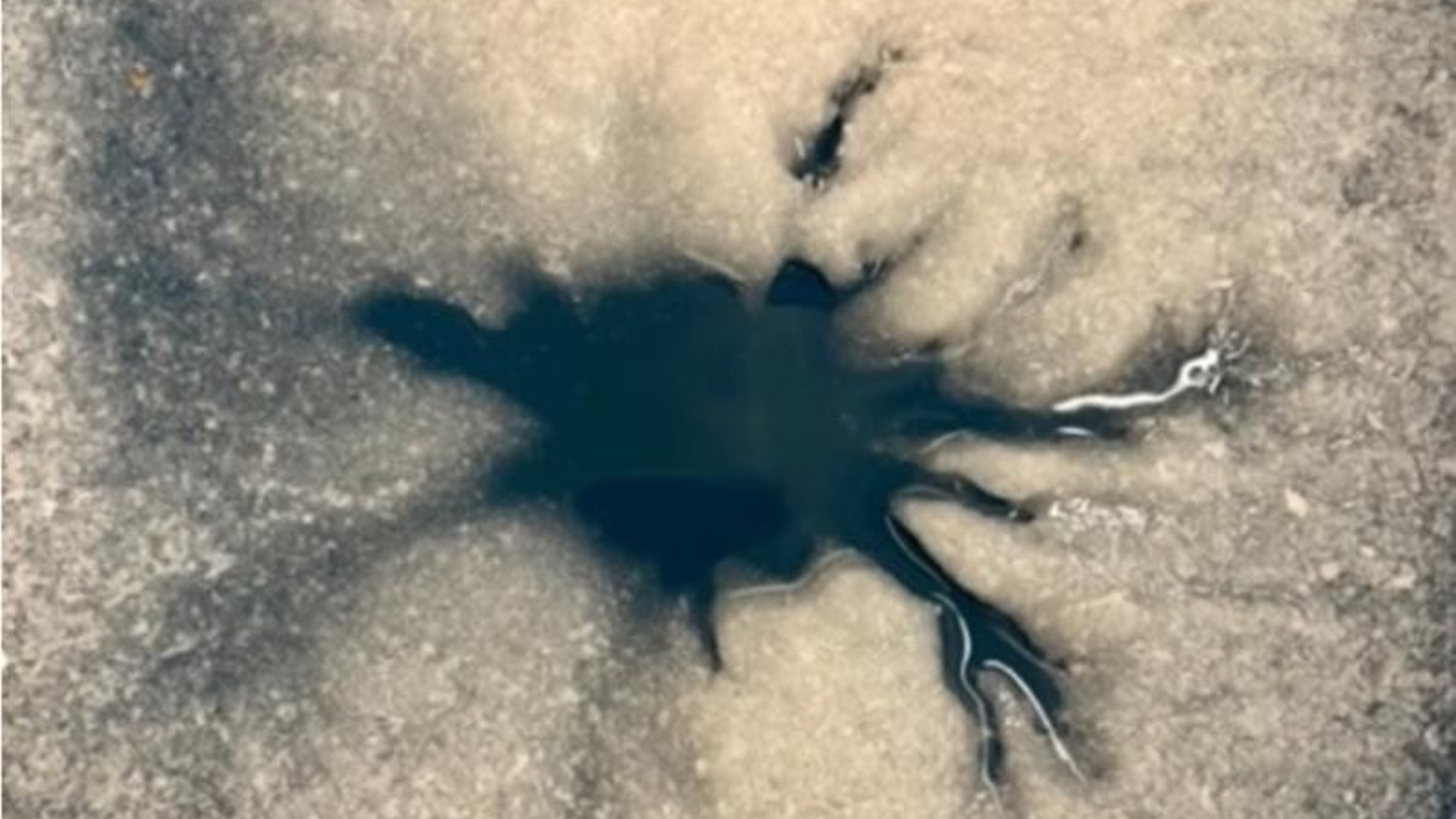
"Lake stars are really beautiful, and they are pretty common on snow or slush-covered frozen lakes and ponds," study lead-author Laura Mc Keown, a planetary scientist at the University of Central Florida, said in a statement. "It is wonderful to think that they may give us a glimpse into processes occurring on Europa and maybe even other icy ocean worlds in our solar system."
However, rather than water rising through tiny holes, as happens when lake stars form on Earth, Damhán Alla was likely birthed by an asteroid impact — which created a small crack in Europa's icy shell that enabled salty water to seep upward and paint the spider-like pattern on the surface. (This asteroid impact likely happened after the Manannán Crater was already formed.)
Sign up for the Live Science daily newsletter nowContact me with news and offers from other Future brandsReceive email from us on behalf of our trusted partners or sponsorsBy submitting your information you agree to the Terms & Conditions and Privacy Policy and are aged 16 or over.The researchers also noted similarities between Damhán Alla and the infamous "spiders on Mars," which are dusty deposits on the Martian surface that look like swarming spiders when viewed from above. These fake arachnids, known as araneiform terrain, form when submerged carbon dioxide ice sublimates, or turns directly into a gas. Mc Keown's team has previously recreated these features on Earth too.
The similarities in shape between Damhán Alla and the spiders on Mars are due to how "fluid flows through porous surfaces," Mc Keown said. In theory, similar spider features could also form on other frozen ocean worlds, such as Saturn's moon Enceladus, Jupiter's other moon Ganymede and the dwarf planet Ceres, which resides in the asteroid belt beyond Mars.
RELATED STORIES—Jupiter is shrinking and used to be twice as big, mind-boggling study reveals
—Asteroid 10 times bigger than the dinosaur-killing space rock smashed Jupiter's largest moon off its axis
—Powerful solar winds squish Jupiter's magnetic field 'like a giant squash ball'
Mc Keown is now setting up a new laboratory, which will focus on studying how these various spider-like features may form on different solar system moons. She hopes to be able to provide valuable insight that could help inform NASA's Europa Clipper mission, which launched in October 2024 and will arrive to extensively study Jupiter's watery moon in 2030.
"The significance of our research is really exciting," Mc Keown said. "Surface features like these can tell us a lot about what's happening beneath the ice. If we see more of them with Europa Clipper, they could point to local brine pools below the surface," she added.
And these pools could be a good place to start looking for signs of extraterrestrial life.
 Harry BakerSocial Links NavigationSenior Staff Writer
Harry is a U.K.-based senior staff writer at Live Science. He studied marine biology at the University of Exeter before training to become a journalist. He covers a wide range of topics including space exploration, planetary science, space weather, climate change, animal behavior and paleontology. His recent work on the solar maximum won "best space submission" at the 2024 Aerospace Media Awards and was shortlisted in the "top scoop" category at the NCTJ Awards for Excellence in 2023. He also writes Live Science's weekly Earth from space series.
Show More CommentsYou must confirm your public display name before commenting
Please logout and then login again, you will then be prompted to enter your display name.
Logout Read more James Webb telescope celebrates Halloween with eerie image of a dying sun — it's what our own might look like one day
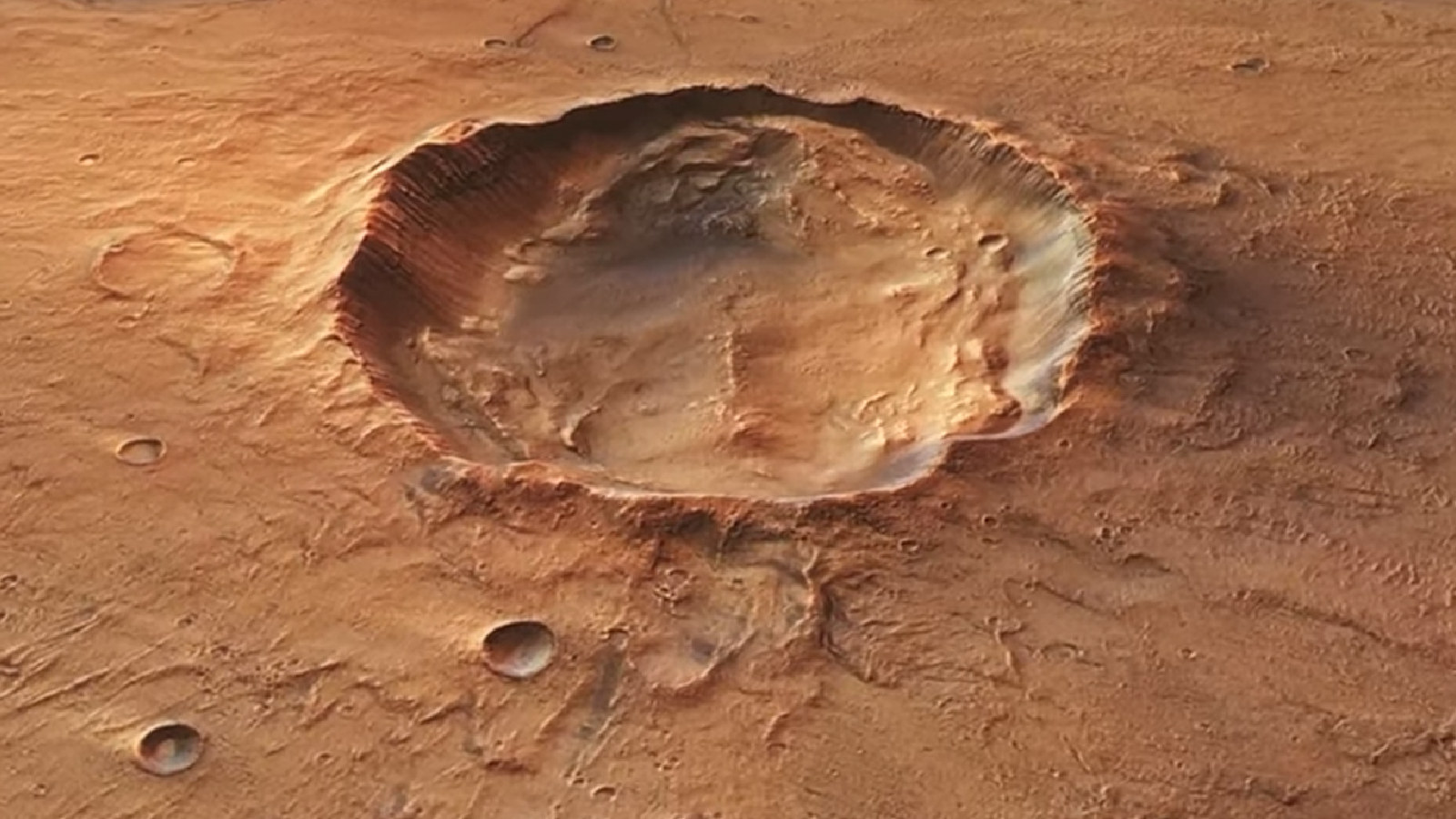 City-size 'cosmic butterfly' carved into Mars' surface contains traces of ancient water
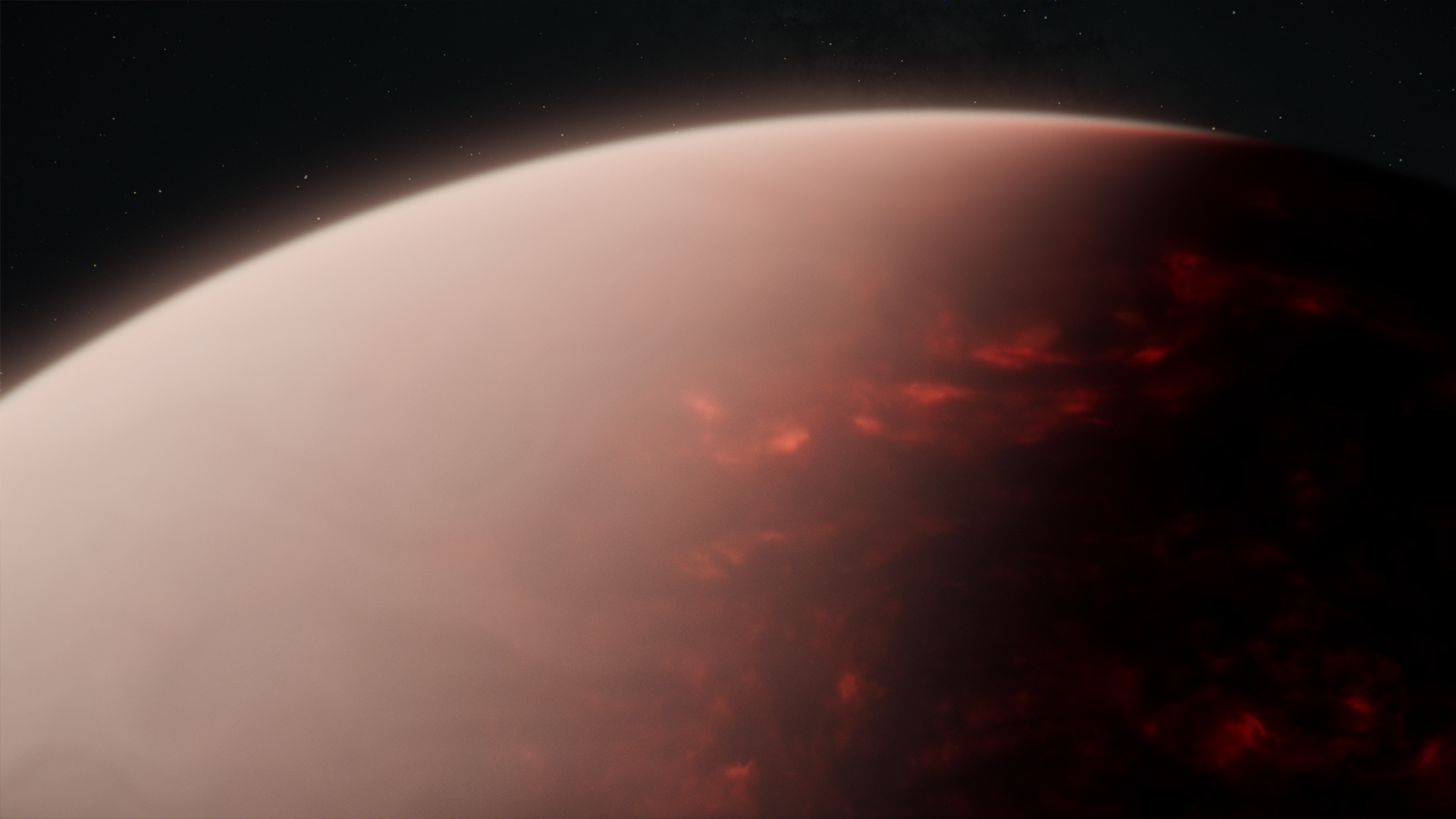 James Webb telescope uncovers a new mystery: A broiling 'hell planet' with an atmosphere that shouldn't exist
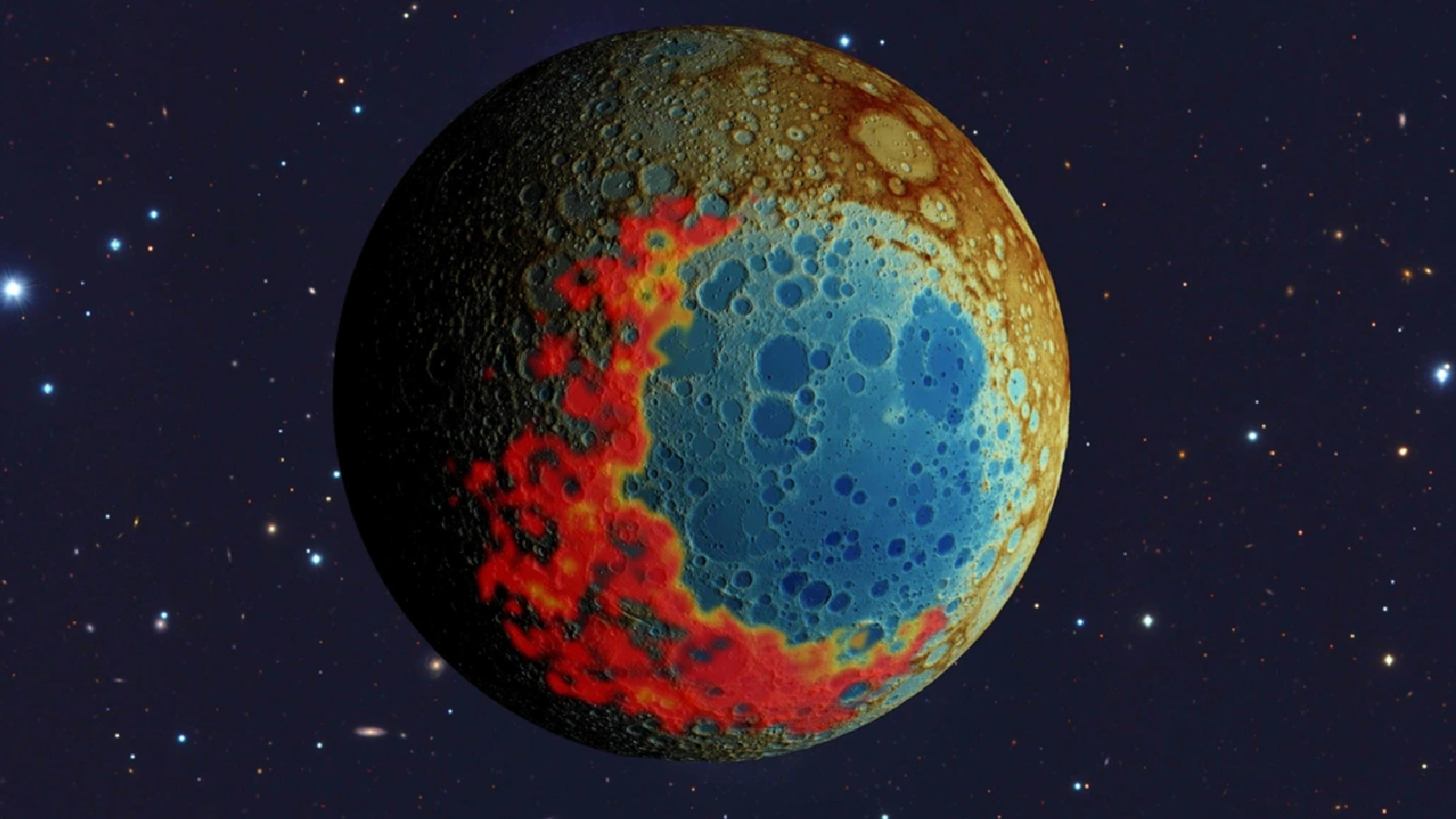 We were wrong about how the moon's largest and oldest crater formed — and that's great news for NASA's next lunar landing
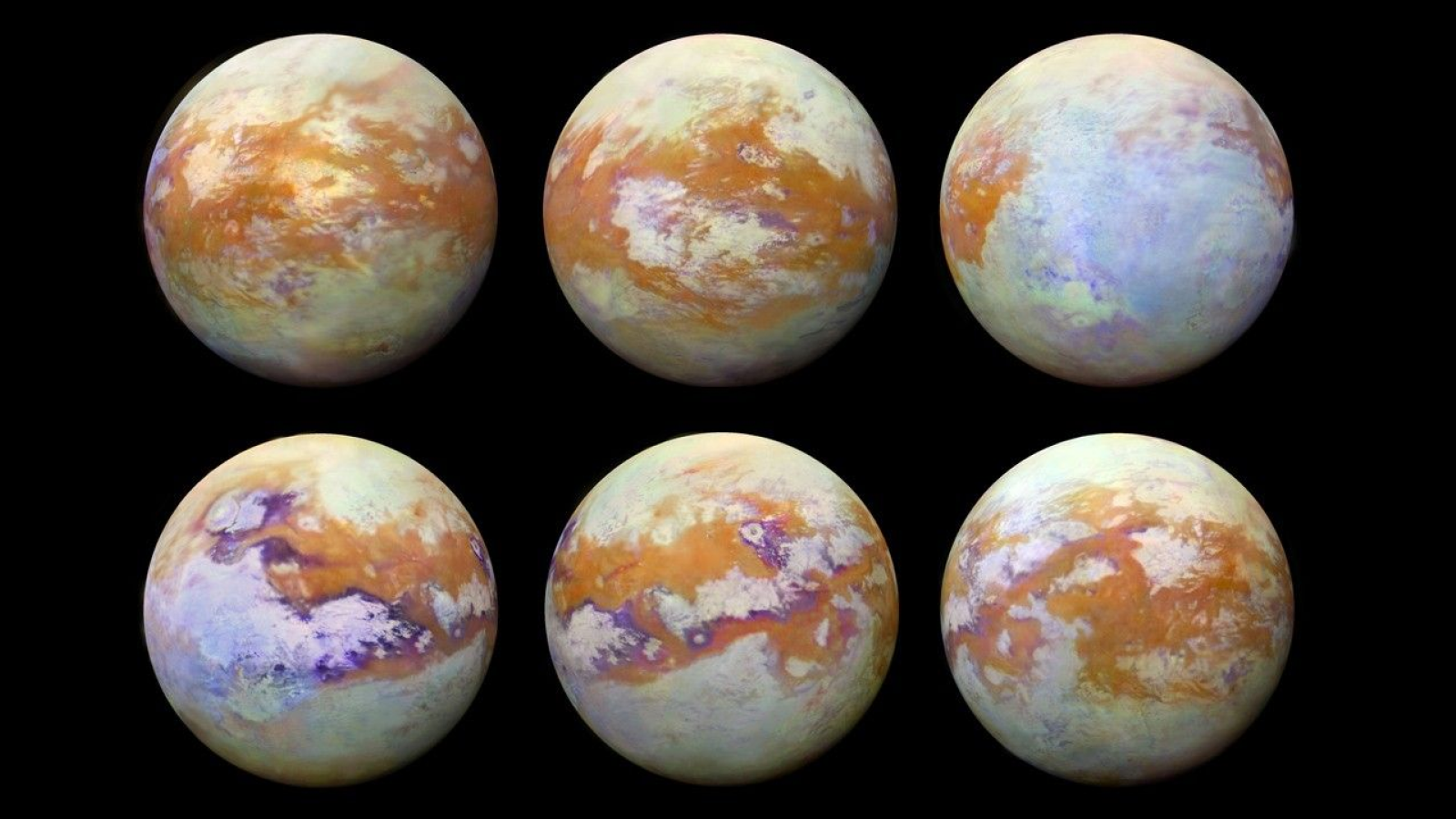 Saturn's largest moon may be riddled with 'slushy tunnels' that contain alien life, new study hints
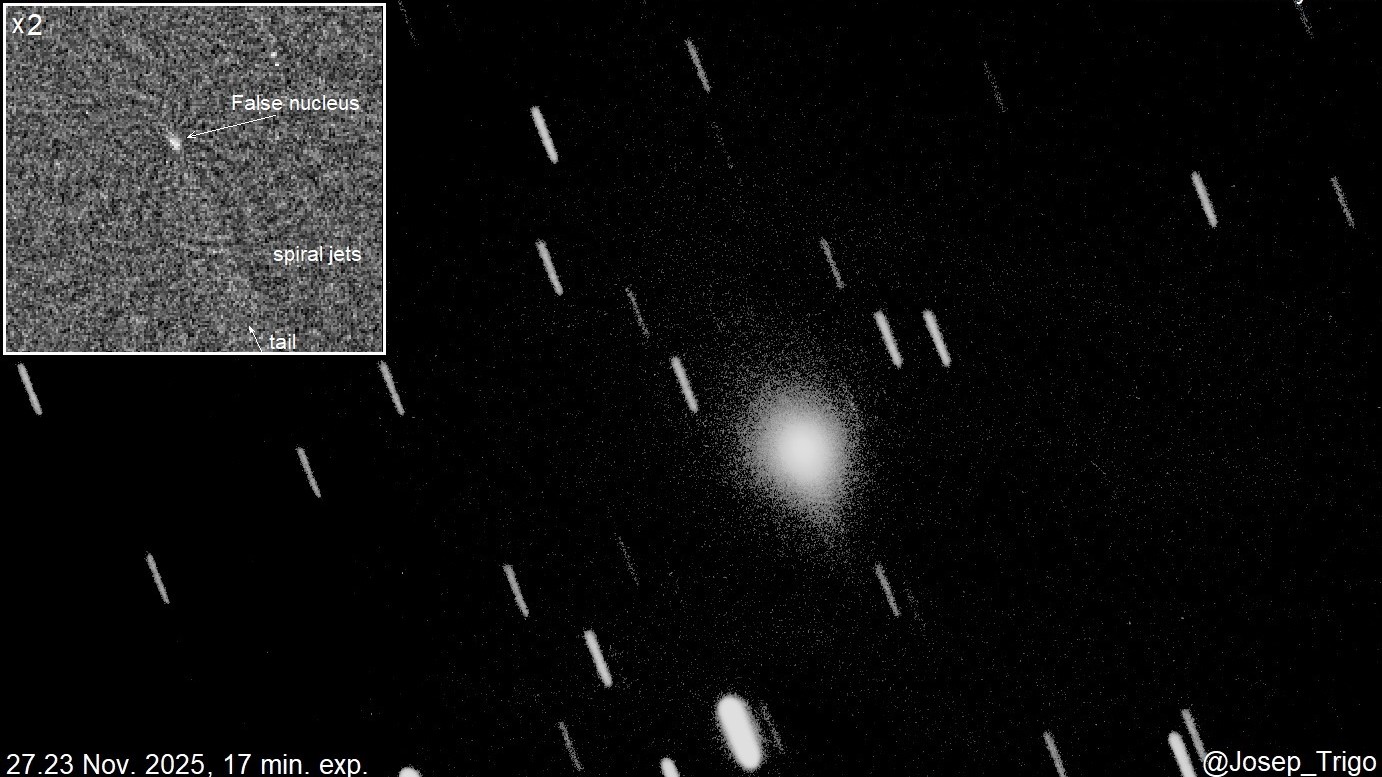 Interstellar comet 3I/ATLAS is erupting in 'ice volcanoes', new images suggest
Latest in Jupiter
Interstellar comet 3I/ATLAS is erupting in 'ice volcanoes', new images suggest
Latest in Jupiter
 Jupiter news, features and articles
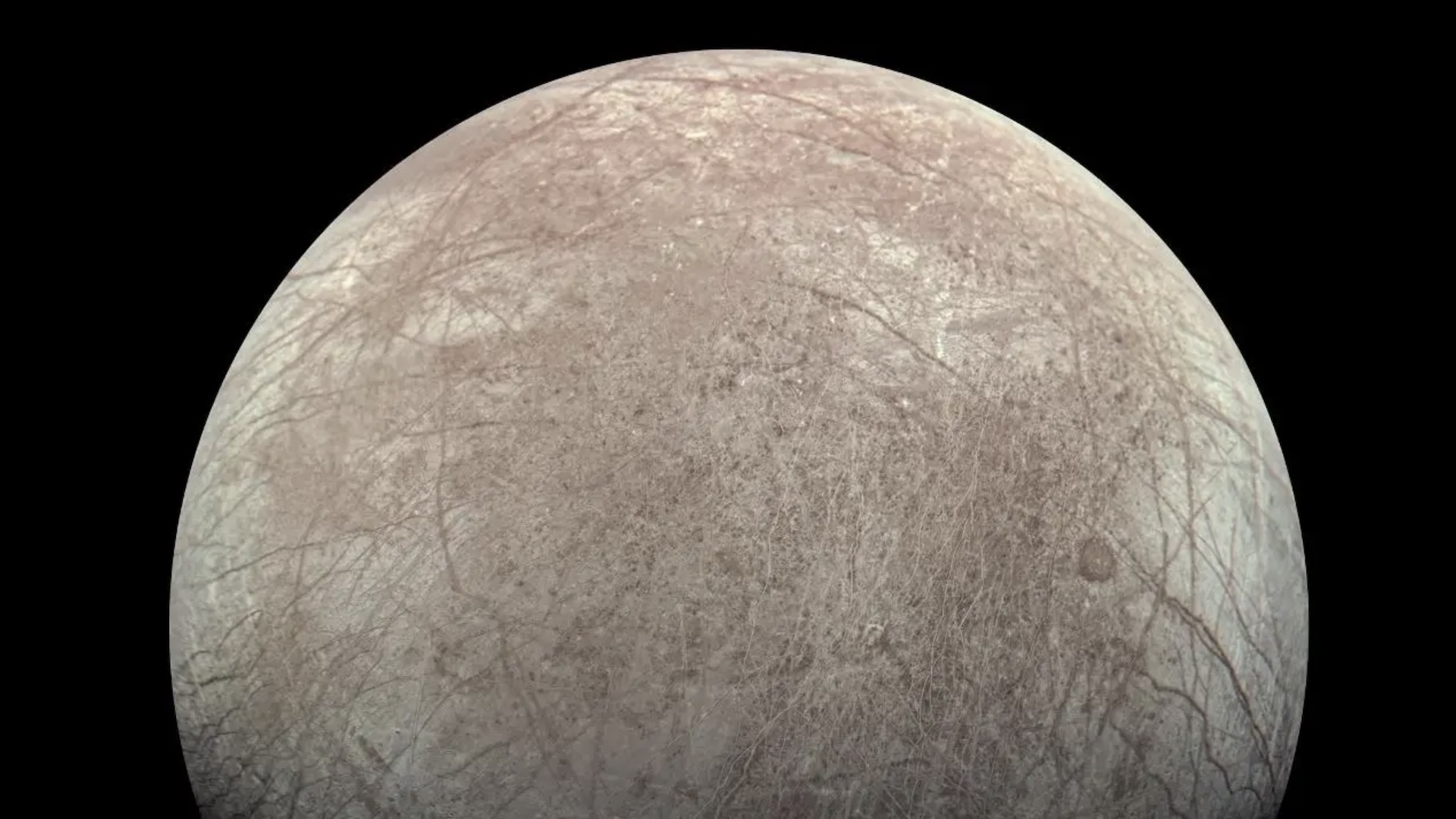 James Webb telescope spots weird changes on Jupiter's icy moon Europa
 Jupiter is shrinking and used to be twice as big, mind-boggling study reveals
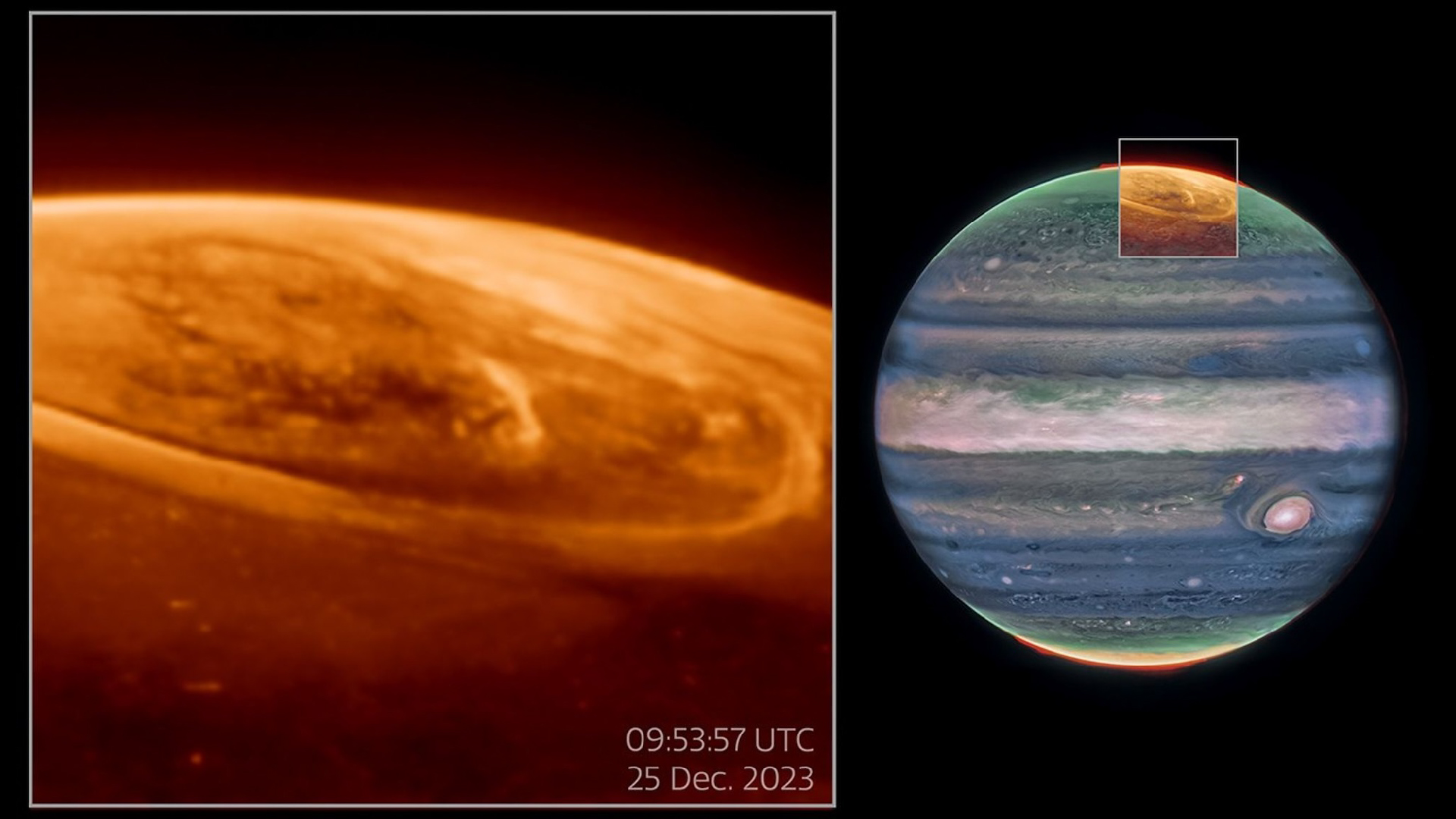 James Webb telescope reveals 'impossible' auroras on Jupiter
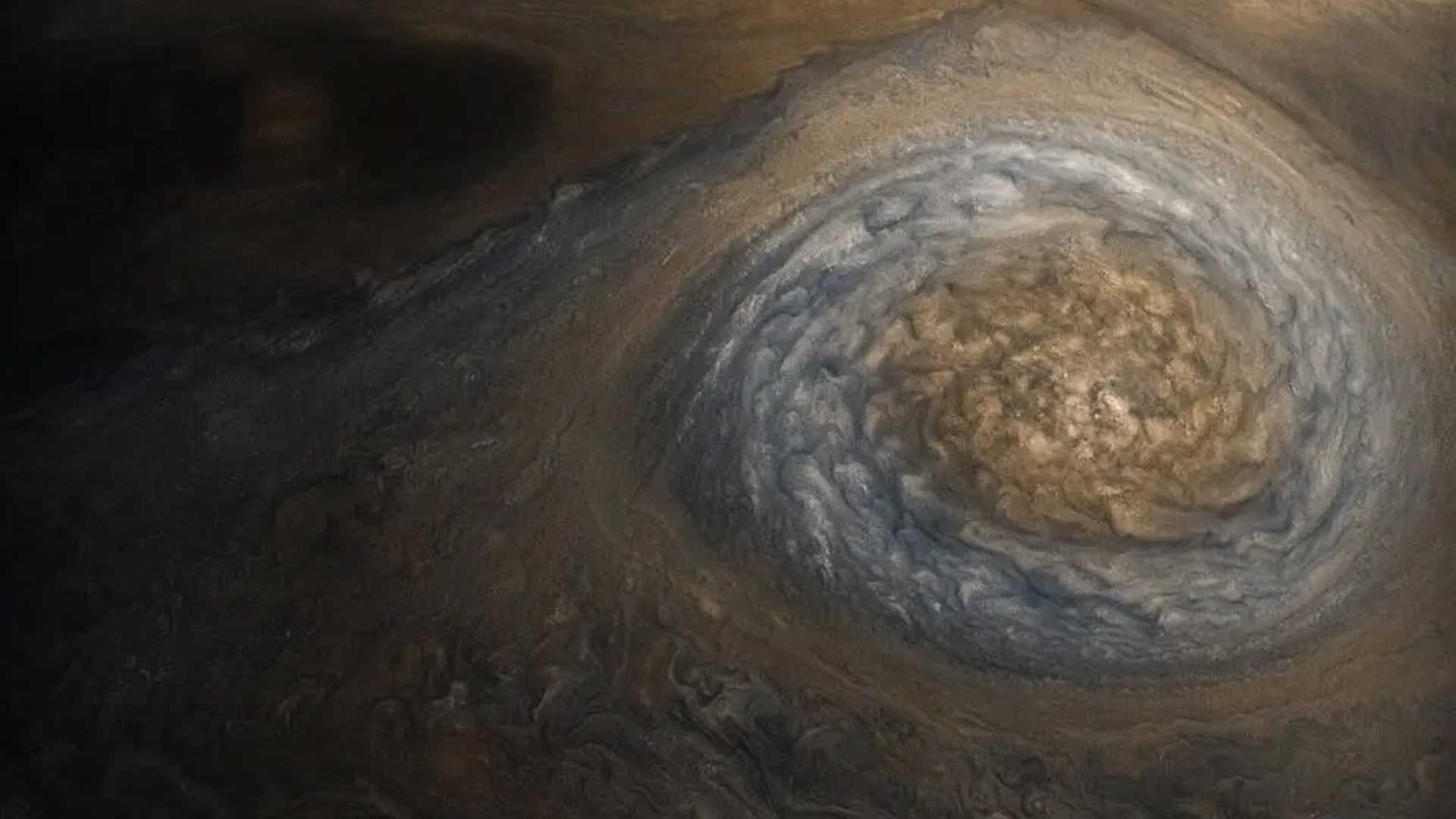 'I won't be surprised if this is happening throughout the universe': Mushball storms on Jupiter offer clues to atmospheres of distant planets
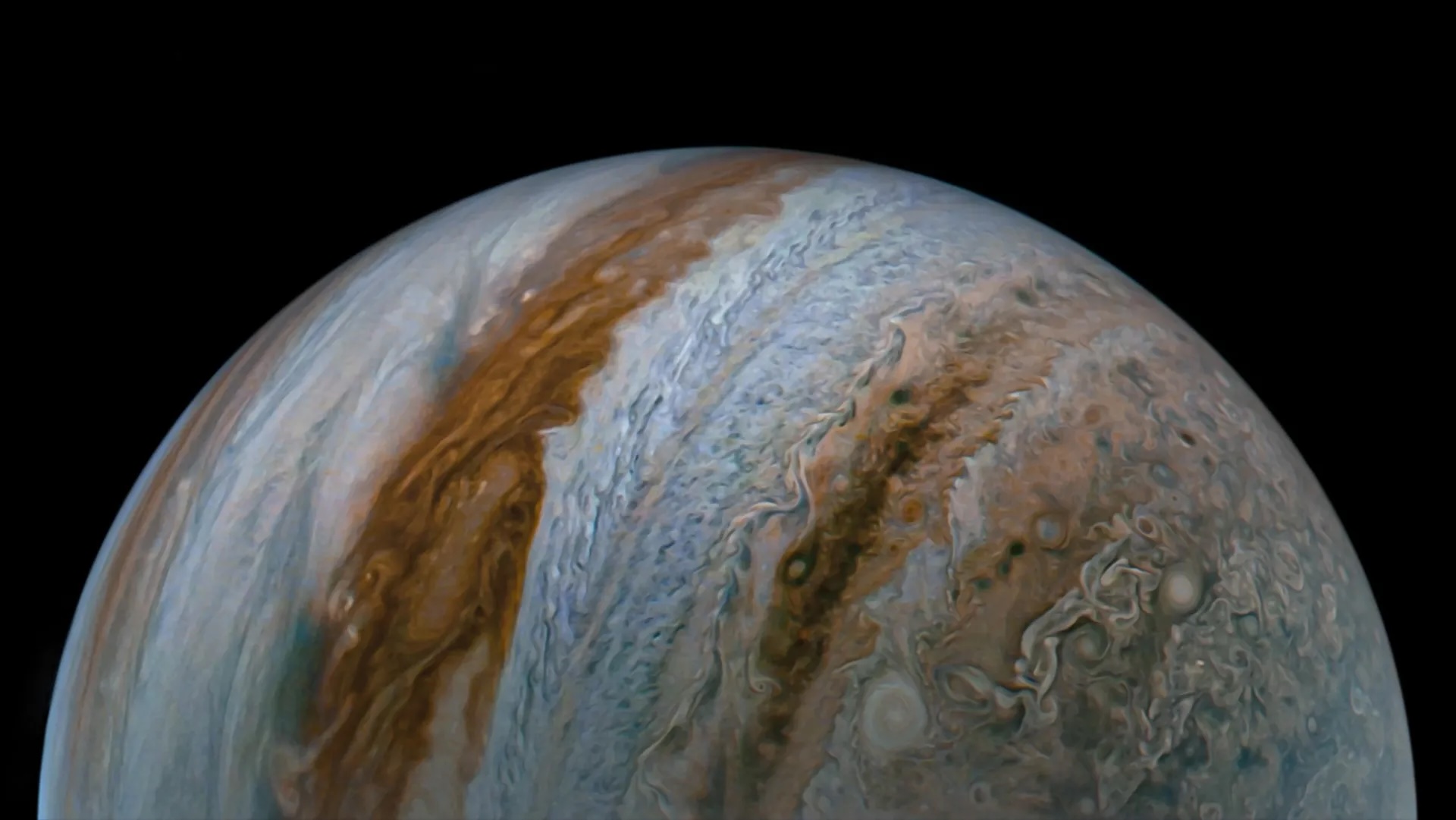 Powerful solar winds squish Jupiter's magnetic field 'like a giant squash ball'
Latest in News
Powerful solar winds squish Jupiter's magnetic field 'like a giant squash ball'
Latest in News
 Scientists build 'most accurate' quantum computing chip ever thanks to new silicon-based computing architecture
 New EV motor invention could cut 1,000 pounds from future vehicles, making them much lighter while boosting their range
 Japan laser weapon trial, comet 3I/ATLAS bids farewell, and AI solves 'impossible' math problems
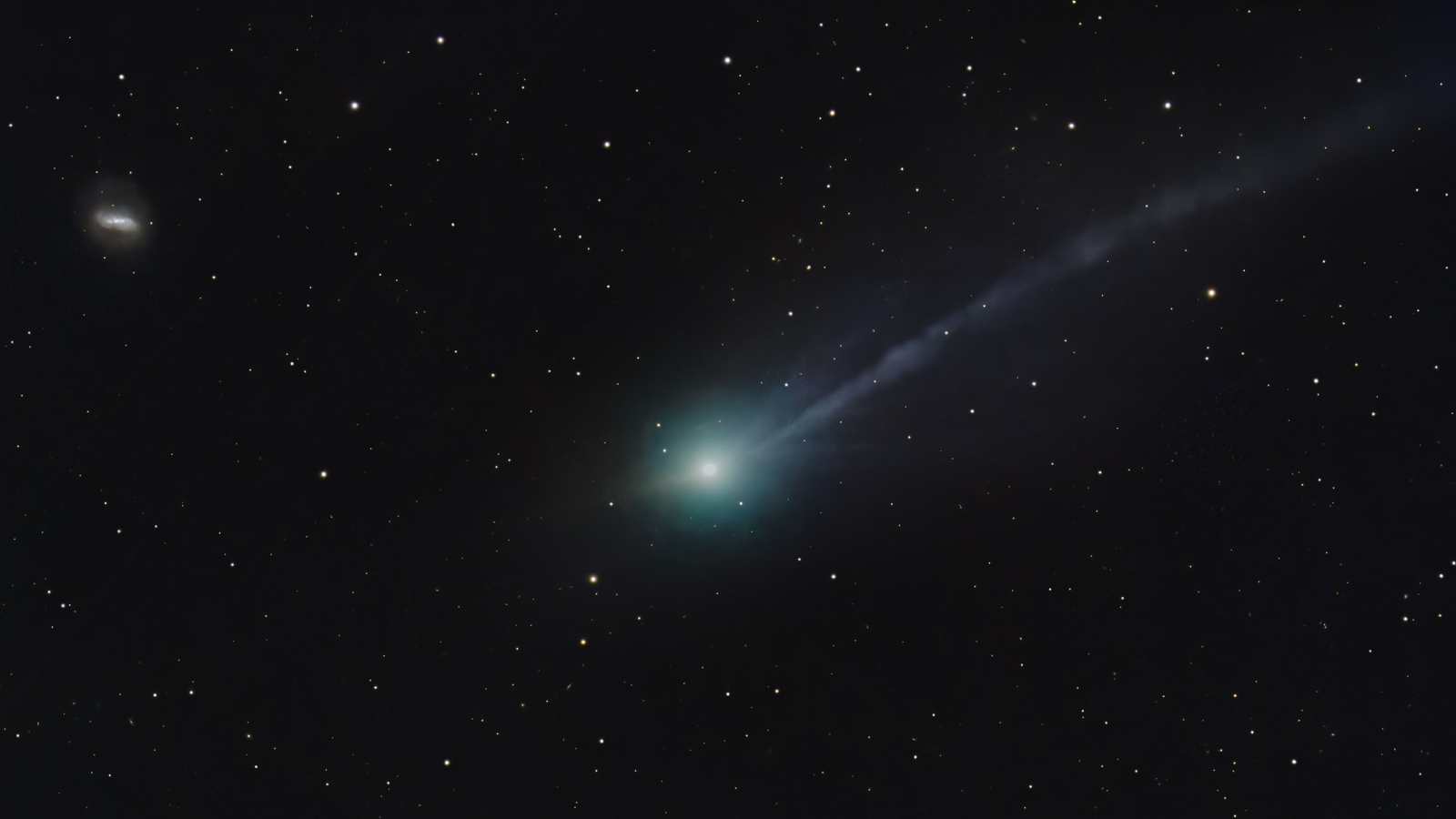 Interstellar comet 3I/ATLAS makes closest pass of Earth. Where's it heading next?
 'Unprecedented' protoplanet collision spotted in 'Eye of Sauron' star system just 25 light-years from Earth
 Comet 3I/ATLAS reaches its closest point to Earth tonight: How to see it
LATEST ARTICLES
Comet 3I/ATLAS reaches its closest point to Earth tonight: How to see it
LATEST ARTICLES 1Scientists claim 'Lucy' may not be our direct ancestor after all, stoking fierce debate
- 2New EV motor invention could cut 1,000 pounds from future vehicles, making them much lighter while boosting their range
- 3Reliquary of the Holy Crib: Remains of Jesus' manger from Bethlehem
- 4The self-gifter's Christmas: Treat yourself to gear you'll actually want this Christmas
- 5Glittering new James Webb telescope image shows an 'intricate web of chaos' — Space photo of the week