- Space
Your guide to the best sights the night sky has to offer from Dec. 20, 2025, to Jan. 4, 2026 — and the gear you'll need to see them.
When you purchase through links on our site, we may earn an affiliate commission. Here’s how it works.
 (Image credit: Buena Vista Images via Getty Images)
Jump to:
(Image credit: Buena Vista Images via Getty Images)
Jump to:
- 1. Jupiter shines as the ‘Christmas Star’
- 2. Ursids meteor shower
- 3. ‘Earthshine’ on a crescent moon
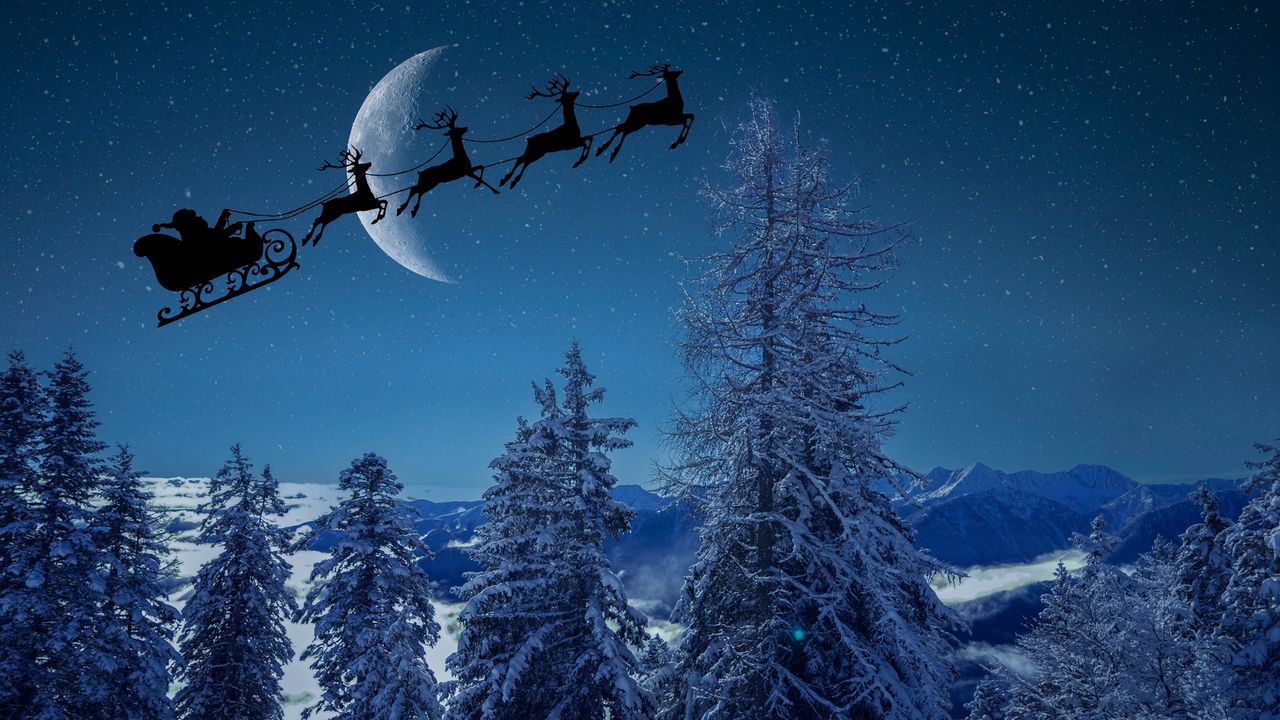
- 4. ‘Santa’s sleigh’ on Christmas Eve
- 5. The Christmas Tree Cluster
- 6. Saturn and the moon in conjunction
- 7. Orion
- 8. The Pleiades and the moon
- 9. A full Wolf Supermoon rising
- 10. Quadrantids meteor shower
- Copy link
- X
There are few better sights in nature than December’s night sky. Bright stars like Betelgeuse, Capella, Aldebaran, Sirius and the stars of Orion’s Belt dominate the night sky after dark, but over the two weeks from Dec. 20, 2025 to Jan. 4, 2026, you can follow some unique astronomical events.
As seen from the Northern Hemisphere this year, a crescent moon will curl up in the western sky just before Christmas Day, before gliding past Saturn and the Pleiades. Meanwhile, Jupiter shines as a bright “Christmas Star” in the east right after dark.
Add two meteor showers and a full “Wolf Supermoon”, and ’tis the season to be outside looking up! Here’s how to follow the show night by night…
You may like-
 Ursid meteor shower 2025: When and where to see 'shooting stars' on the longest night of the year
-
 How to photograph a meteor shower — Next up: The Geminids
-
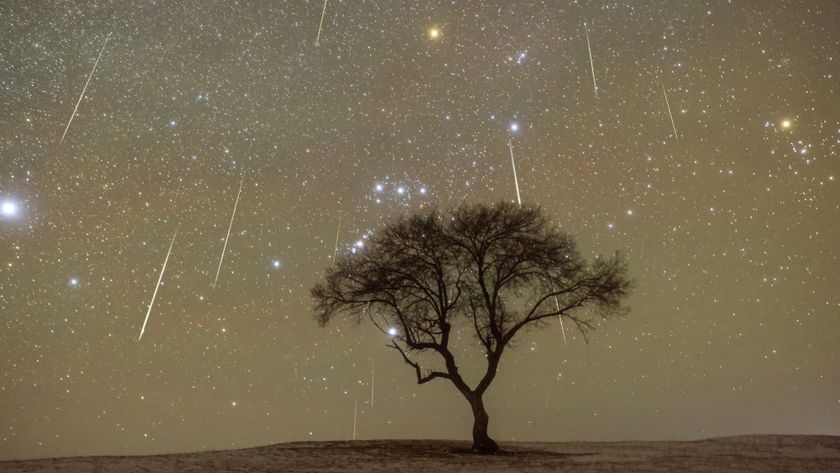 See up to 150 'shooting stars' per hour this weekend as the Geminid meteor shower reaches its stunning peak
1. Jupiter shines as the ‘Christmas Star’
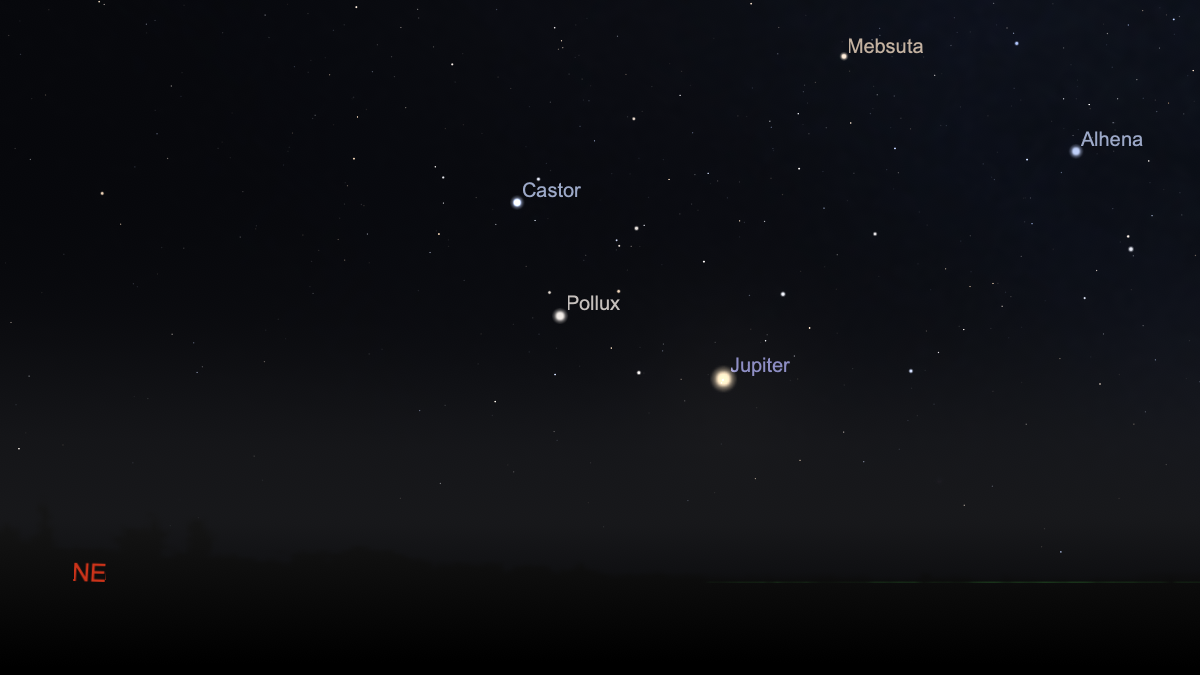
When to see: Dec. 25, 2025–Jan. 10, 2026
Head outside about 90 minutes after sunset and look east. The brightest “star” climbing into the sky is Jupiter, shining with a steady light. It will be your planetary companion for the rest of the year — a seasonal lantern that gets higher and more obvious each night.
If it looks like the “Star of Bethlehem” or “Christmas Star,” that’s because it’s closest to its opposition — the brightest it ever gets — on Jan. 10, 2026.
See Jupiter's moons Celestron SkyMaster 15x70 Binoculars
 $129.95 $89ViewSee all prices
 Celestron SkyMaster 25x100 $519.95 $379.99ViewSee all prices
 Celestron Inspire 100AZ $379.95 $339.99ViewSee all pricesWe check over 250 million products every day for the best prices
2. Ursids meteor shower
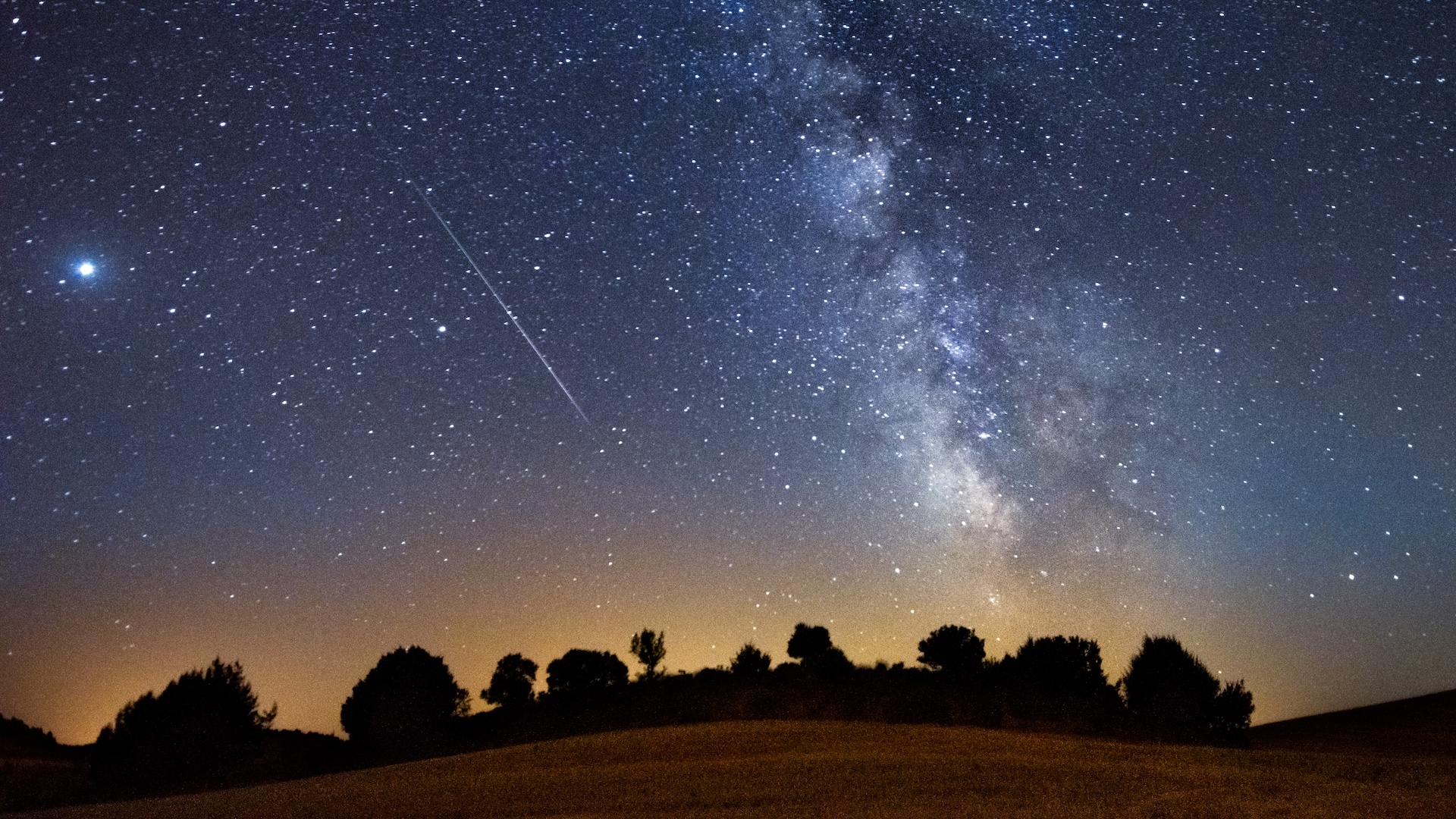
When to see: Dec. 21-22, 2025
Sign up for the Live Science daily newsletter nowContact me with news and offers from other Future brandsReceive email from us on behalf of our trusted partners or sponsorsBy submitting your information you agree to the Terms & Conditions and Privacy Policy and are aged 16 or over.Today marks the winter solstice in the Northern Hemisphere — the shortest day and the longest, darkest night of the year. After dusk, a 3%-lit waxing crescent moon hangs low in the southwest in twilight, sinking below the horizon soon after to leave the sky wonderfully dark for the peak of the Ursids.
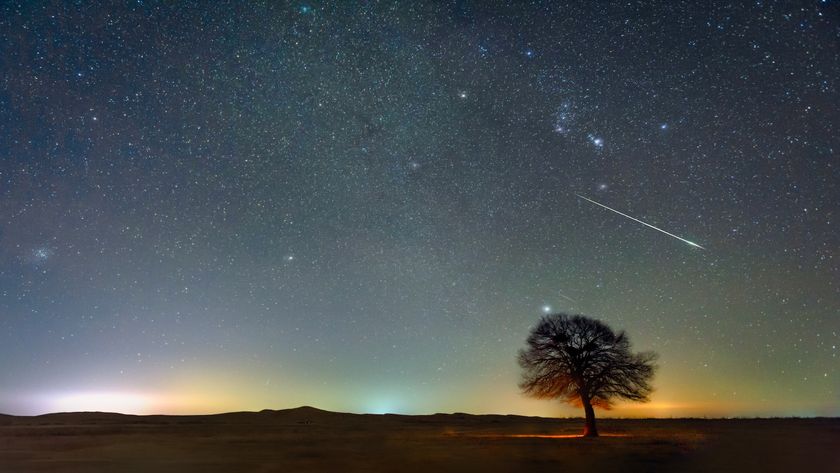
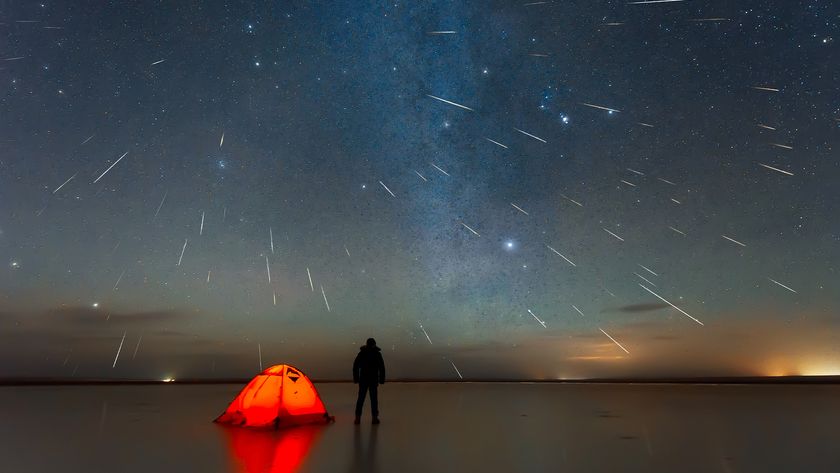
It’s not a particularly strong meteor shower, but the chance of about 10 “shooting stars” per hour in moonless night skies makes it a good opportunity to go stargazing, or to head out with your astrophotography camera if the skies are clear. Wrap up well, head out after about 11 p.m., and stay for an hour or two if you can.
- Read more: How to photograph a meteor shower
 Canon EOS R6 Mark II $2,299 $1,999ViewSee all prices
 Sony A7 IV $2,699.99 $1,998ViewSee all prices
 Nikon Z8
 $3,198ViewSee all pricesWe check over 250 million products every day for the best prices
3. ‘Earthshine’ on a crescent moon
When to see: After sunset, Dec. 22-24, 2025.
You may like-
Ursid meteor shower 2025: When and where to see 'shooting stars' on the longest night of the year
-
See up to 150 'shooting stars' per hour this weekend as the Geminid meteor shower reaches its stunning peak
-
 Astrotourism, dark-sky and Northern Lights travel essentials
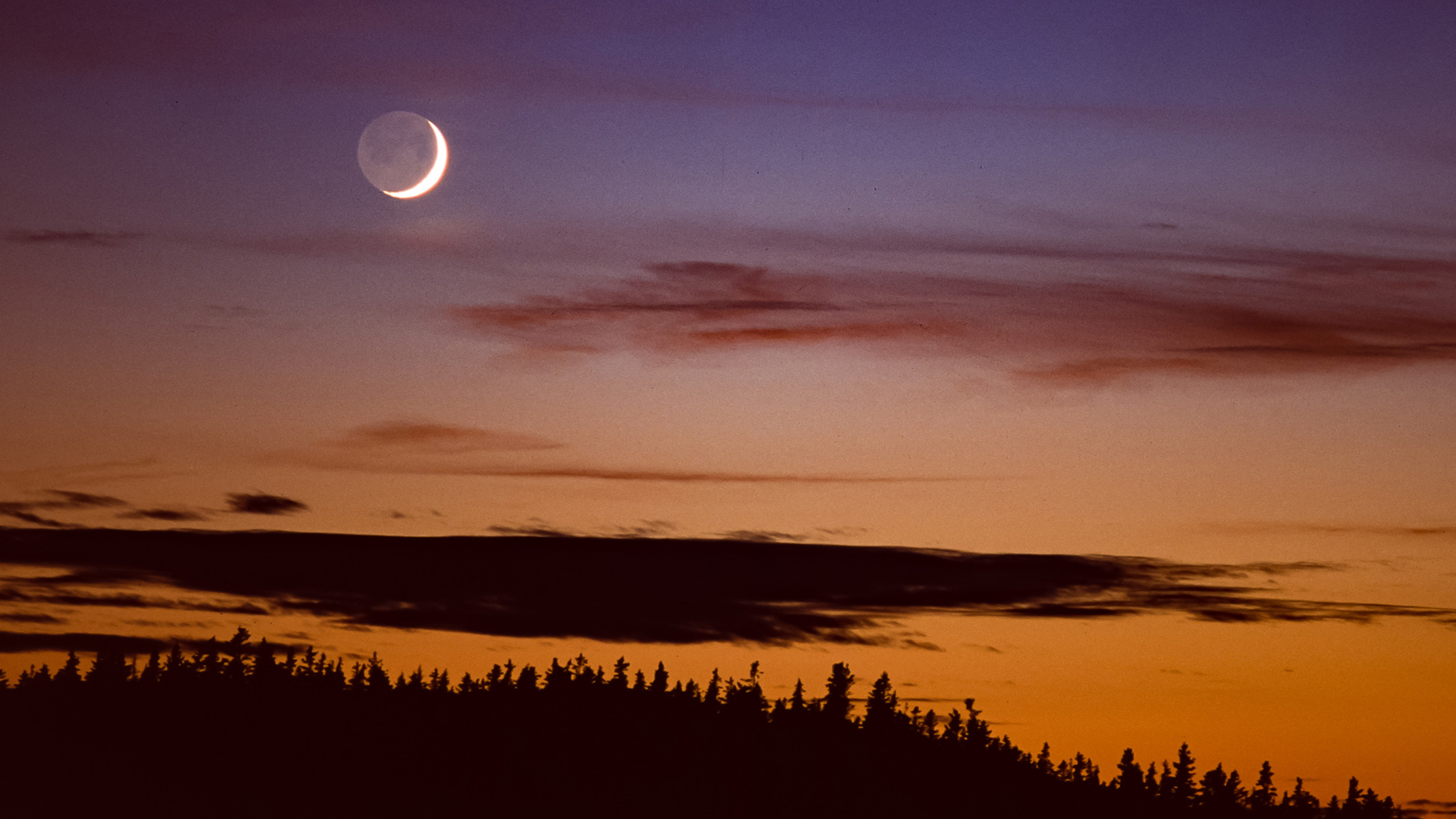
The highlight in the few evenings between the winter solstice and Christmas Day is a waxing crescent moon in the western sky shortly after sunset. On Dec. 22, a 7%-illuminated crescent moon will display “Earthshine,” sunlight reflecting off Earth’s clouds and oceans and gently lighting up the moon’s night side.
On Dec. 23, it will be 13%-illuminated and shine close to the star Fomalhaut, the brightest star in the constellation Piscis Austrinus, the Southern Fish. Christmas Eve brings a now 21%-illuminated waxing crescent moon forming a lopsided triangle with Fomalhaut to its lower-left and Saturn to its upper-left.
- Read more: Beginner's guide to astrophotography
4. ‘Santa’s sleigh’ on Christmas Eve
When to see: Dec. 24-25, 2025
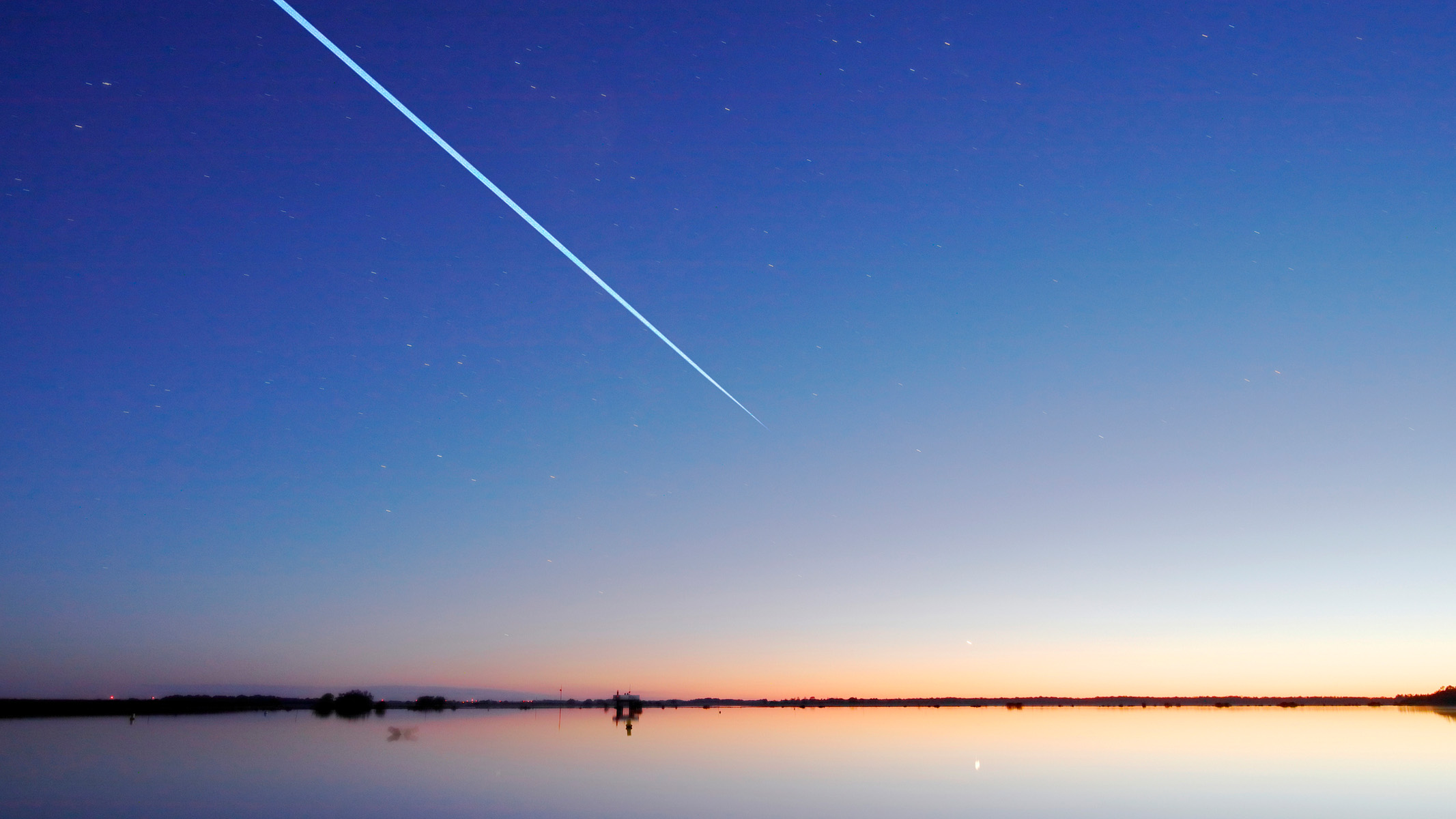
Check NASA’s Spot The Station page or apps to see if a pass of the International Space Station is visible from your location. If you get lucky, it will appear in the west as a brilliant, steady point of light that glides across the sky in just a few minutes, brighter than almost any star. To younger observers, it makes a perfect “Santa’s sleigh”, racing around Earth every 90 minutes while stockings are being hung and presents wrapped.
- Read more: Best binoculars for kids
 Nikon PROSTAFF P3 8x42 $159.95 $136.95ViewSee all prices
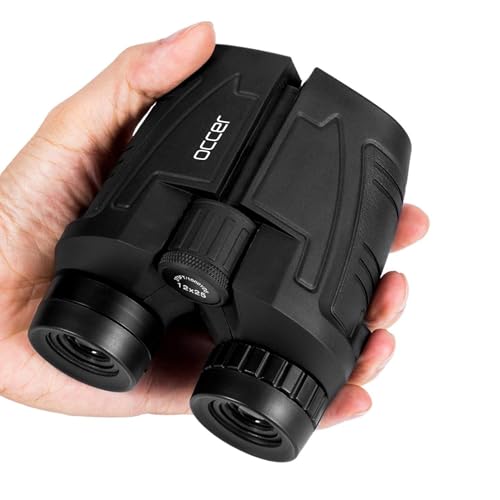 Occer 12x25 Compact Binoculars $43.99 $35.98ViewSee all pricesWe check over 250 million products every day for the best prices
5. The Christmas Tree Cluster
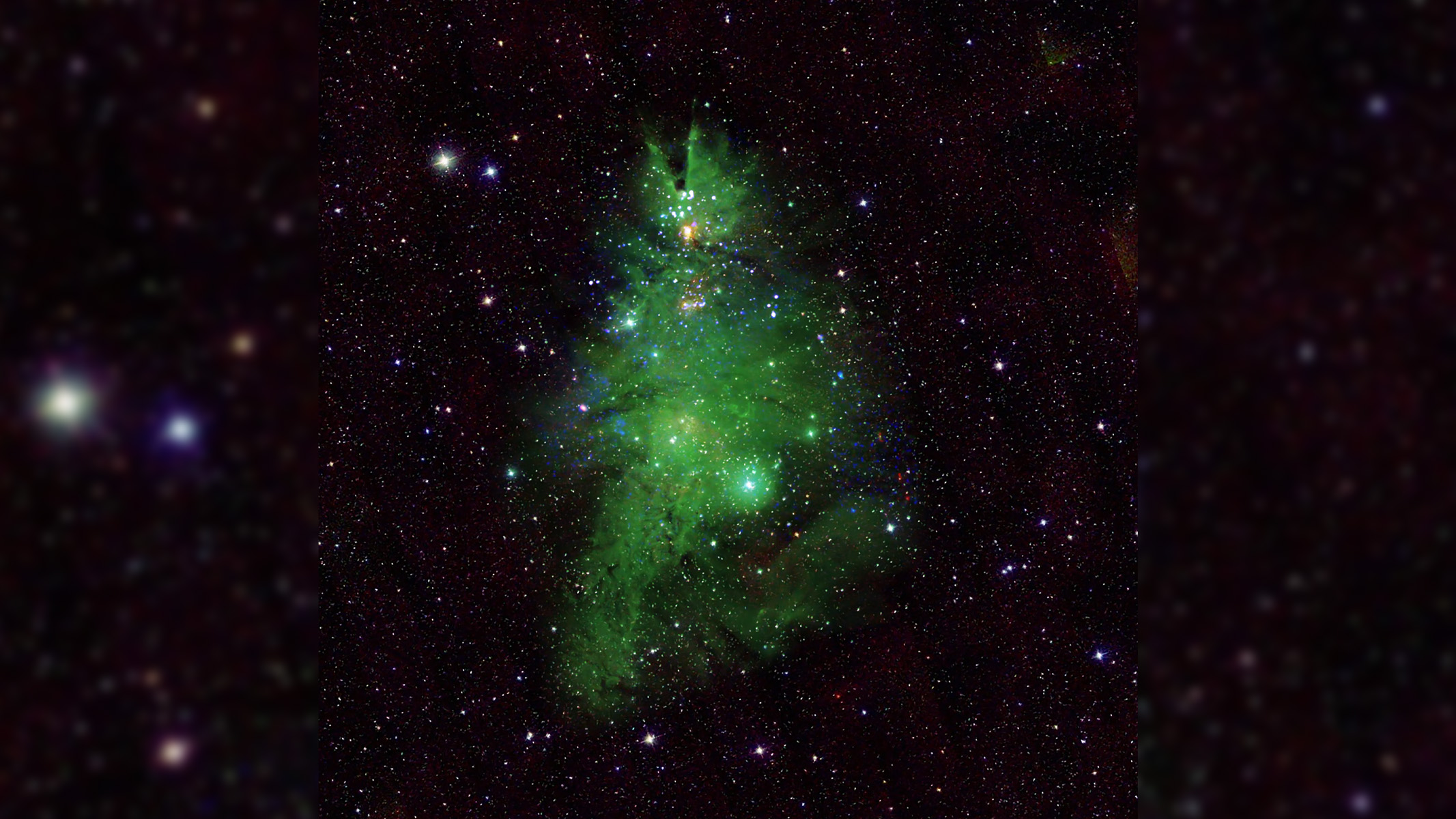
When to see: After dark, any time in December and January
For those gifted a large telescope today, there’s a tempting festive target. Buried within the faint constellation Monoceros, the Unicorn — east of Orion — is the Christmas Tree Cluster (NGC 2264).
It’s not visible to the naked eye, but if you’re under dark skies and have binoculars or a small telescope, you can hunt for the small triangular patch of stars that give this region its festive nickname. This young star cluster is about 2,500 light-years from the solar system.
- Read more: What are the different types of telescope?
 Celestron NexStar 8SE $1,699 $1,499ViewSee all prices
 Sky-Watcher Flextube 200P $850 $739ViewSee all prices
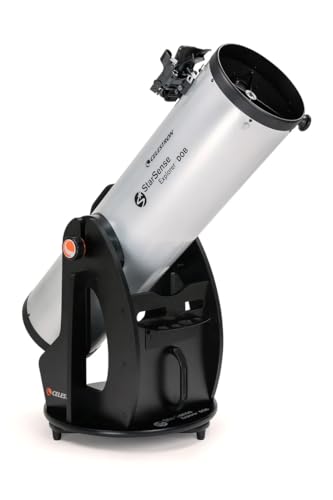 Celestron StarSense Explorer 10-inch $1,199ViewSee all pricesWe check over 250 million products every day for the best prices
6. Saturn and the moon in conjunction
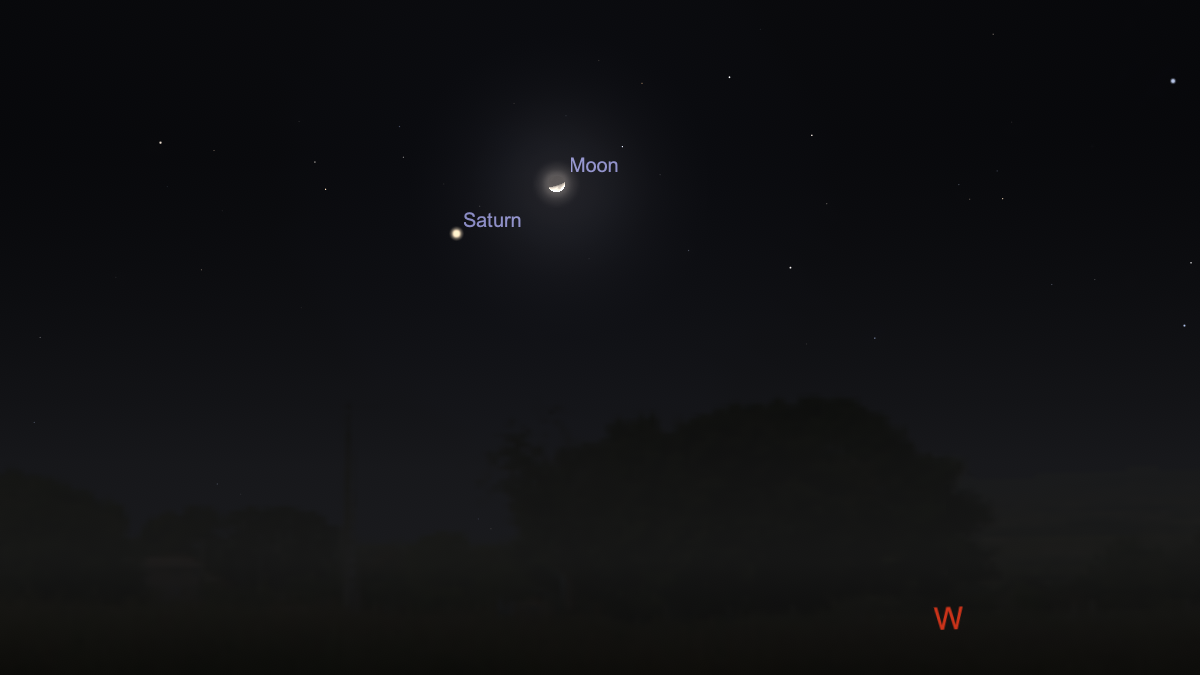
When to see: Dec. 26, 2025
Boxing Day brings a beautiful pairing of the moon and Saturn. As darkness falls, look high in the south to find the bright moon, which is now at first-quarter phase and so about half illuminated. Close by, within a few finger-widths at arm’s length, sits Saturn as a steady, golden point of light.
See Saturn's rings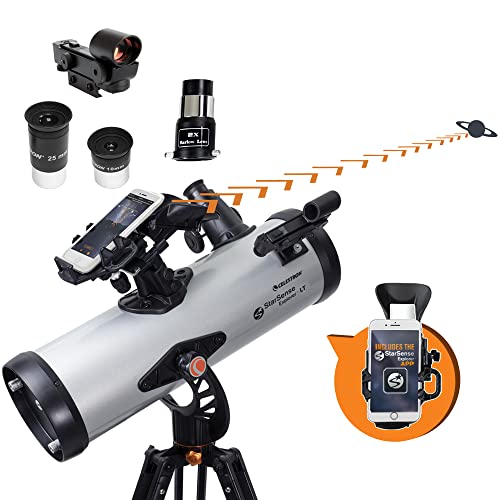 Celestron StarSense Explorer LT 114AZ $259.95 $182.39ViewSee all prices
 Celestron Astromaster 80AZ $350.99ViewSee all prices
 Celestron NexStar 6SE $1,199 $1,039ViewSee all pricesWe check over 250 million products every day for the best prices
7. Orion
When to see: After dark, any time in December and January
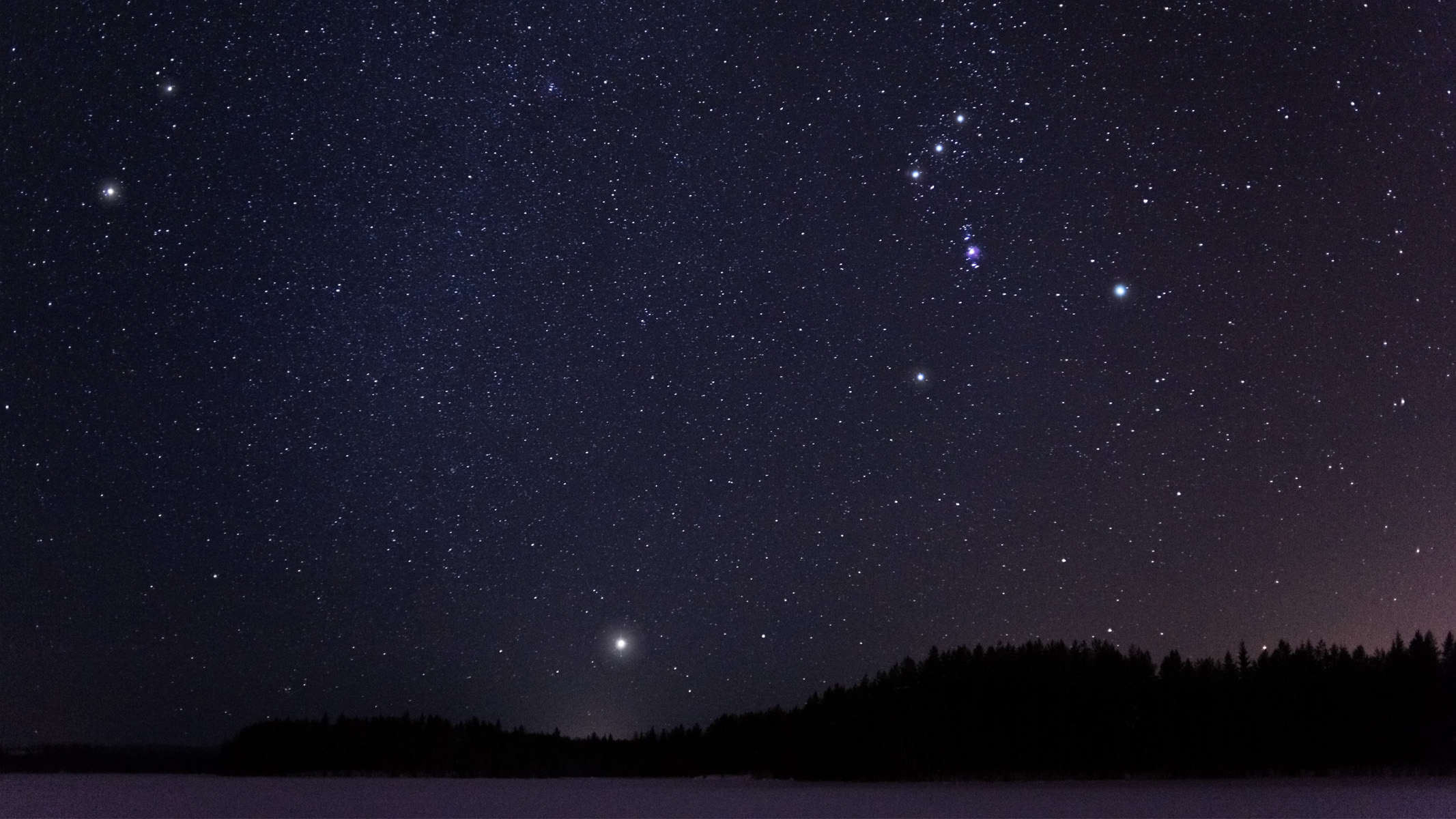
It’s one of the most famous constellations in the night sky, but only in winter is Orion at its best. Best known for Orion’s Belt — also called the “Three Kings” — there’s more to find besides Alnitak, Alnilam and Mintaka. Either side has four stars ranged in a loose rectangle around the belt stars — Saiph and reddish Betelgeuse on one side and Bellatrix and bluish Rigel on the other.
Use any pair of binoculars to find Orion’s “snake” — an S-shape curl of stars between Alnilam and Mintaka — then point them at the fuzzy patch close by. This is the Orion Nebula (M42), a stellar nursery where stars are being created.
- Read more: Best beginner telescopes
 Celestron Nature DX ED 10x42 $239.95 $209.99ViewSee all prices
 Celestron Regal ED 10x42 $379.49ViewSee all prices
 Celestron SkyMaster Pro 20x80 $349.95 $319ViewSee all pricesWe check over 250 million products every day for the best prices
8. The Pleiades and the moon
When to see: Dec. 31, 2025–Jan. 1, 2026
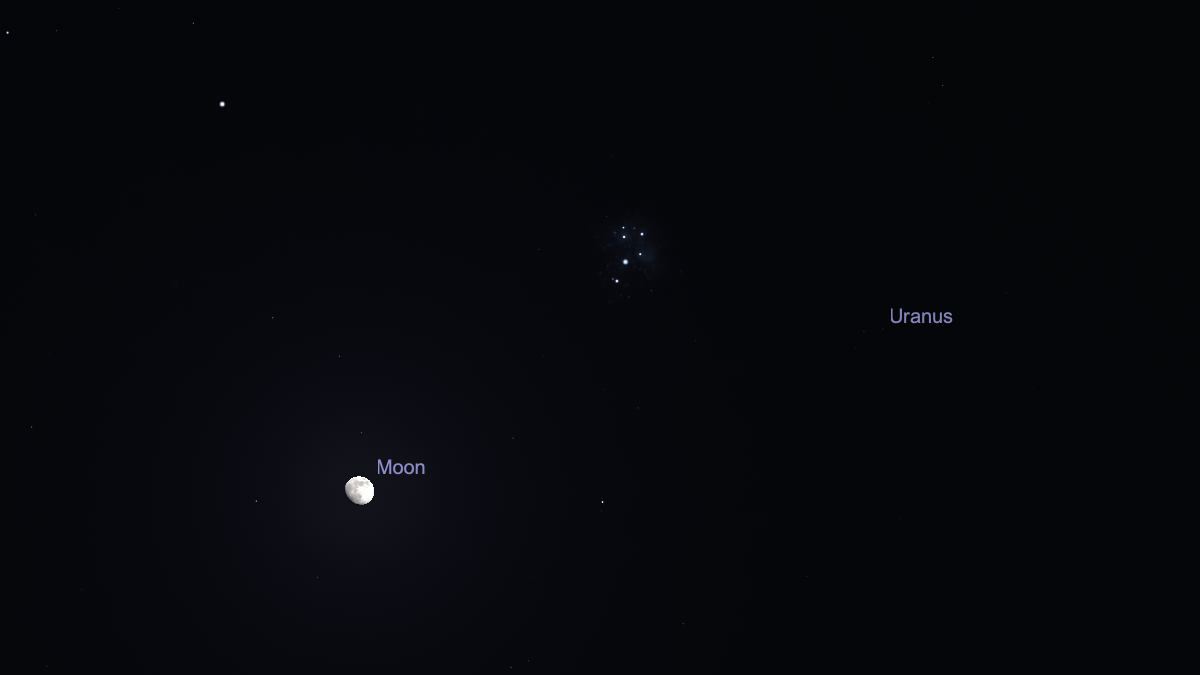
New Year’s Eve brings a close encounter between the most beautiful cluster of stars in the night sky and an almost-full moon. As darkness falls, look east to see a nearly full Moon rising in Taurus, with the Pleiades — also known as the Seven Sisters — nestling just to one side.
From mid-northern latitudes, the moon may appear to skim past the cluster during the evening, its bright halo almost wrapping around the tiny glitter of stars, although moonlight will wash out the fainter members of the Pleiades.
9. A full Wolf Supermoon rising
When to see: Saturday, Jan. 3
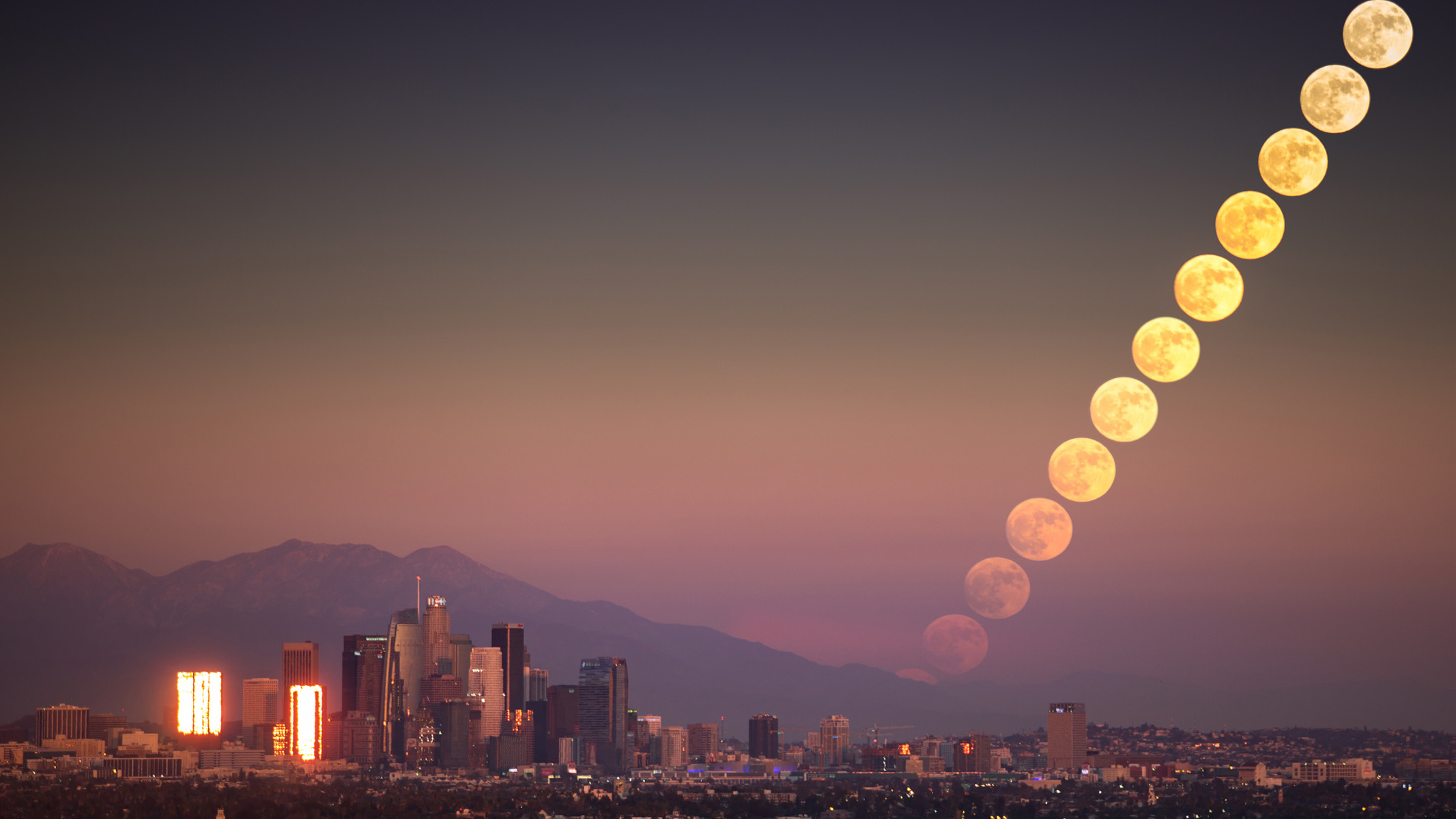
Tonight’s full Wolf Moon is the fourth and final supermoon in a row. Best seen rising in the east around sunset, this full moon coincides with perigee, when the moon is at its closest point to Earth in its monthly orbit.
About 30% brighter than the average full moon, it will dominate the sky all night and appear slightly larger than normal, especially when it’s low on the horizon and framed by trees, rooftops or distant hills. The time to catch it is when the moon rises where you are.
While the best astrophotography lenses are ideal for wide-angle shots of the Milky Way, the best lenses for moon photography are actually big zoom telephoto lenses that are typically used more for wildlife photography.
- Read more: How to photograph the moon
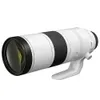 Canon RF 200-800mm f/6.3-9 IS USM $1,951ViewSee all prices
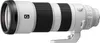 Sony FE 200-600mm F5.6-6.3 G OSS $1,840ViewSee all prices
 Nikon Z 100-400mm f/4.5-5.6 VR S $2,352ViewSee all pricesWe check over 250 million products every day for the best prices
10. Quadrantids meteor shower
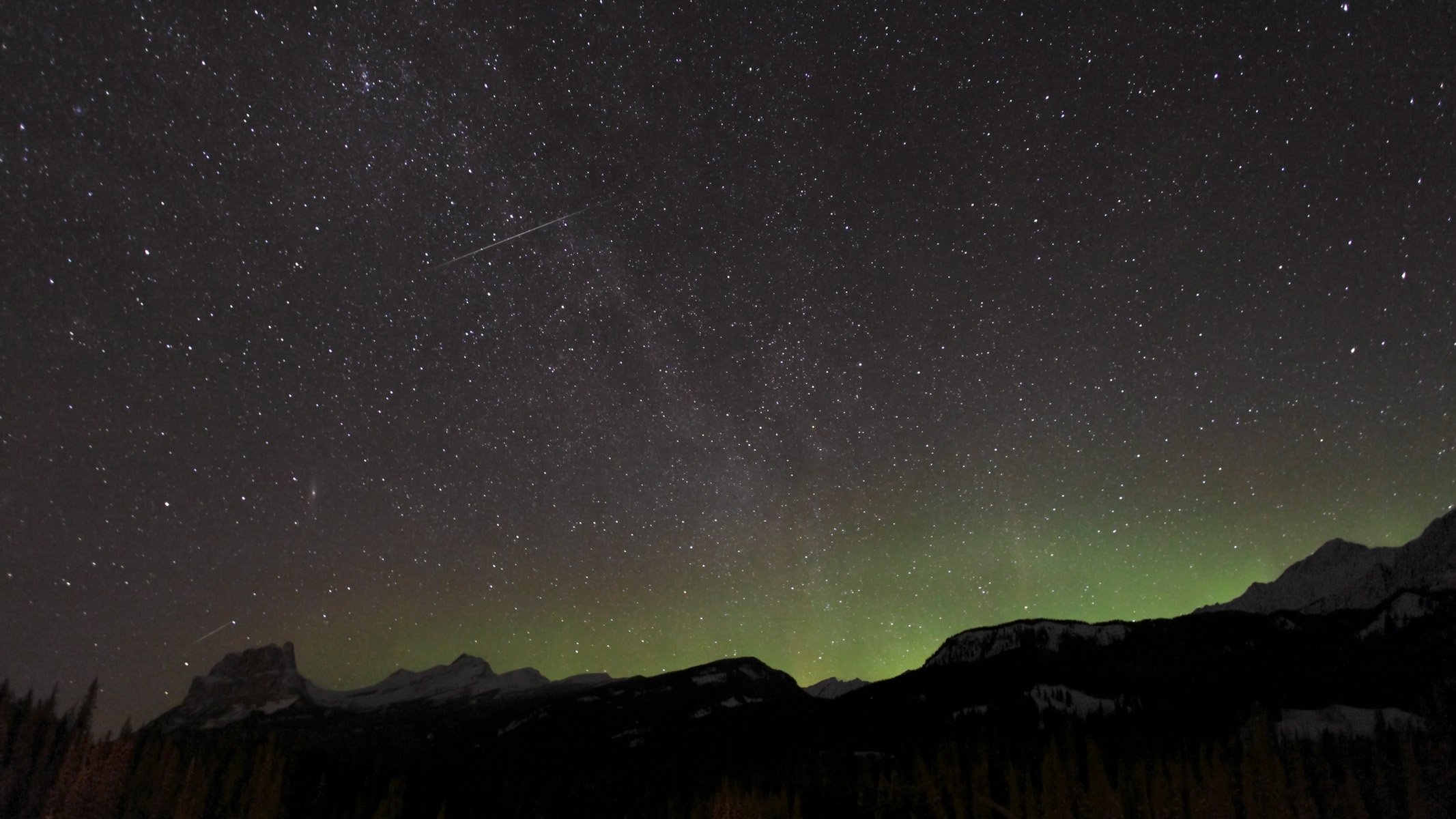
When to see: overnight on Jan. 3-4, 2026
In the pre-dawn hours of Jan. 4, the Quadrantids meteor shower reaches its official peak. Conditions are not ideal this year because the moon will be very bright, but if you’re awake before dawn and the sky is clear, it’s worth giving the shower a short watch.
Find a place to observe where you can keep your back to the moon, or where it’s hidden behind a roofline or trees, then look overhead and toward the northeast. Even with the glare, a few bright meteors may slash across the sky every so often, appearing to radiate from a point near the constellation Boötes.
- Read more: Astrophotography settings 101
 Jamie CarterSocial Links NavigationLive Science contributor
Jamie Carter is a freelance journalist and regular Live Science contributor based in Cardiff, U.K. He is the author of A Stargazing Program For Beginners and lectures on astronomy and the natural world. Jamie regularly writes for Space.com, TechRadar.com, Forbes Science, BBC Wildlife magazine and Scientific American, and many others. He edits WhenIsTheNextEclipse.com.
Show More CommentsYou must confirm your public display name before commenting
Please logout and then login again, you will then be prompted to enter your display name.
Logout Back To Top Read more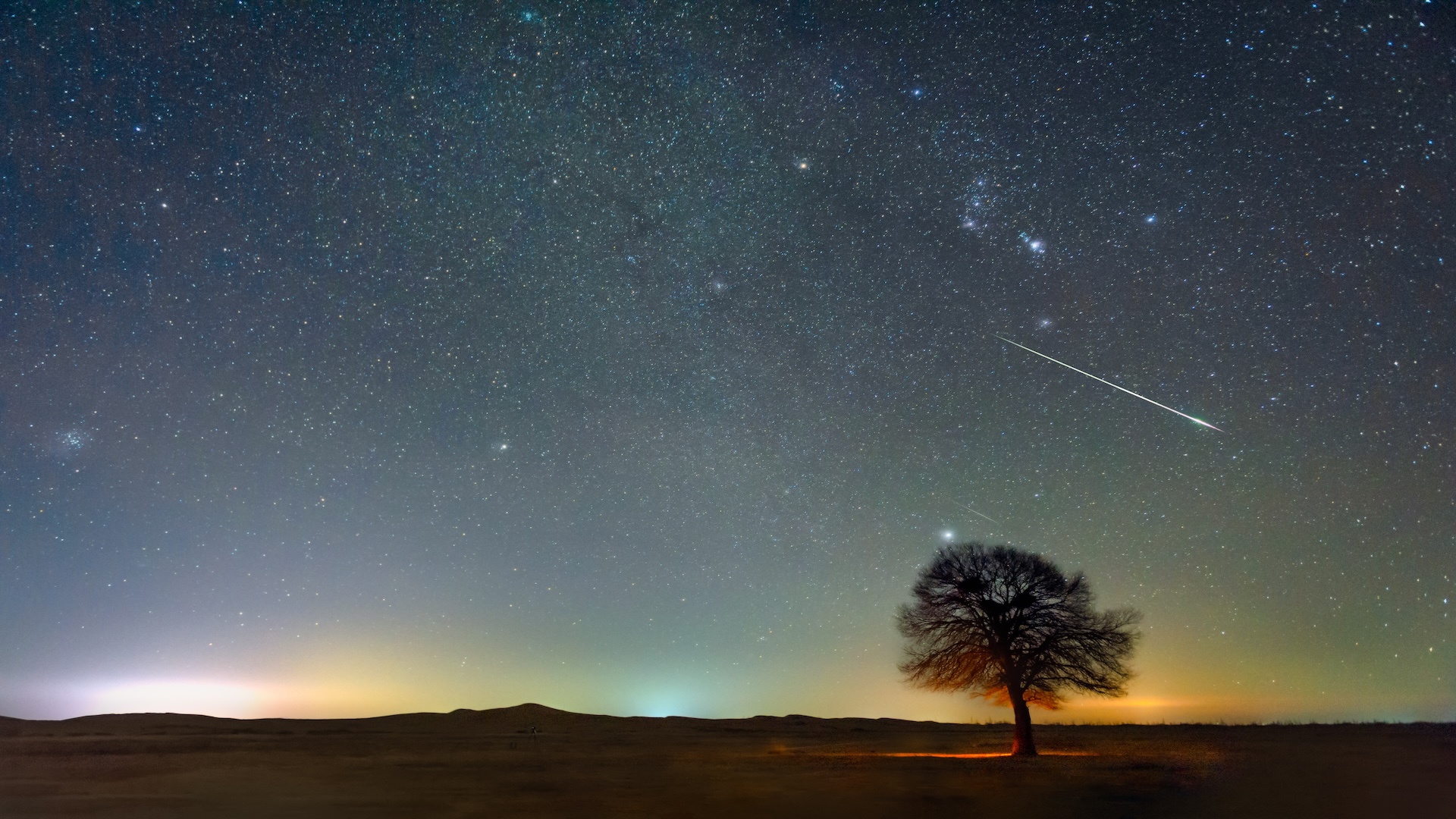 Ursid meteor shower 2025: When and where to see 'shooting stars' on the longest night of the year
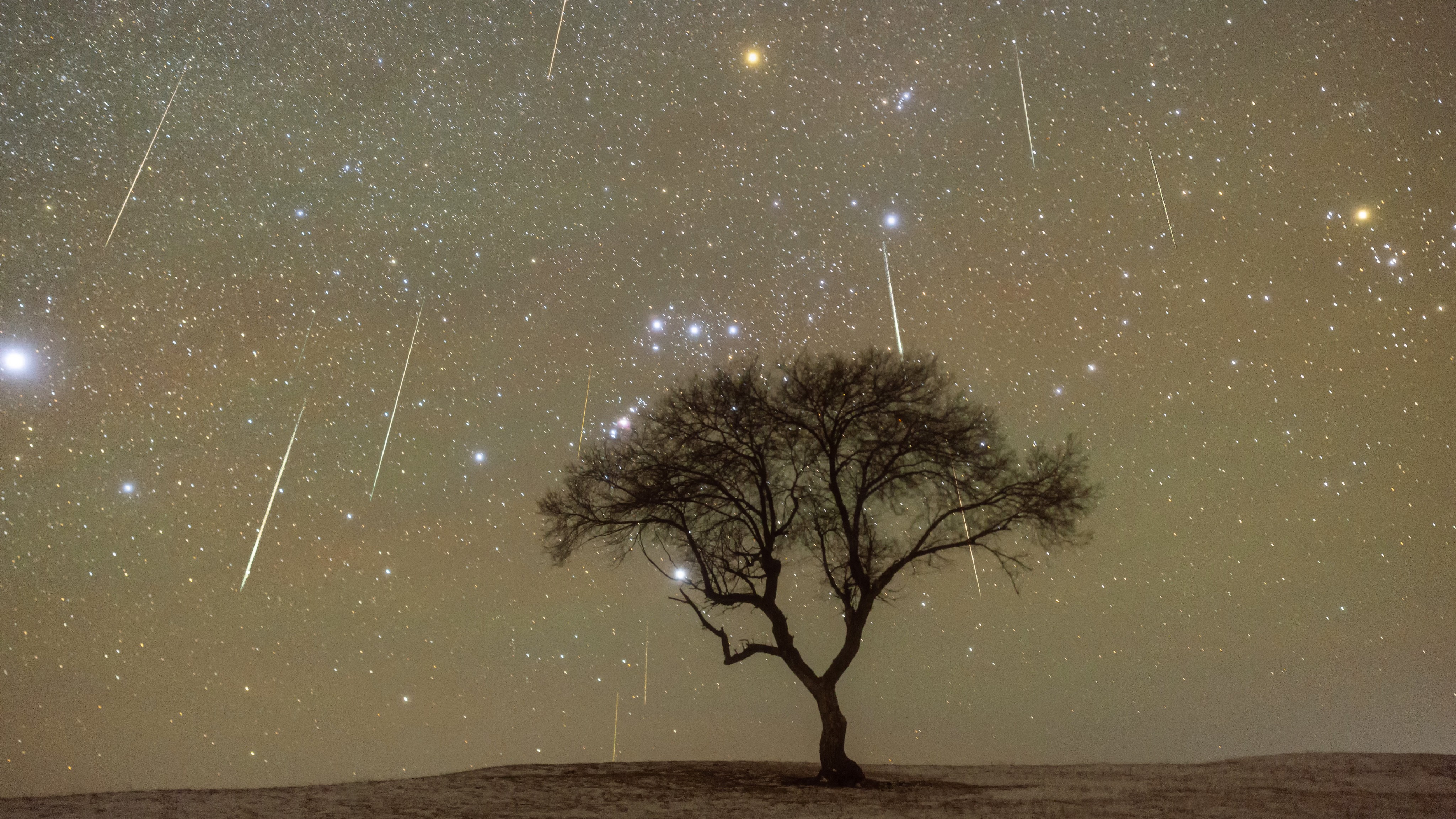 See up to 150 'shooting stars' per hour this weekend as the Geminid meteor shower reaches its stunning peak
 Astrotourism, dark-sky and Northern Lights travel essentials
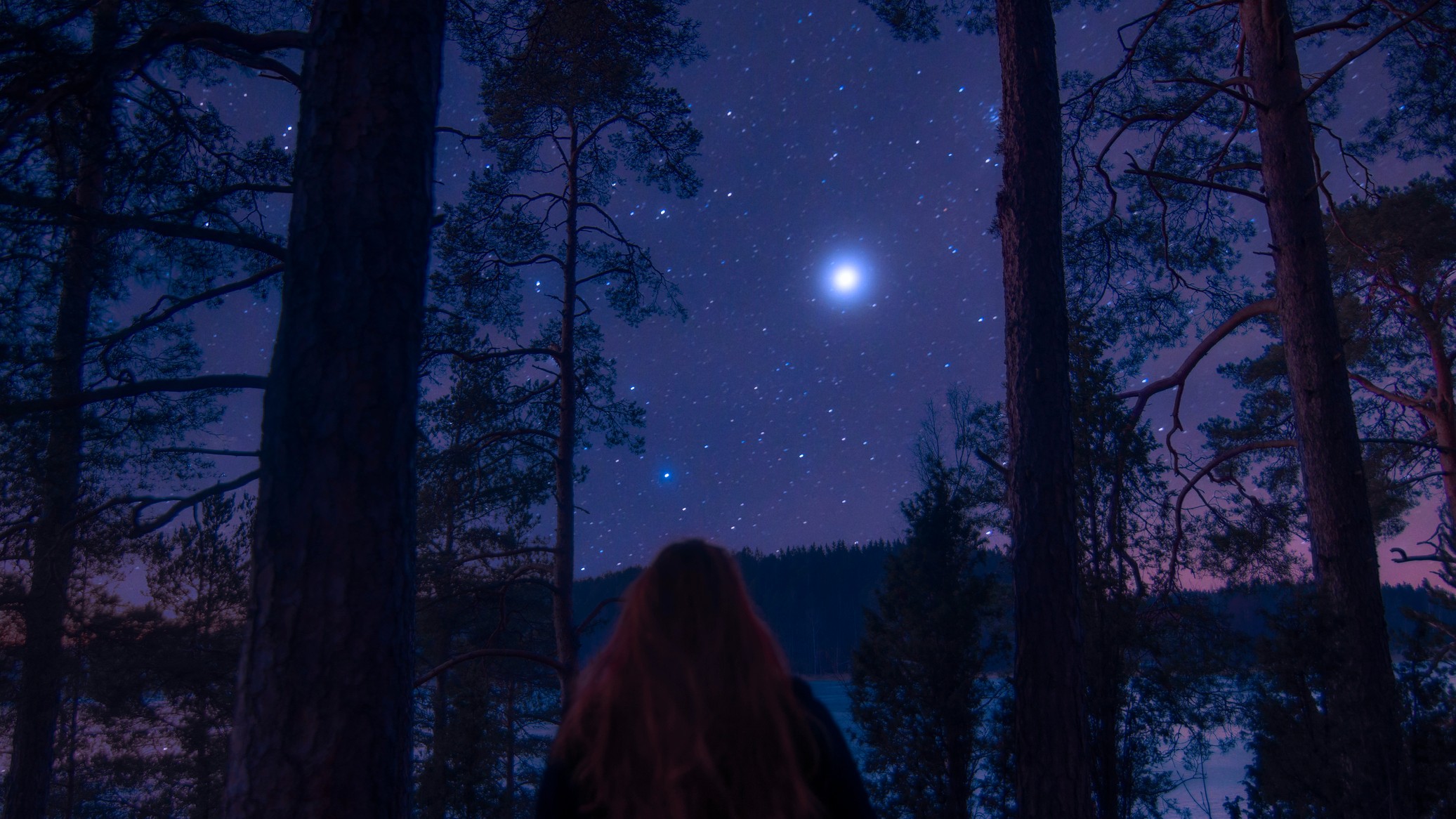 How to find the 'Christmas Star' — and what it really is
 See the last Supermoon of the year with these Cyber Monday skywatching deals
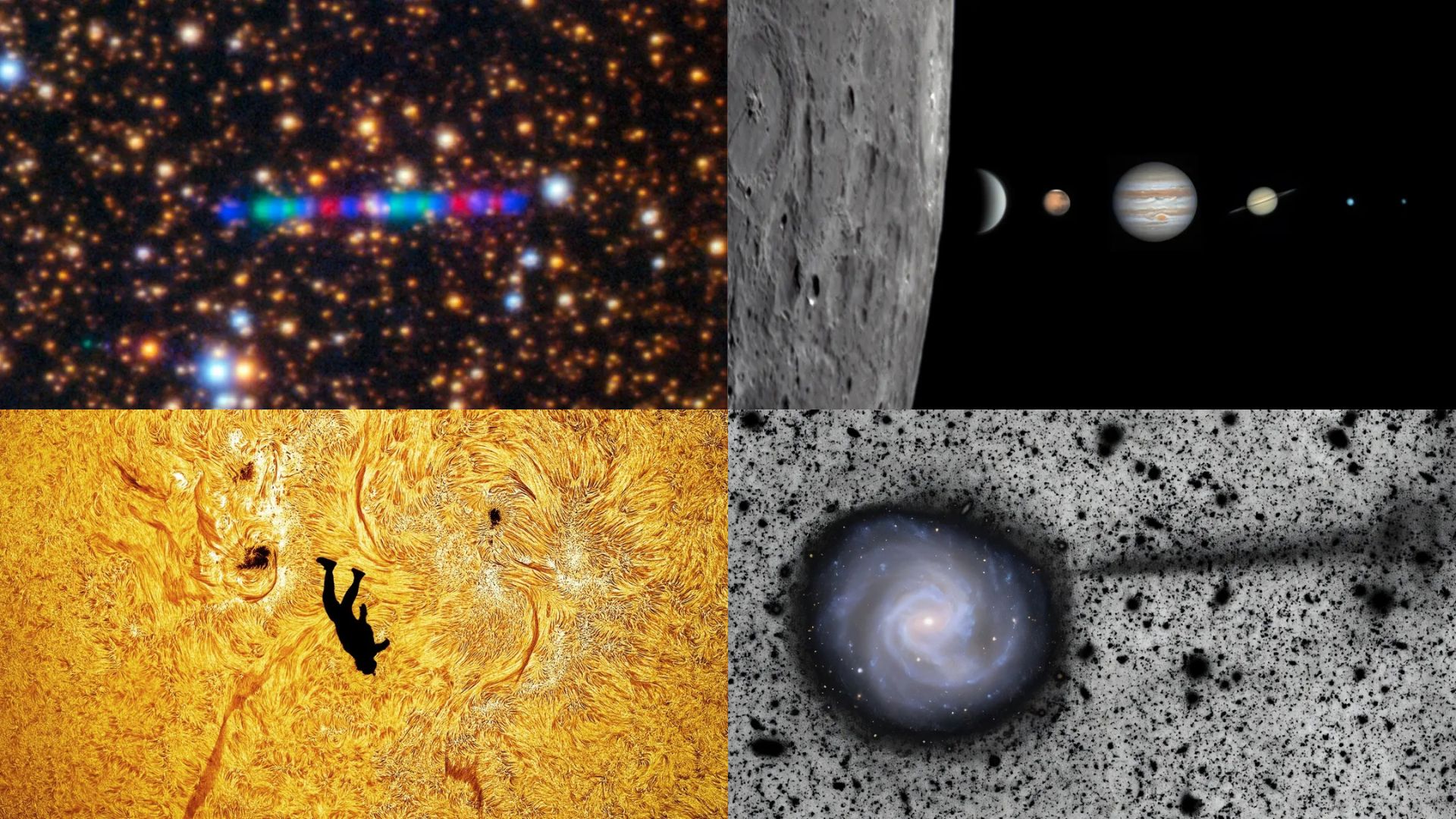 Best space photos of 2025
Latest in Space
Best space photos of 2025
Best space photos of 2025
Latest in Space
Best space photos of 2025
 Glittering new James Webb telescope image shows an 'intricate web of chaos' — Space photo of the week
 Interstellar comet 3I/ATLAS makes closest pass of Earth. Where's it heading next?
 Interstellar comet 3I/ATLAS is rapidly moving away from us. Can we 'intercept' it before it leaves us forever?
 'Unprecedented' protoplanet collision spotted in 'Eye of Sauron' star system just 25 light-years from Earth
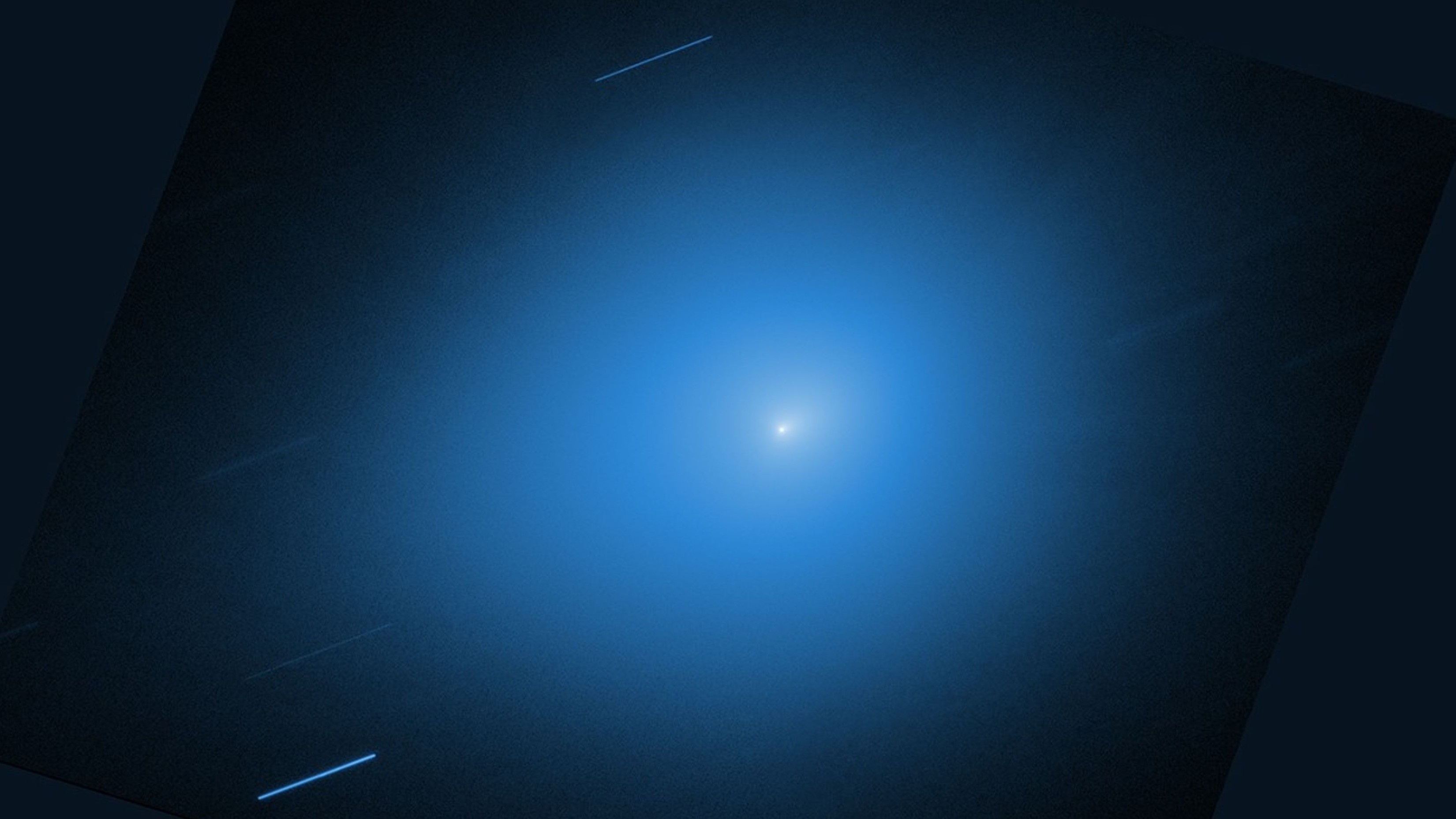 Comet 3I/ATLAS reaches its closest point to Earth tonight: How to see it
Latest in Features
Comet 3I/ATLAS reaches its closest point to Earth tonight: How to see it
Latest in Features
 Science history: Anthropologist sees the face of the 'Taung Child' — and proves that Africa was the cradle of humanity — Dec. 23, 1924
 What's the fastest a human can grow?
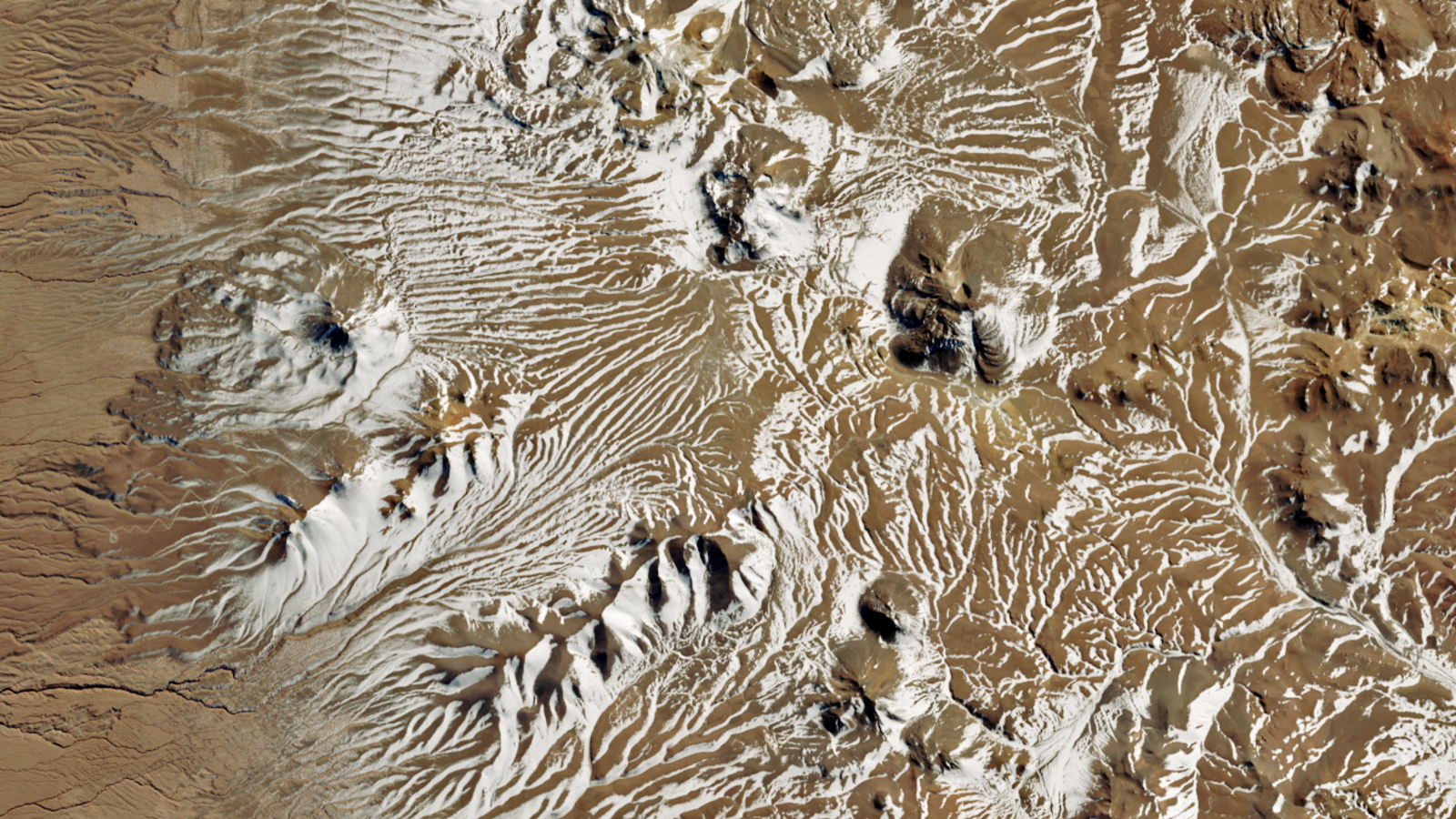 Rare dusting of snow covers one of the driest place on Earth and shuts down massive radio telescope
 An otherwise 'fit' man had a stroke after drinking 8 'high-potency' energy drinks a day
 Science history: Norwegian explorer wins the treacherous race to the South Pole, while British rival perishes along with his crew — Dec. 14, 1911
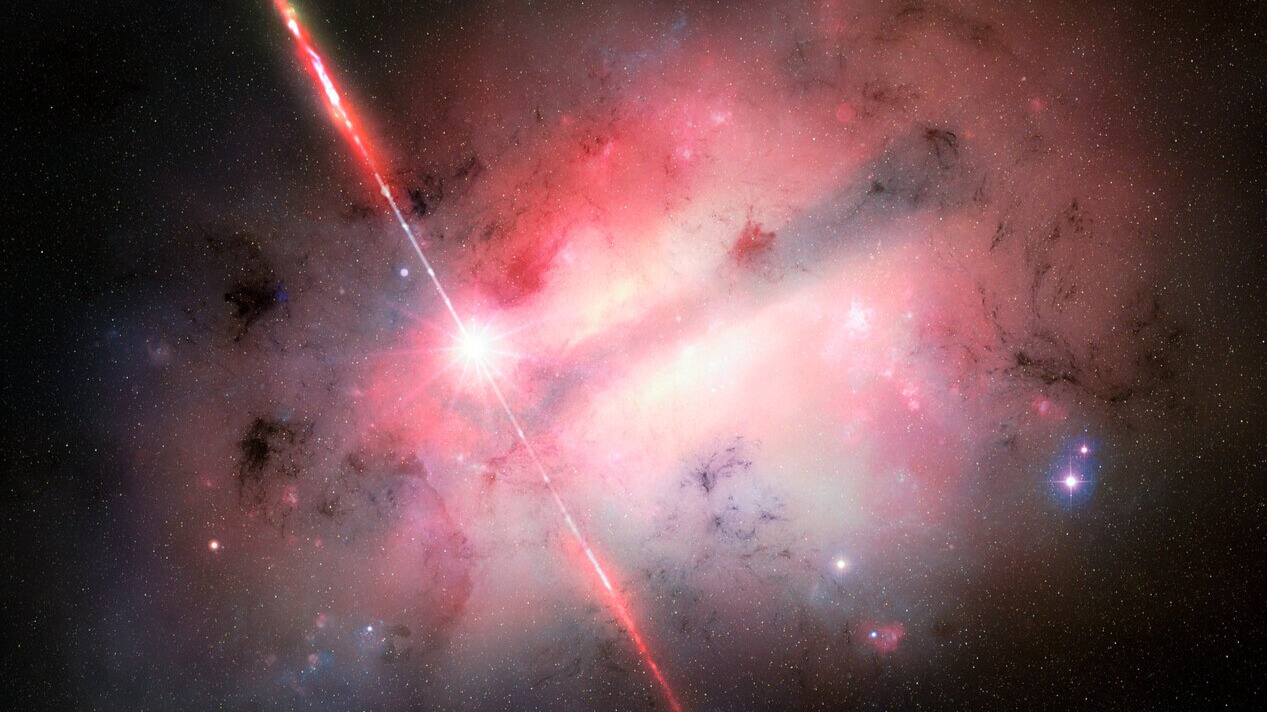 Strange, 7-hour explosion from deep space is unlike anything scientists have seen — Space photo of the week
LATEST ARTICLES
Strange, 7-hour explosion from deep space is unlike anything scientists have seen — Space photo of the week
LATEST ARTICLES 1Graphene supercapacitor breakthrough could boost energy storage in future EVs and other household devices
 - 2Rare dusting of snow covers one of the driest places on Earth and shuts down massive radio telescope — Earth from space
- 3Science history: Anthropologist sees the face of the 'Taung Child' — and proves that Africa was the cradle of humanity — Dec. 23, 1924
- 42,300-year-old Celtic gold coins found in Swiss bog
- 5Best space photos of 2025