
- Planet Earth
- Weather
A satellite photo from July shows intricate snowy stripes painted across the Atacama Desert in Chile. The icy weather temporarily put the Atacama Large Millimeter/submillimeter Array (ALMA) observatory into "survival mode."
When you purchase through links on our site, we may earn an affiliate commission. Here’s how it works.
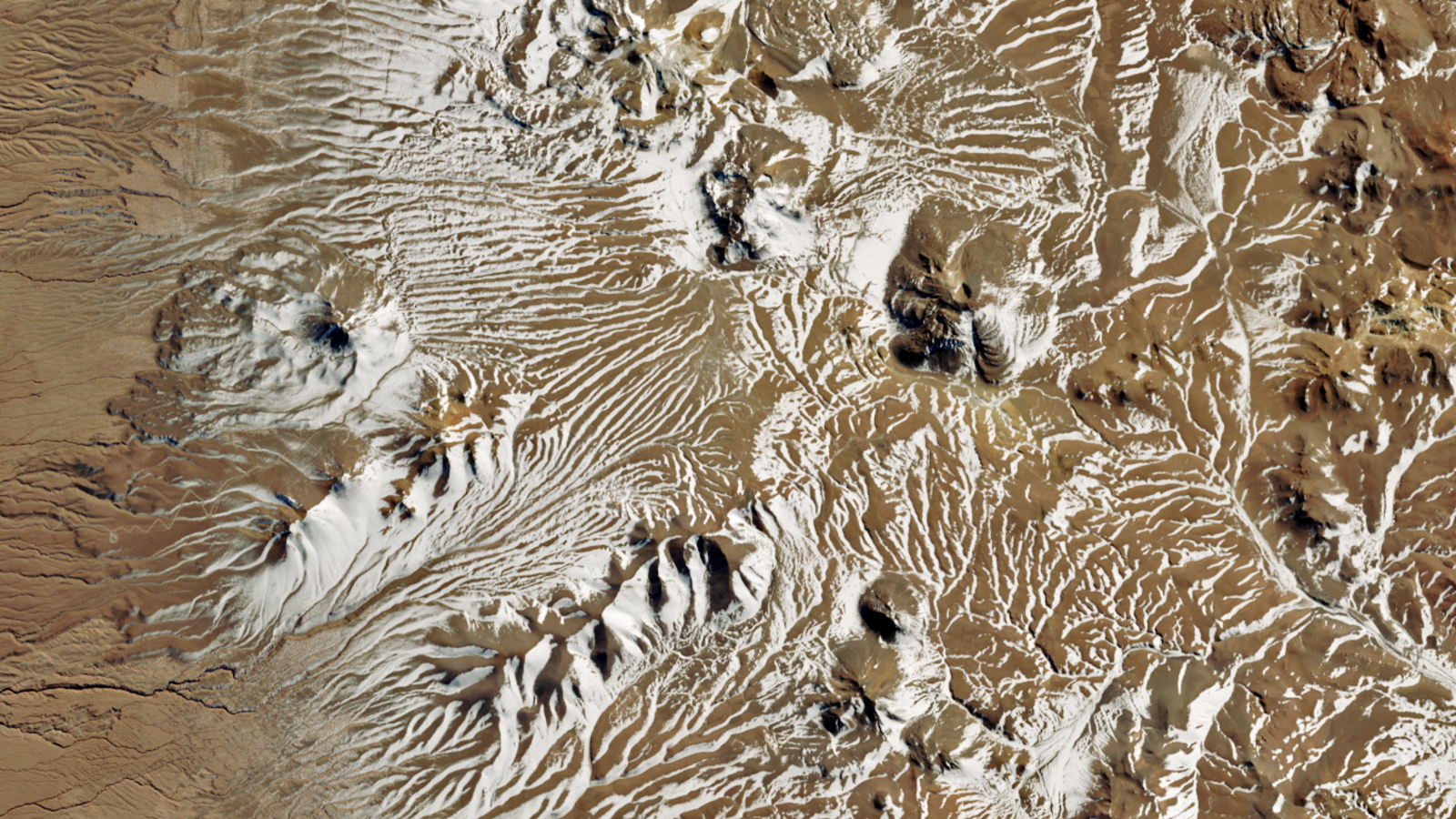 The Atacama desert is widely considered to be one of the driest places on Earth. But in July, large parts of the region experienced a thick dusting of snow.
(Image credit: NASA/Landsat 9)
Share
Share by:
The Atacama desert is widely considered to be one of the driest places on Earth. But in July, large parts of the region experienced a thick dusting of snow.
(Image credit: NASA/Landsat 9)
Share
Share by:
- Copy link
- X
Where is it? Atacama Desert, Chile
What's in the photo? A rare dusting of snow covers parts of one of the driest places on Earth
Which satellite took the photo? Landsat 9
When was it taken? July 10, 2025
This striking satellite photo captured a rare spectacle earlier this year, when "one of the driest places on Earth" experienced a rare snowstorm. This freak event temporarily turned the barren, rocky landscape white — and briefly shut down one of the world's most powerful radio telescopes.
The desert is also widely considered to be one of the driest places on Earth, alongside other hyperarid spots, such as Antarctica and the Sahara. Some areas currently experience as little as 0.002 inches (0.5 millimeters) of rain annually, according to Guinness World Records. Previous research has hinted that parts of the Atacama went nearly 400 years without any recorded rain, between 1570 and 1971.
You may like-
 Sea of Saharan 'star dunes' clashes with otherworldly terrain where 2 countries meet
-
 Trio of 'black mesas' leftover from Paleozoic era spawn rare sand dunes in the Sahara
-
 Deep snow blanket transforms Yellowstone Lake into a giant white void
On June 25, a rare snowstorm hit Atacama after a "cold-core cyclone" unexpectedly drifted down from the north, covering over half the desert with white powder, according to NASA's Earth Observatory.
The satellite photo above shows a section of the desert in the Chajnantor Plateau, which rises to around 16,000 feet (5,000 meters) above sea level. This area is home to the Atacama Large Millimeter/submillimeter Array (ALMA) observatory — an array of more than 50 radio dishes that scour the "Dark Universe." (ALMA itself is not visible in the aerial photo.)

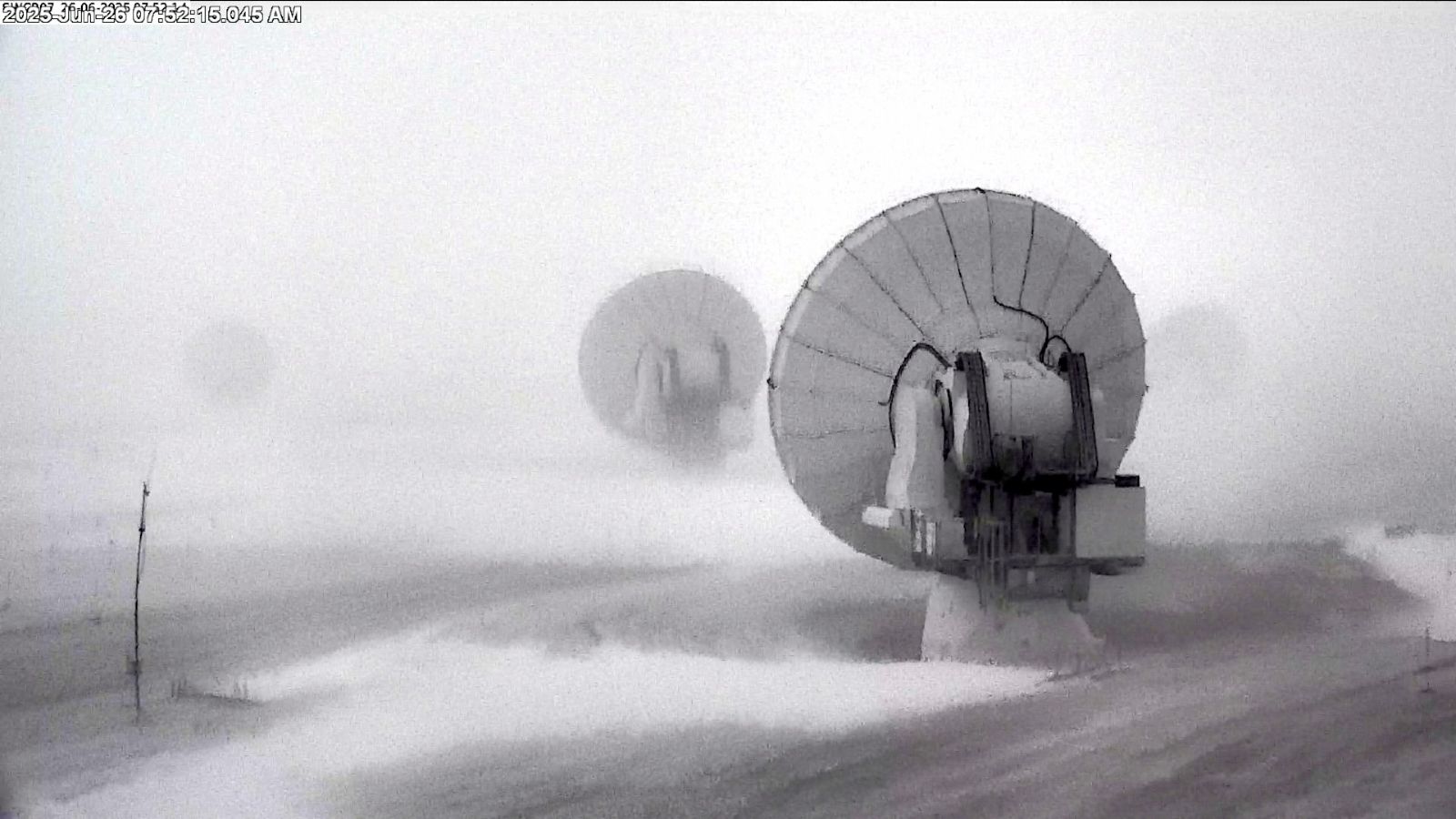
This area is well-suited to astronomical research because it is remote, dry and well-elevated, which reduces interference and maximizes the amount of data telescopes like ALMA can collect. But when the snow settled over the observatory, it temporarily forced ALMA into "survival mode," meaning that the dishes were repositioned to stop them from accumulating snow, halting observations.
The icy dust may have also affected the Southern Astrophysical Research (SOAR) Telescope, located around 530 miles (850 km) southwest of ALMA, but to a lesser extent, according to Live Science's sister site Space.com. The newly constructed Vera C. Rubin Observatory is also located in Atacama, near the SOAR telescope, but was not affected by the storm.
Sign up for the Live Science daily newsletter nowContact me with news and offers from other Future brandsReceive email from us on behalf of our trusted partners or sponsorsBy submitting your information you agree to the Terms & Conditions and Privacy Policy and are aged 16 or over.The snow did not last long, and most of it had disappeared by July 16. In some places, the sunlight was so intense that the snow likely sublimated, or turned directly from solid to gas, before it melted, according to the Earth Observatory.
This is not the first time that snow has fallen in the Atacama. Similar events also occurred in 2011, 2013 and 2021.
The region has also experienced several intense bouts of rain in recent years. When this happens, it can trigger deadly mudflows. In March 2015, at least 31 people were killed after heavy rainfall triggered Atacama's largest ever flood, according to a 2016 study.
You may like-
Sea of Saharan 'star dunes' clashes with otherworldly terrain where 2 countries meet
-
Trio of 'black mesas' leftover from Paleozoic era spawn rare sand dunes in the Sahara
-
Deep snow blanket transforms Yellowstone Lake into a giant white void
Rain can also cause desert flowers, which normally appear in spring, to unexpectedly bloom during winter months, creating fields of vibrant petals to sprout up around the desert. This most recently happened in 2024, after a surprise rain shower caught the plants off guard.
MORE EARTH FROM SPACE—Giant 'chessboard' surrounds Idaho river in bizarre astronaut photo
—10 bizarre 'dark voids' appear in the skies over uninhabited island near Antarctica
—World's largest iceberg, A23a, is disintegrating into thousands of pieces alongside penguin refuge
Precipitation is rare in the Atacama for two reasons. Firstly, it sits within the "rain shadow" of the Andes, which block clouds moving in from the east. And second, cold ocean currents off the region's western Pacific coastline prevent water from evaporating into the air over the desert. This makes Atacama inhospitable to most lifeforms, aside from hardy desert flowers and extreme microbes that live well below its dry surface.
However, the recent instances of extreme precipitation in the region could be a sign that human-caused climate change is making it more likely for snow and rain to fall there. If this continues, the Atacama may one day no longer be one of the driest places on Earth.
For more incredible satellite photos and astronaut images, check out our Earth from space archives.
TOPICS Earth from space Harry BakerSocial Links NavigationSenior Staff Writer
Harry is a U.K.-based senior staff writer at Live Science. He studied marine biology at the University of Exeter before training to become a journalist. He covers a wide range of topics including space exploration, planetary science, space weather, climate change, animal behavior and paleontology. His recent work on the solar maximum won "best space submission" at the 2024 Aerospace Media Awards and was shortlisted in the "top scoop" category at the NCTJ Awards for Excellence in 2023. He also writes Live Science's weekly Earth from space series.
Show More CommentsYou must confirm your public display name before commenting
Please logout and then login again, you will then be prompted to enter your display name.
Logout Read more Sea of Saharan 'star dunes' clashes with otherworldly terrain where 2 countries meet
 Trio of 'black mesas' leftover from Paleozoic era spawn rare sand dunes in the Sahara
 Deep snow blanket transforms Yellowstone Lake into a giant white void
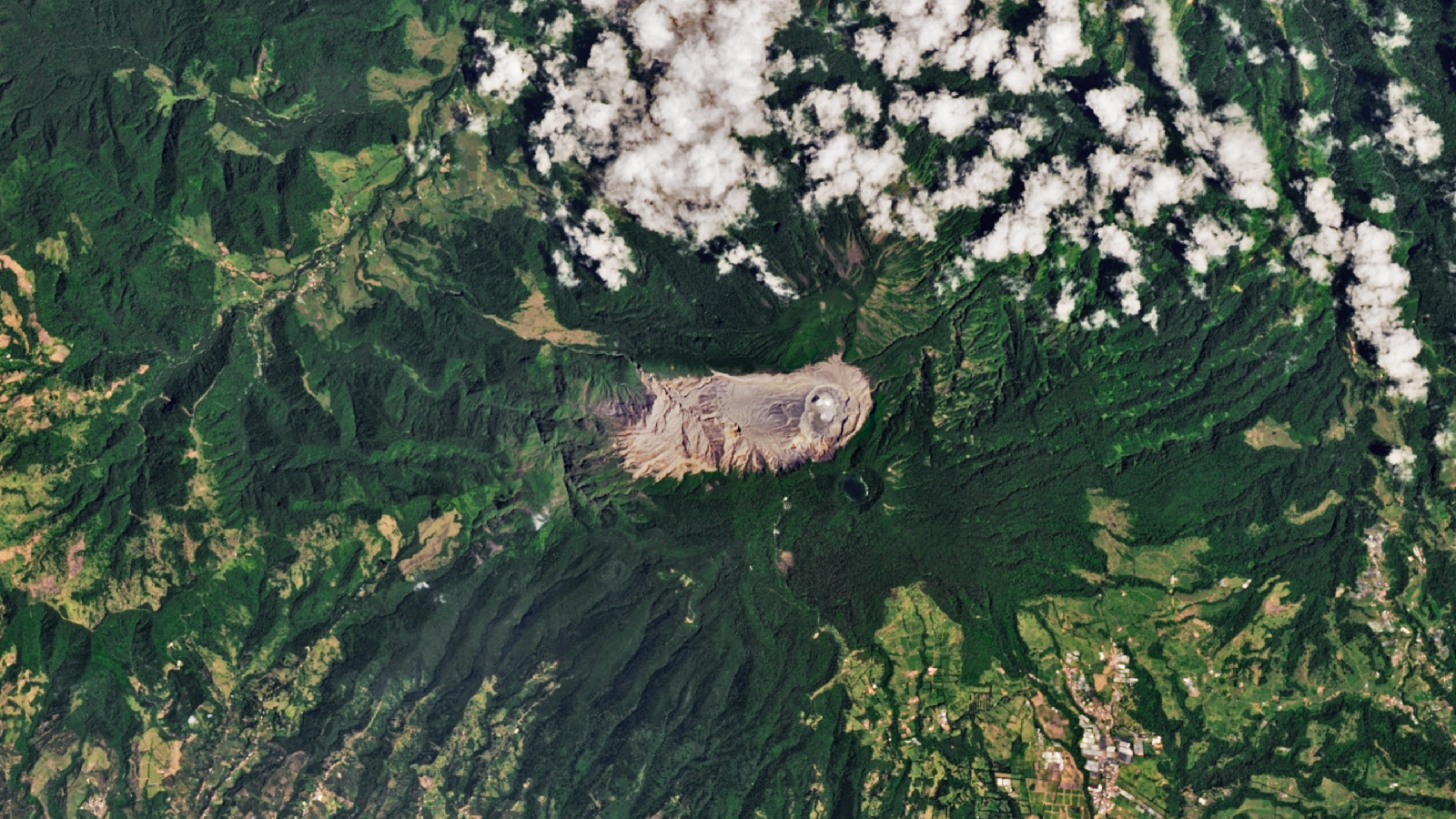 Extreme 'paradise' volcano in Costa Rica is like a piece of ancient Mars on our doorstep
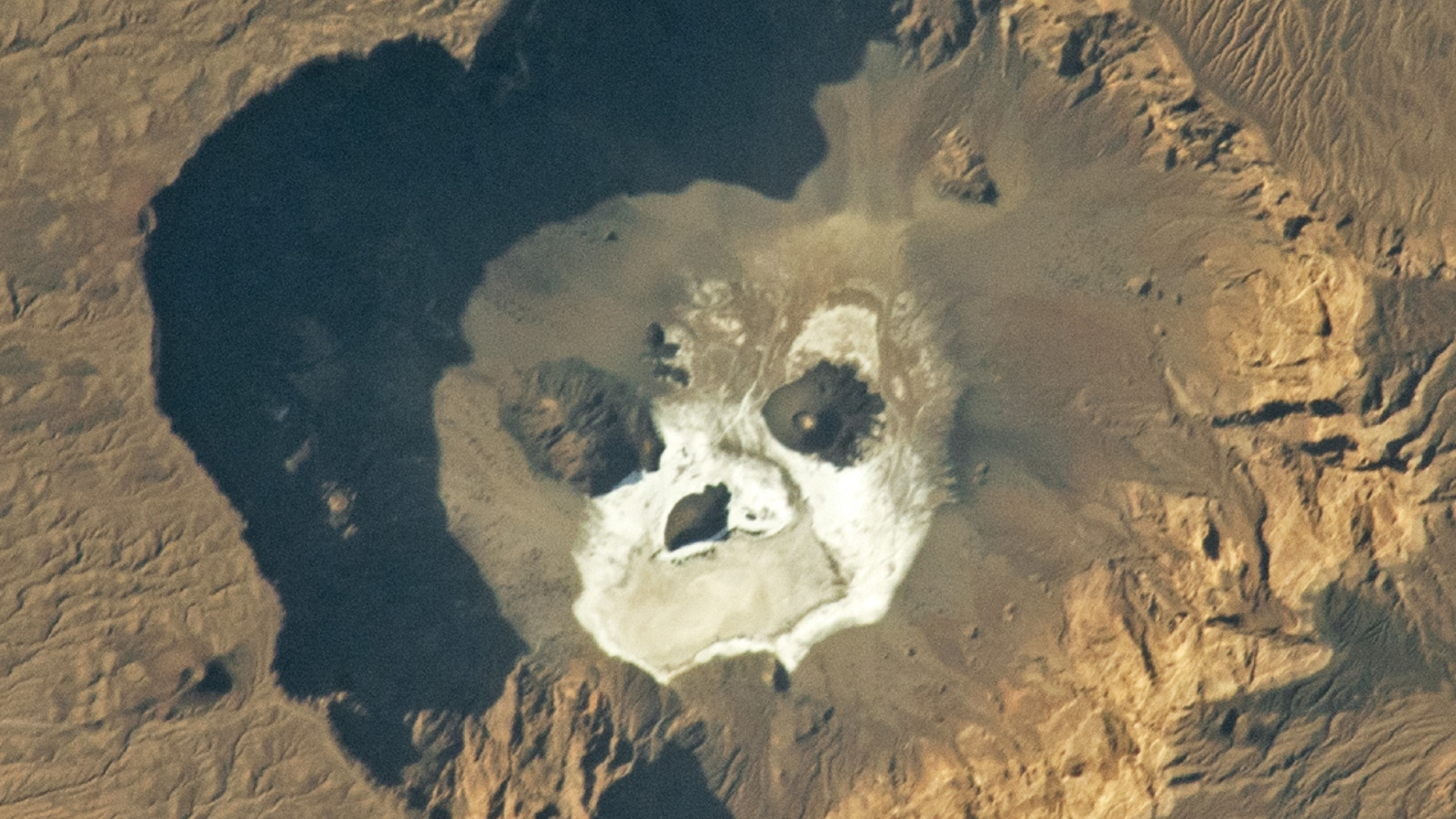 Glowering 'skull' stares upward from a giant volcanic pit in the Sahara
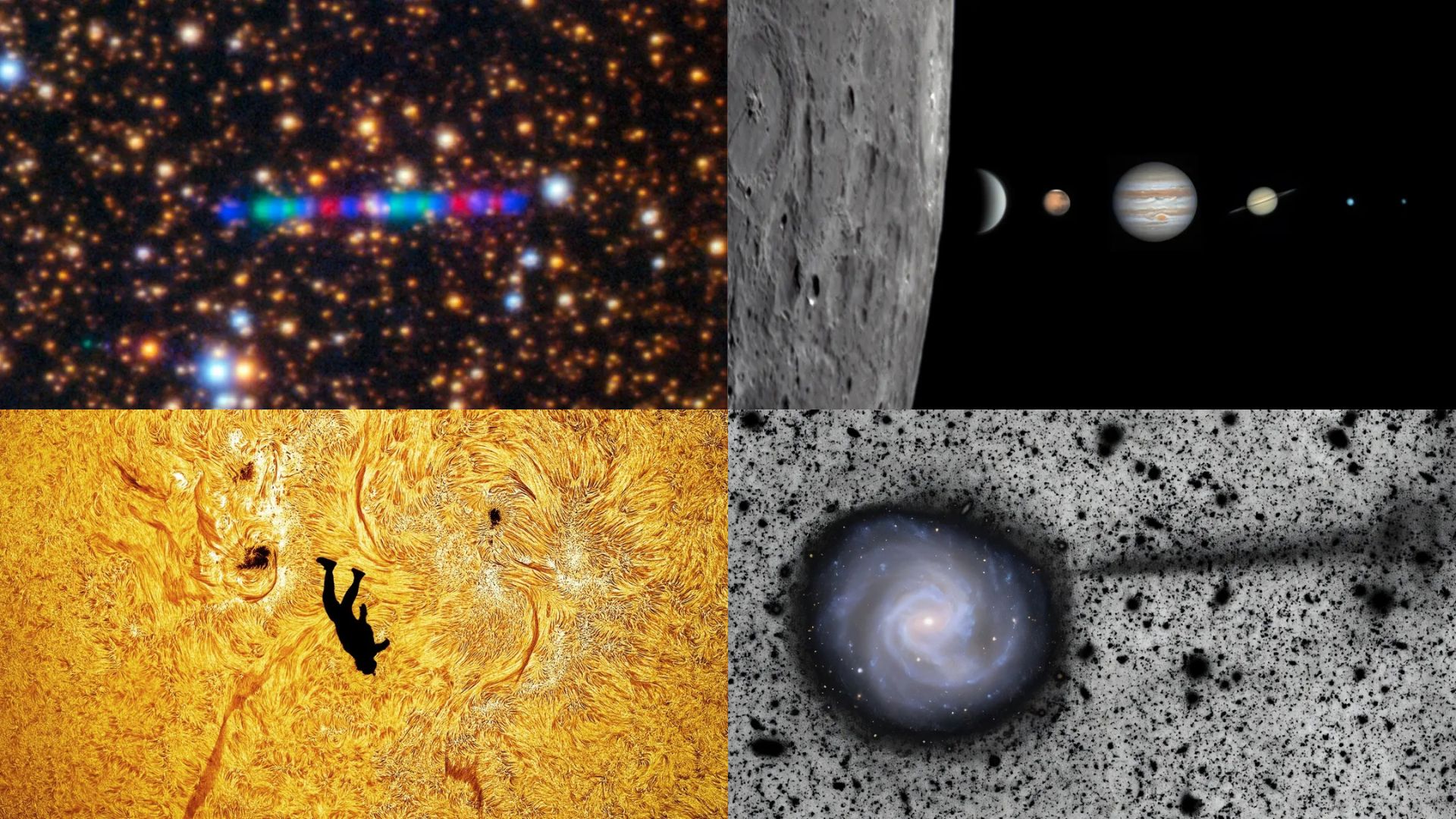 Best space photos of 2025
Latest in Weather
Best space photos of 2025
Latest in Weather
 Death Valley's 'world's hottest temperature' record may be due to a human error
 Bizarre, UFO-like halo of red light appears over small Italian town — for the second time in 3 years
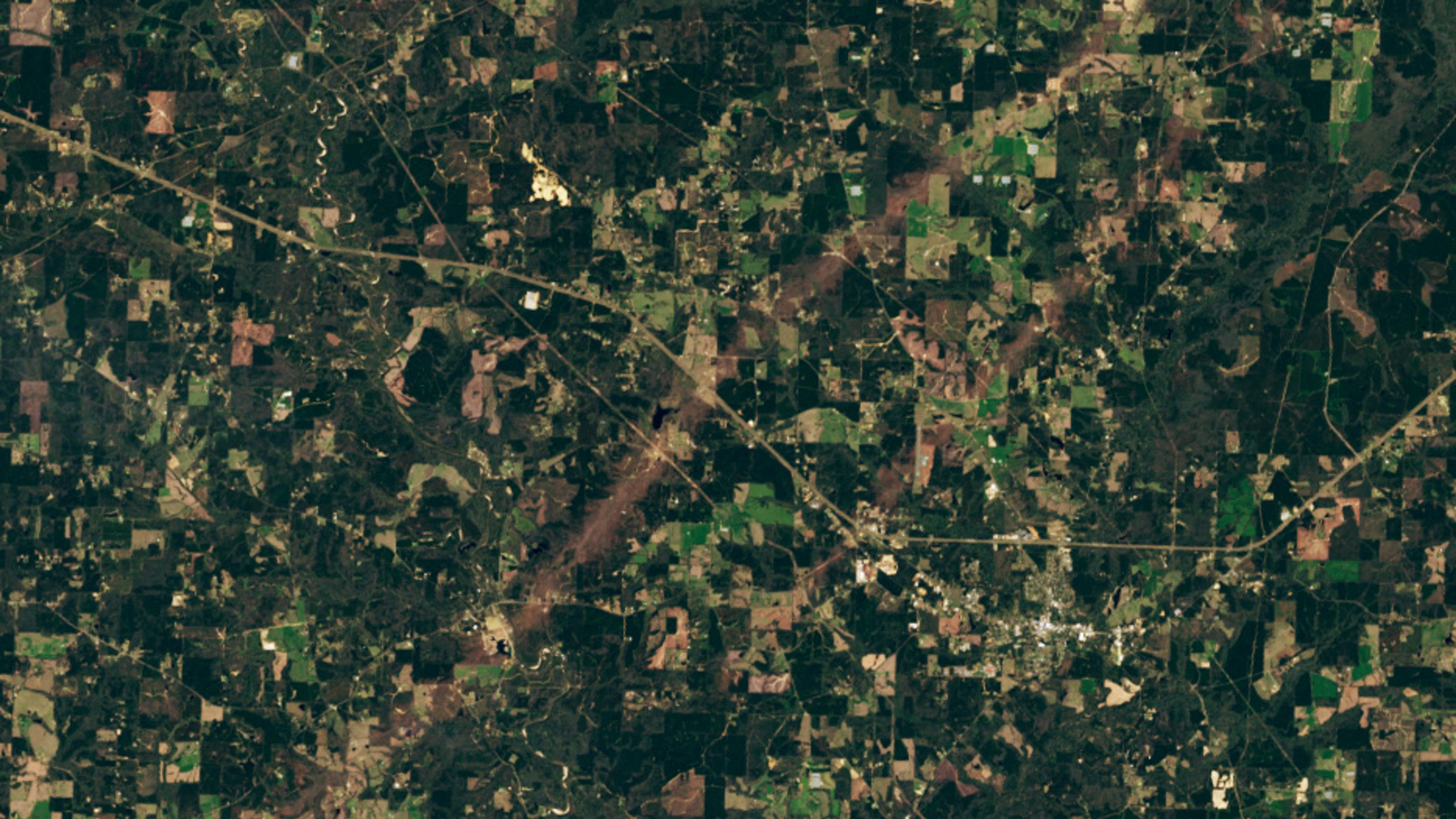 Twin tornadoes tear perfectly parallel tracks through Mississippi during deadly 'superstorm'
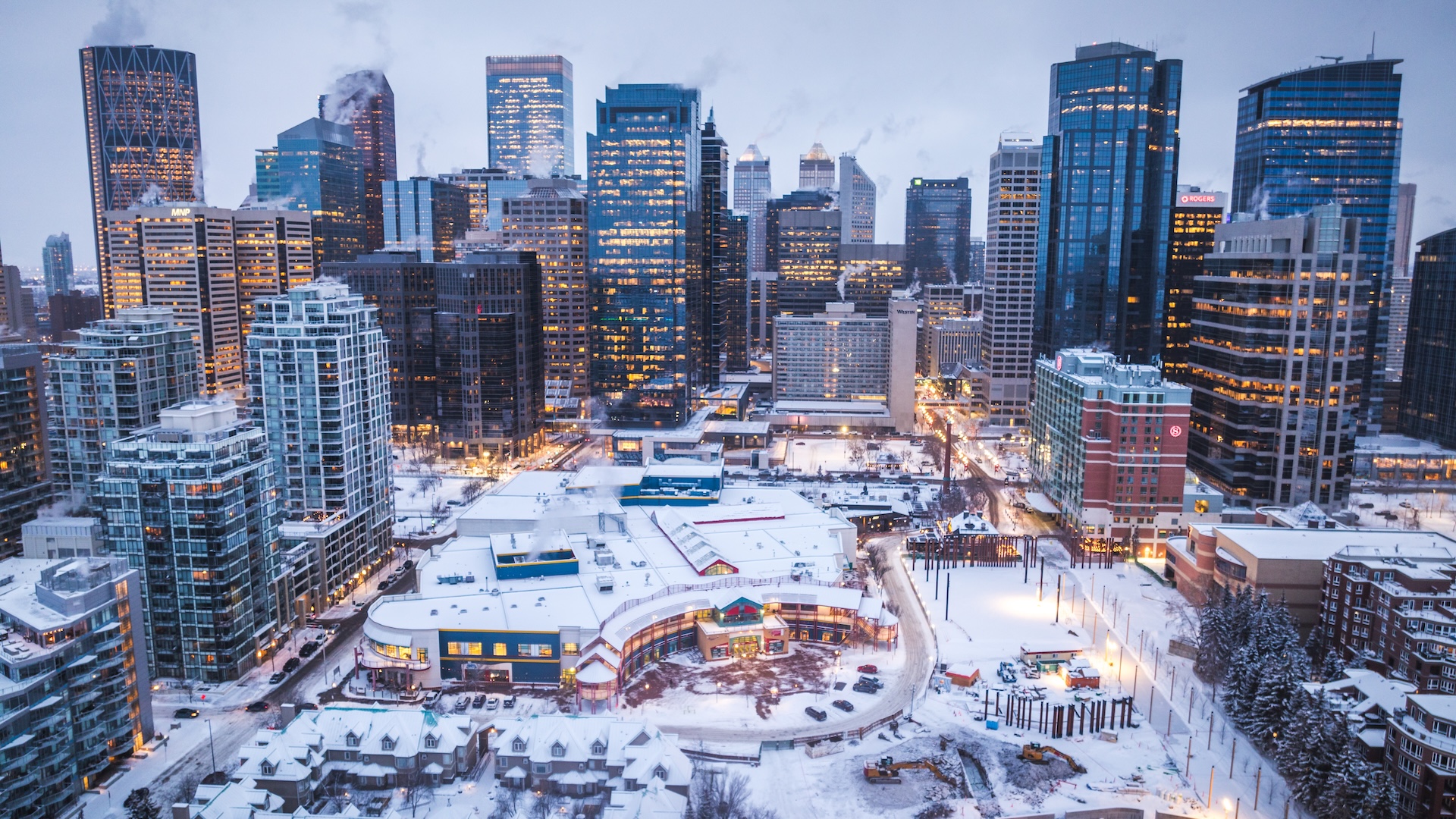 Why do European cities have milder winters than those in North America, despite being at the same latitude?
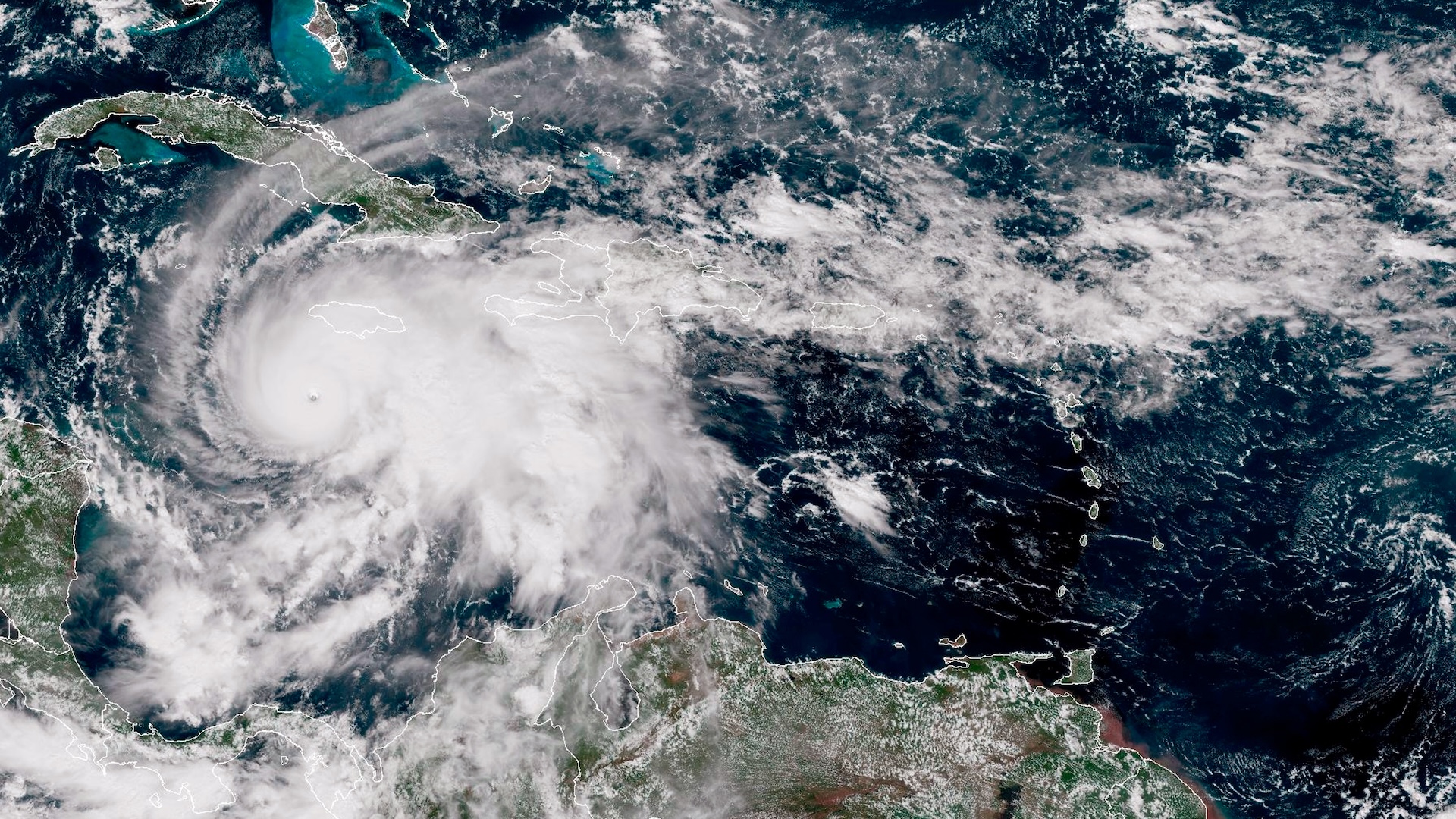 Watch Air Force fly inside the eye of Hurricane Melissa as experts warn 'storm of the century' will be catastrophic for Jamaica
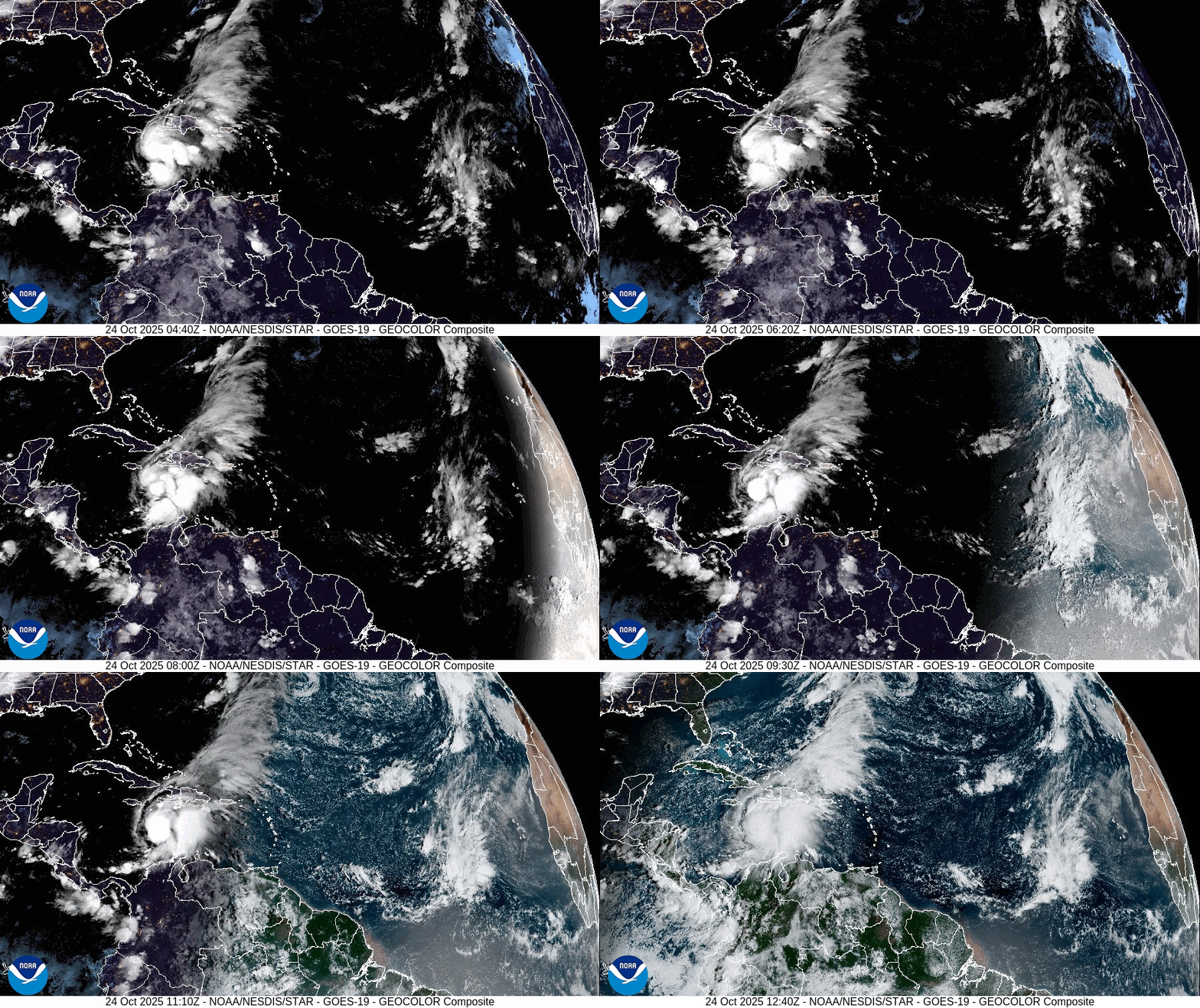 'Near stationary' Tropical Storm Melissa is moving slower than a person walking — and it may bring deadly flash floods to the Caribbean
Latest in Features
'Near stationary' Tropical Storm Melissa is moving slower than a person walking — and it may bring deadly flash floods to the Caribbean
Latest in Features
 Science history: Anthropologist sees the face of the 'Taung Child' — and proves that Africa was the cradle of humanity — Dec. 23, 1924
 What's the fastest a human can grow?
 Glittering new James Webb telescope image shows an 'intricate web of chaos' — Space photo of the week
 Interstellar comet 3I/ATLAS is rapidly moving away from us. Can we 'intercept' it before it leaves us forever?
 Why is Venus so bright?
Rare dusting of snow covers one of the driest place on Earth and shuts down massive radio telescope
LATEST ARTICLES
Why is Venus so bright?
Rare dusting of snow covers one of the driest place on Earth and shuts down massive radio telescope
LATEST ARTICLES- 1Science history: Anthropologist sees the face of the 'Taung Child' — and proves that Africa was the cradle of humanity — Dec. 23, 1924
- 22,300-year-old Celtic gold coins found in Swiss bog
- 3Best space photos of 2025
- 43,300-year-old cremations found in Scotland suggest the people died in a mysterious catastrophic event
- 5Scientists claim 'Lucy' may not be our direct ancestor after all, stoking fierce debate