- Archaeology
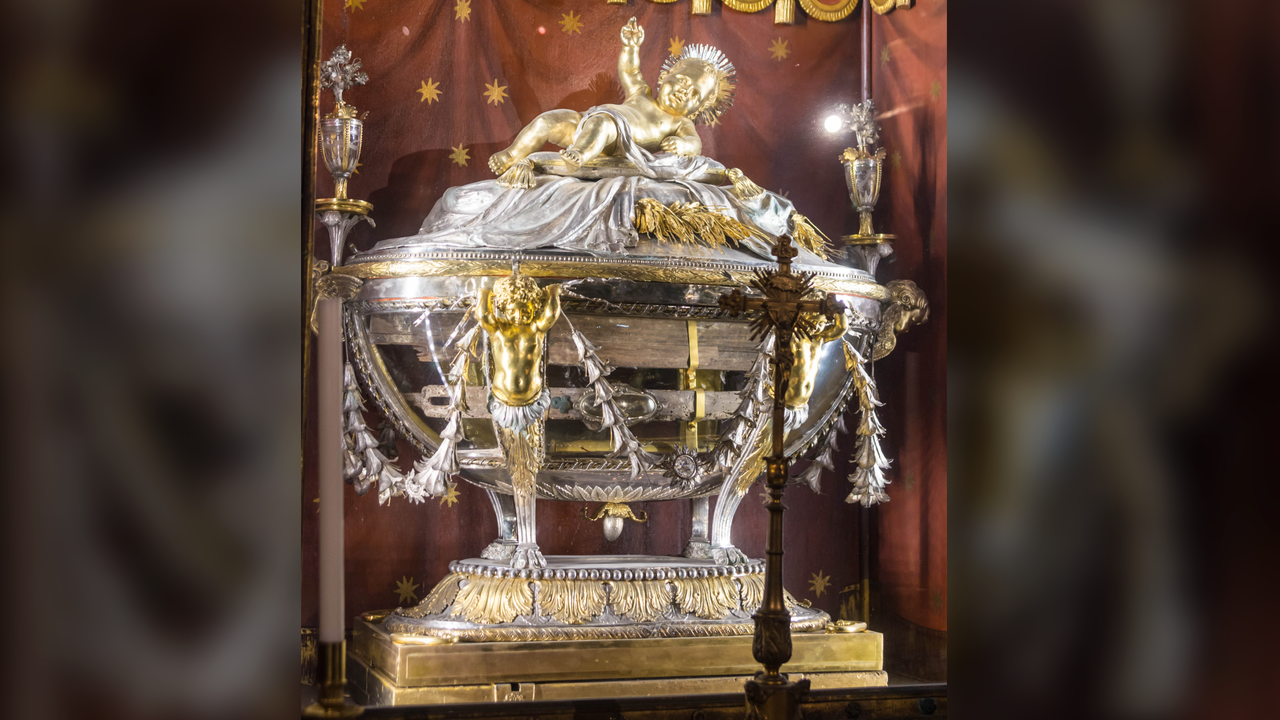
Five pieces of wood in a silver-and-gold container at a basilica in Rome may be the remains of the manger Jesus was laid on when he was born.
When you purchase through links on our site, we may earn an affiliate commission. Here’s how it works.
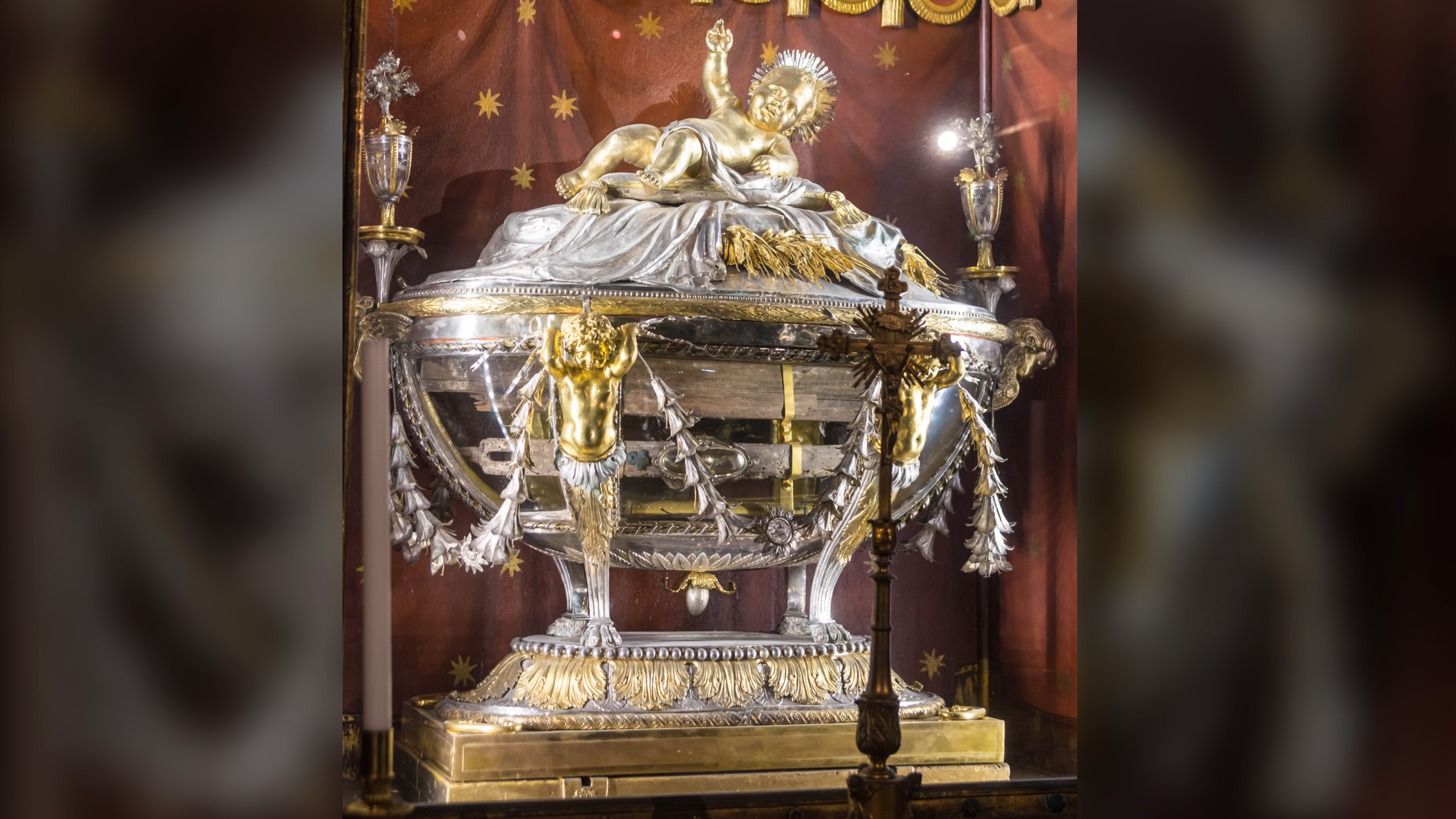 Wood slats from the Holy Crib are encased in a reliquary and are on display at Santa Maria Maggiore in Rome.
(Image credit: Antoine Taveneaux/Wikimedia Commons (CC BY-SA 3.0))
Share
Share by:
Wood slats from the Holy Crib are encased in a reliquary and are on display at Santa Maria Maggiore in Rome.
(Image credit: Antoine Taveneaux/Wikimedia Commons (CC BY-SA 3.0))
Share
Share by:
- Copy link
- X
Name: Holy Crib
What it is: Five pieces of sycamore wood
Where it is from: Jerusalem
When it was made: Circa 4 to 6 B.C.
In the 640s, Sophronius, the patriarch of Jerusalem, sent several unassuming wooden slats to Rome for safekeeping after the Muslim conquest of Jerusalem. Sophronius asked Pope Theodore I to protect the pieces of wood, which he said were the remains of the Holy Crib — Jesus' manger.
According to Monsignor Piero Marini, who is the guardian of the Holy Crib, four of the wooden slats once formed two X's, while the fifth slat ran down the middle to hold them together. Wooden mangers in the late first century B.C. would have been topped with straw for animals to eat. But this particular manger is much more significant: It is said to have once held the baby Jesus.
You may like-
 Magdala stone: 2,000-year-old carving from Jerusalem is world's oldest known depiction of a menorah
-
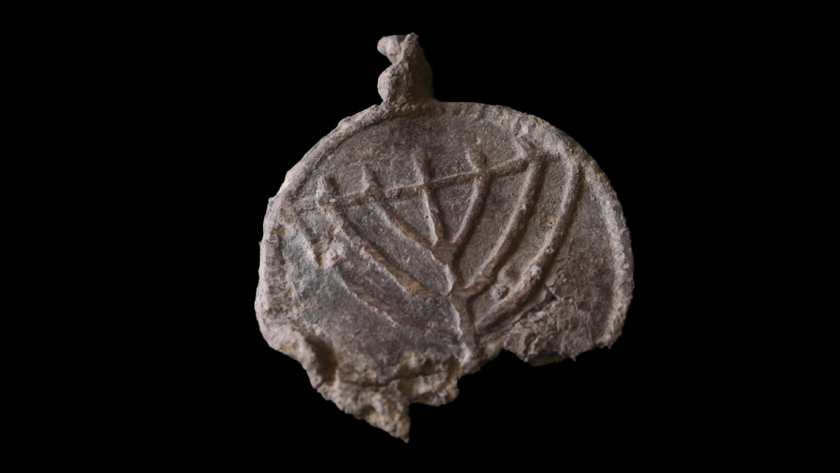 Rare 1,300-year-old medallion decorated with menorahs found near Jerusalem's Temple Mount
-
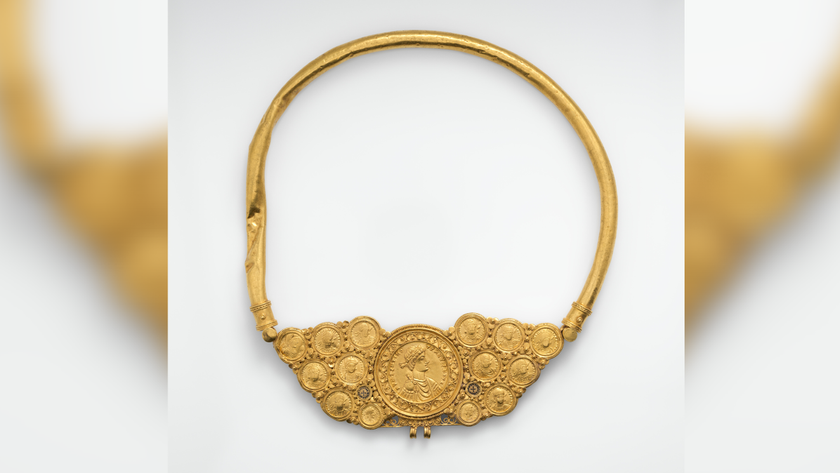 Pectoral with coins: 'One of the most intricate pieces of gold jewelry to survive from the mid-sixth century'
The Gospel of Luke mentions that Jesus was born in Bethlehem. Because there was nowhere for Mary and Joseph to stay in town, the newborn Jesus was laid in a manger. Many biblical scholars believe that Jesus was born between 6 and 4 B.C. And while his birth is celebrated on Dec. 25 every year, scholars are unsure of his exact birth date.
The first historical mention of the manger pieces comes from Origen, an early Christian scholar, who wrote in A.D. 220 that the crib was preserved in Bethlehem, according to Marini. Then, around A.D. 400, St. Jerome discussed the Holy Crib and many people's pilgrimages to it in the Grotto of the Nativity in Bethlehem. Ever since the wood pieces made their way to Rome in the seventh century, the manger has remained in Santa Maria Maggiore.
In 1894, abbot Giuseppe Cozza-Luzi was the first to study the remains of the Holy Crib. His examination revealed that there are two longer pieces of wood and three shorter pieces — ranging from about 25 to 33.5 inches (64 to 85 centimeters) in length — and that all of them had been damaged over time. Several of the wooden pieces also had holes and traces of metal, suggesting they had once been constructed into a manger.
MORE ASTONISHING ARTIFACTS—Magdala stone: 2,000-year-old carving from Jerusalem is world's oldest known depiction of a menorah
—Ash Pendant: The only known depiction of a pregnant Viking woman
—Roman sun hat: A 'very rare' 1,600-year-old brimmed cap that may have shaded a Roman soldier from the Egyptian sun
Based on a microscopic analysis of a small piece of wood that had been removed in the 1600s, Cozza-Luzi concluded that the wood was a kind of hard maple, possibly sycamore. The type of wood, the form of the slats, and the evidence of construction — along with historical references — all suggested to him that the Holy Crib remains were part of an authentic ancient manger from the Jerusalem area.
Sign up for the Live Science daily newsletter nowContact me with news and offers from other Future brandsReceive email from us on behalf of our trusted partners or sponsorsBy submitting your information you agree to the Terms & Conditions and Privacy Policy and are aged 16 or over.In 2019, experts restored the wooden slats, and Pope Francis took the opportunity to give a small piece of the crib back to the Holy Land, with a plaque that read "Ex cunis Iesu Infantis," meaning "From the crib of the Infant Jesus."
Each year, many Christians visit the Holy Crib during the annual Christmas Eve mass at midnight at Santa Maria Maggiore, which is also called Santa Maria ad Praesepe (St. Mary of the Crib) and the "Bethlehem of the West" for its association with Mary and her baby's manger.
For more stunning archaeological discoveries, check out our Astonishing Artifacts archives.
What do you know about Jesus Christ, the man? Test your knowledge of biblical archaeology
 Kristina KillgroveSocial Links NavigationStaff writer
Kristina Killgrove is a staff writer at Live Science with a focus on archaeology and paleoanthropology news. Her articles have also appeared in venues such as Forbes, Smithsonian, and Mental Floss. Kristina holds a Ph.D. in biological anthropology and an M.A. in classical archaeology from the University of North Carolina, as well as a B.A. in Latin from the University of Virginia, and she was formerly a university professor and researcher. She has received awards from the Society for American Archaeology and the American Anthropological Association for her science writing.
Read more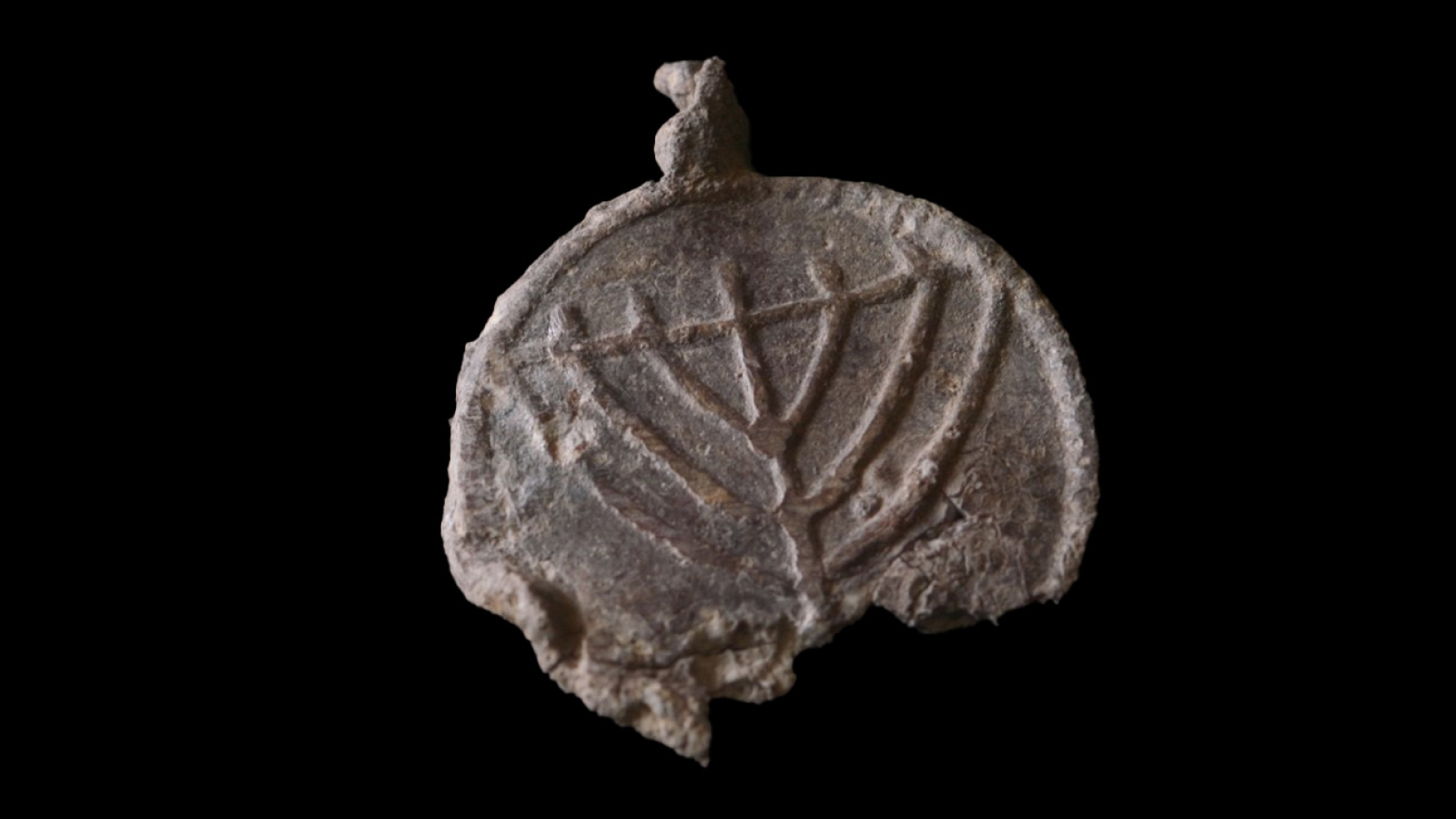 Rare 1,300-year-old medallion decorated with menorahs found near Jerusalem's Temple Mount
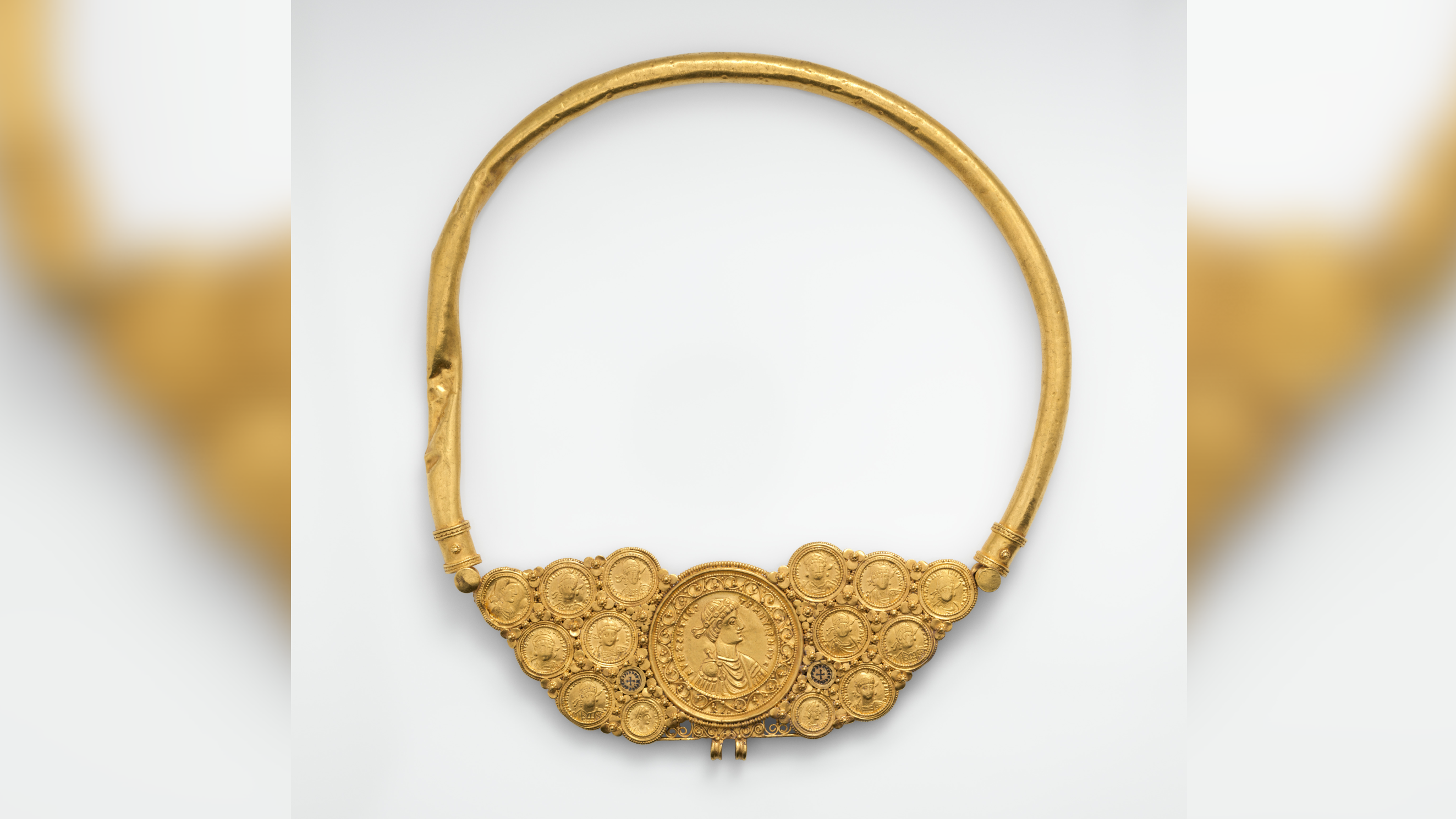 Pectoral with coins: 'One of the most intricate pieces of gold jewelry to survive from the mid-sixth century'
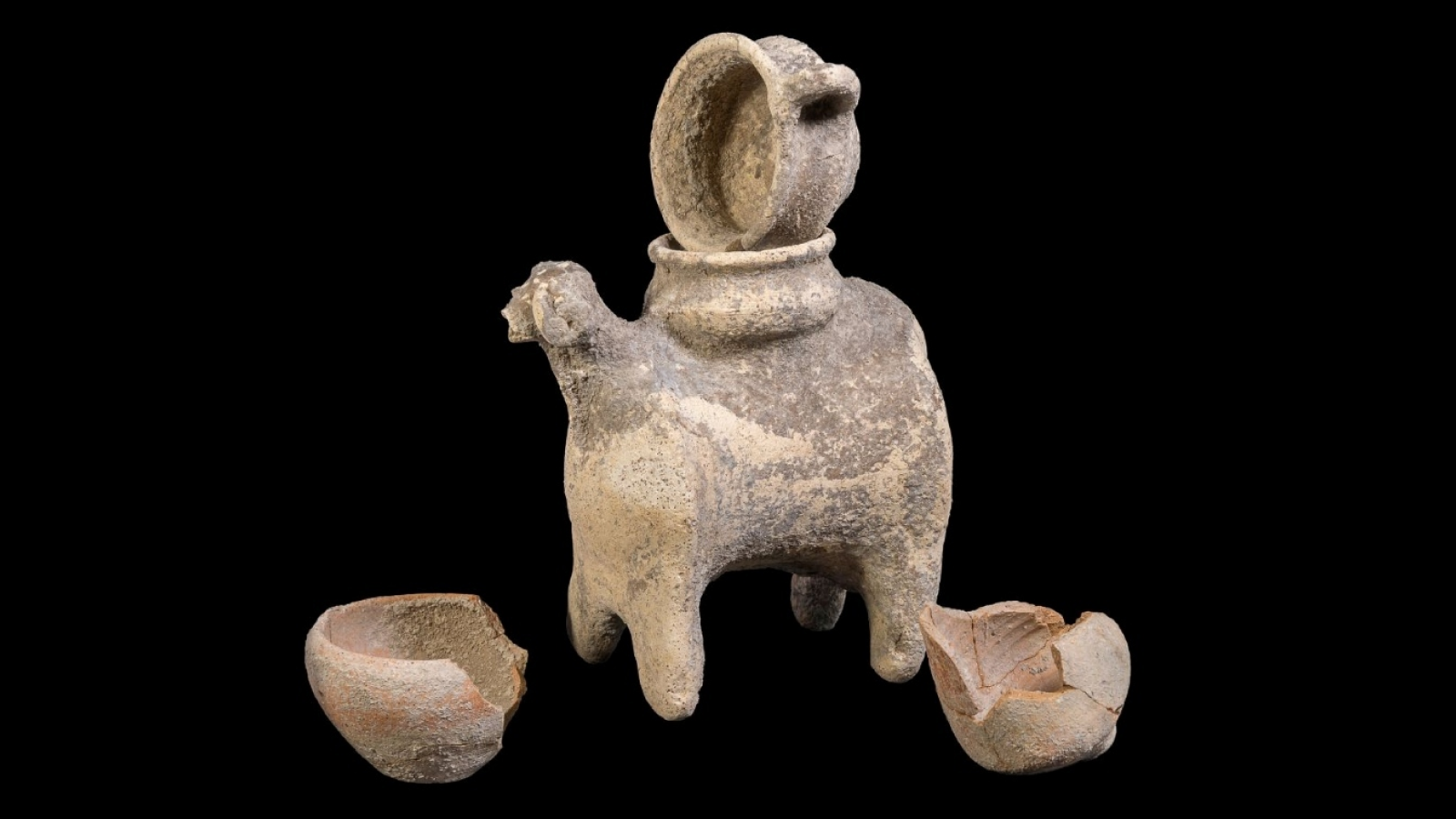 Ram-shaped teapot from ancient Canaanite cult discovered near ancient city of Armageddon
 'Gold coins started appearing one after another': 1,400-year-old hoard with money and jewelry unearthed near Sea of Galilee
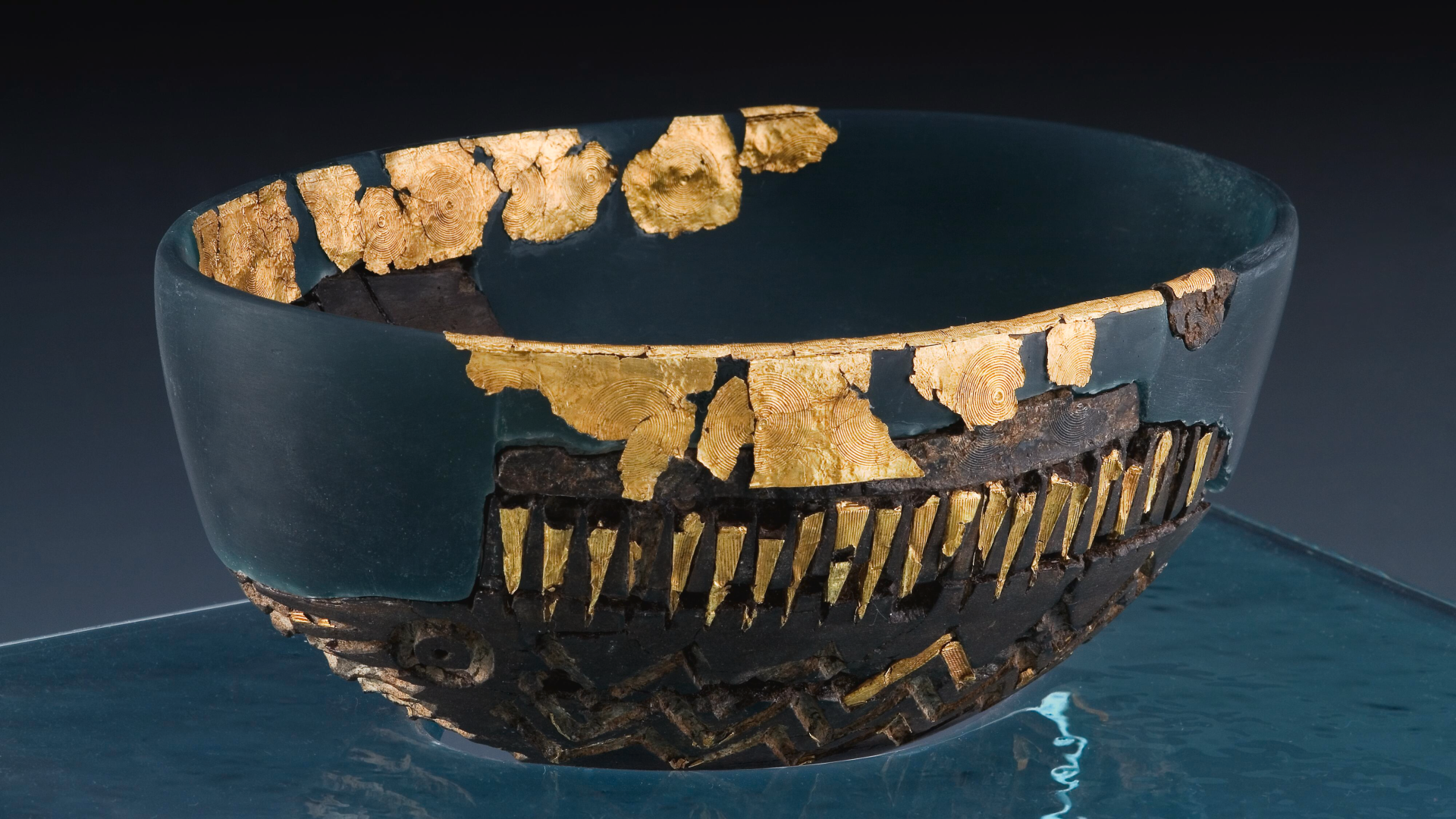 Caergwrle Bowl: A 3,300-year-old stone-and-tin bowl with gold oars and 'protective eyes'
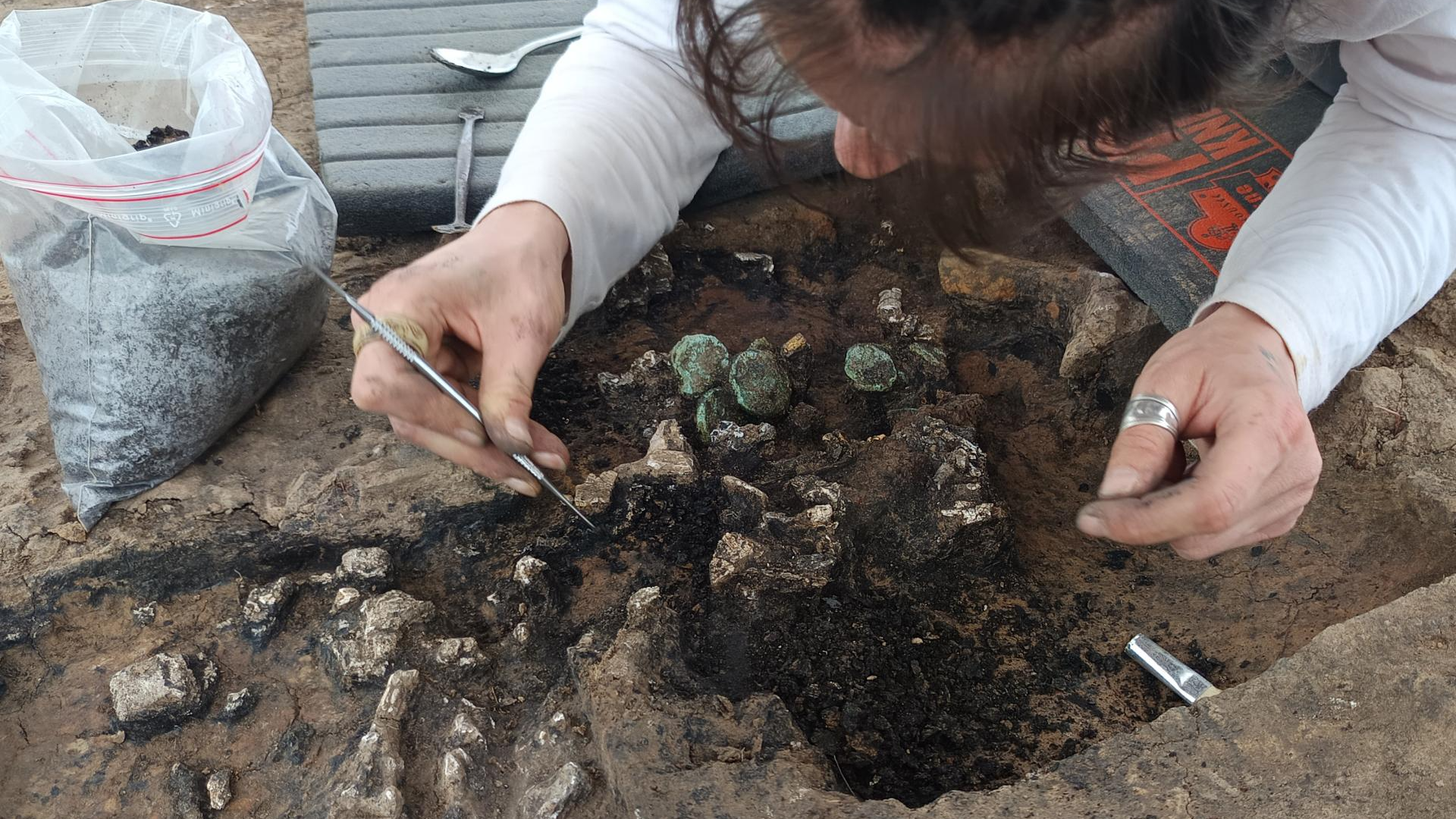 2,000-year-old gold ring holds clue about lavish cremation burial unearthed in France
Latest in Archaeology
2,000-year-old gold ring holds clue about lavish cremation burial unearthed in France
Latest in Archaeology
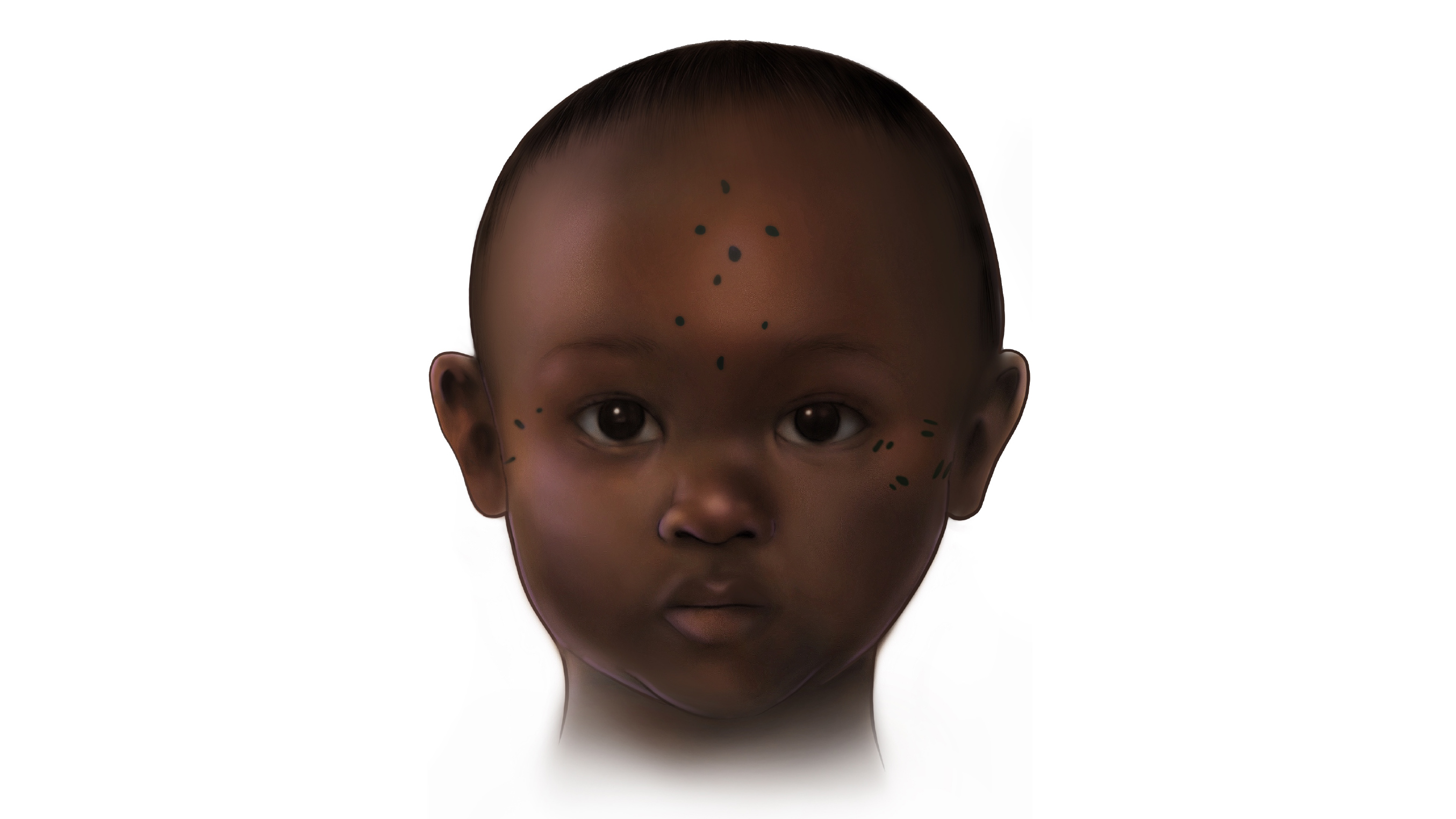 1,400 years ago, Nubians tattooed their toddlers. Archaeologists are trying to figure out why.
 Diarrhea and stomachaches plagued Roman soldiers stationed at Hadrian's Wall, discovery of microscopic parasites finds
 Oldest known evidence of father-daughter incest found in 3,700-year-old bones in Italy
Rare 1,300-year-old medallion decorated with menorahs found near Jerusalem's Temple Mount
Oldest known evidence of father-daughter incest found in 3,700-year-old bones in Italy
Rare 1,300-year-old medallion decorated with menorahs found near Jerusalem's Temple Mount
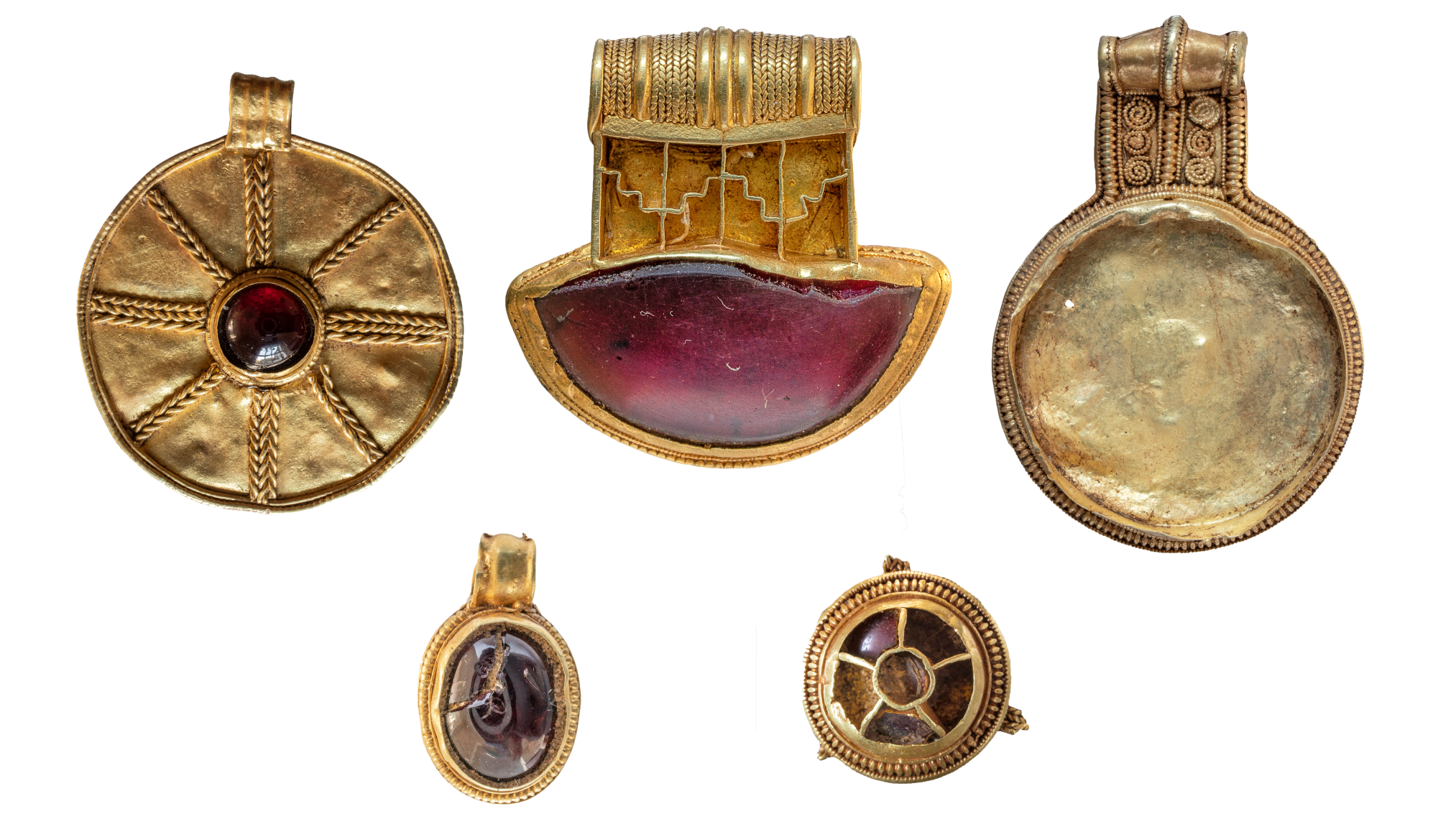 Detectorists find Anglo-Saxon treasure hoard that may have been part of a 'ritual killing'
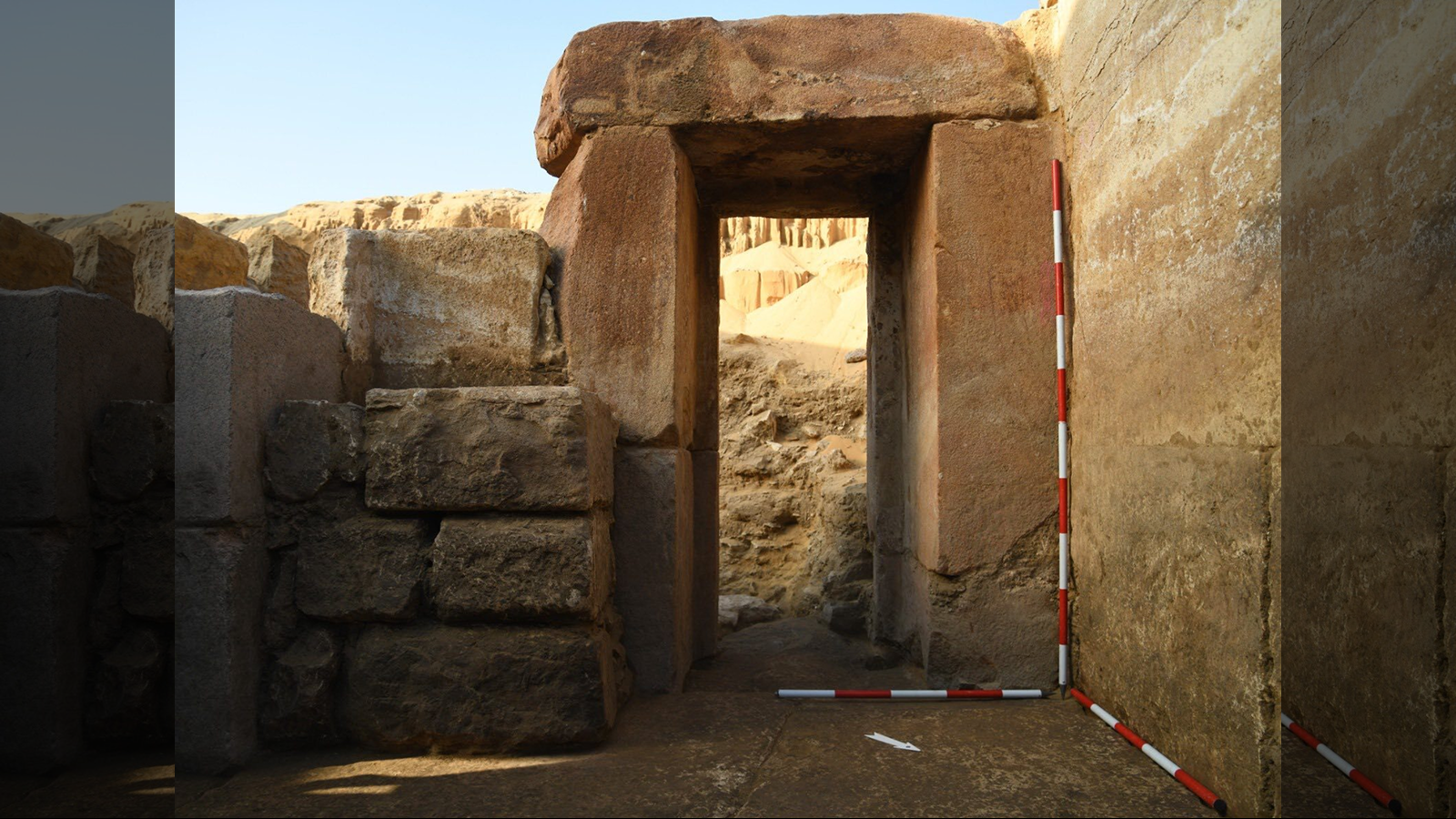 Ancient Egyptian valley temple excavated — and it's connected to a massive upper temple dedicated to the sun god, Ra
Latest in Features
Ancient Egyptian valley temple excavated — and it's connected to a massive upper temple dedicated to the sun god, Ra
Latest in Features
 What's the fastest a human can grow?
 Glittering new James Webb telescope image shows an 'intricate web of chaos' — Space photo of the week
 Interstellar comet 3I/ATLAS is rapidly moving away from us. Can we 'intercept' it before it leaves us forever?
 Why is Venus so bright?
 An otherwise 'fit' man had a stroke after drinking 8 'high-potency' energy drinks a day
 Science history: Norwegian explorer wins the treacherous race to the South Pole, while British rival perishes along with his crew — Dec. 14, 1911
LATEST ARTICLES
Science history: Norwegian explorer wins the treacherous race to the South Pole, while British rival perishes along with his crew — Dec. 14, 1911
LATEST ARTICLES 1The self-gifter's Christmas: Treat yourself to gear you'll actually want this Christmas
- 2Glittering new James Webb telescope image shows an 'intricate web of chaos' — Space photo of the week
- 3Why is Venus so bright?
- 4Celestron Showdown: Battle of the 10x42s
- 5Japan laser weapon trial, comet 3I/ATLAS bids farewell, and AI solves 'impossible' math problems