- Archaeology
Five urns holding cremated human remains from 3,300 years ago have been discovered in Scotland.
When you purchase through links on our site, we may earn an affiliate commission. Here’s how it works.
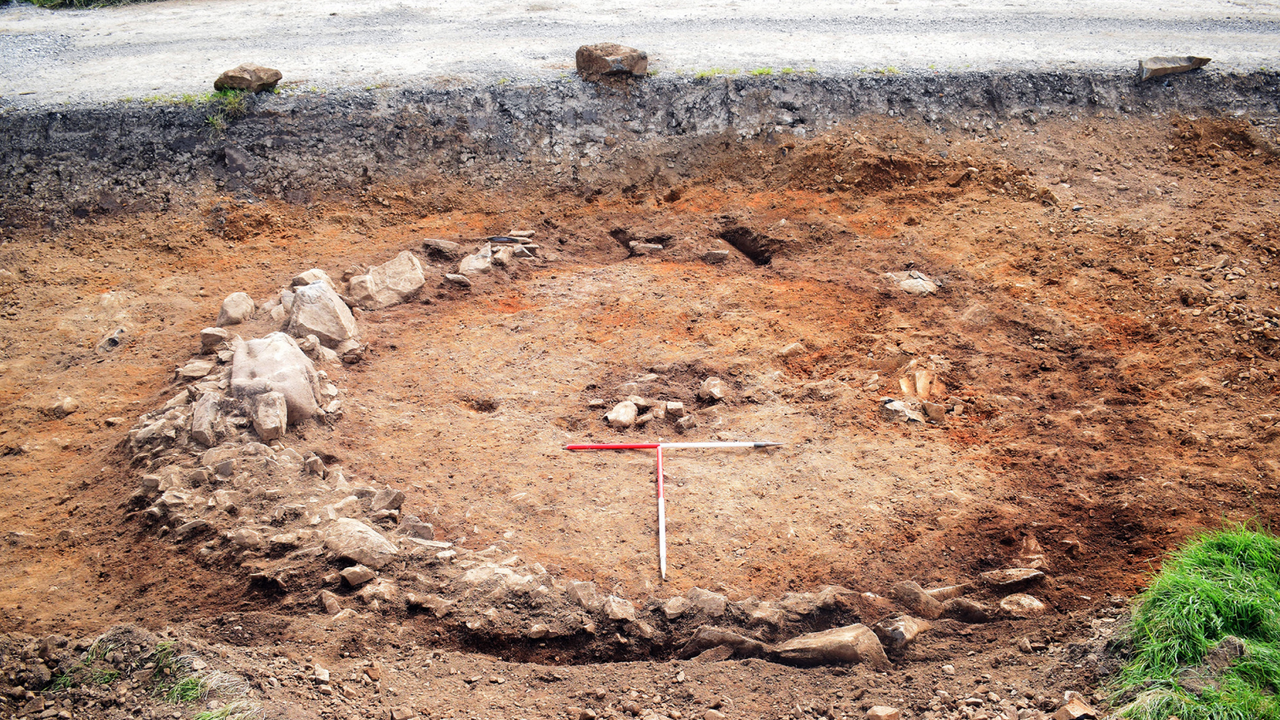
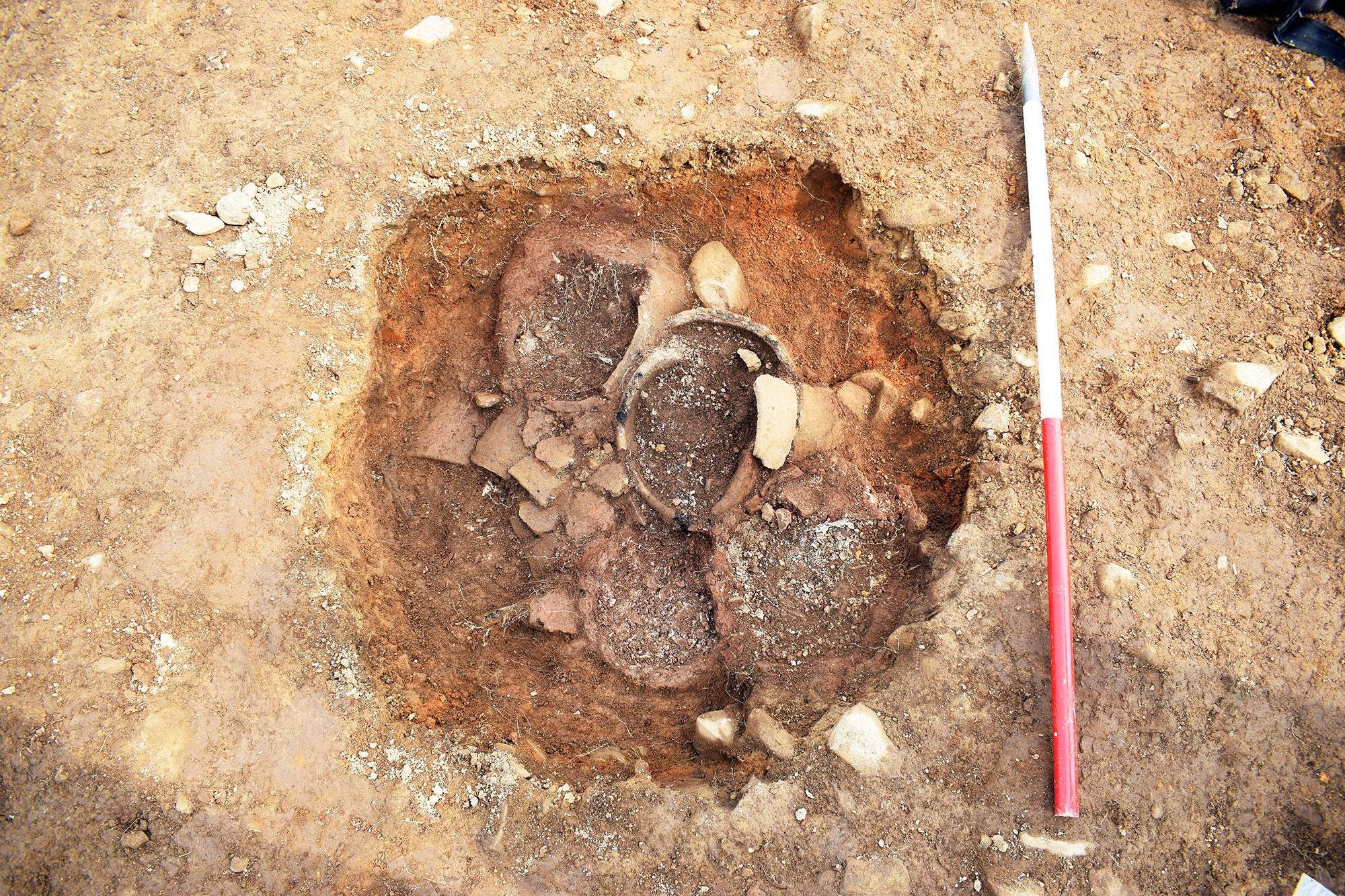
 The five urns contain the remains of eight individuals. Three of the urns each have two people — a juvenile and an adult, or three juveniles and three adults in total — while the other two have one adult each.
(Image credit: © GUARD Archaeology Ltd)
Share
Share by:
The five urns contain the remains of eight individuals. Three of the urns each have two people — a juvenile and an adult, or three juveniles and three adults in total — while the other two have one adult each.
(Image credit: © GUARD Archaeology Ltd)
Share
Share by:
- Copy link
- X
Archaeologists have discovered the 3,300-year-old cremated remains of at least eight people who were buried in five urns in Scotland. While it's unknown how they died, it was likely during some sort of catastrophic event.
The finding is unusual because, although many Bronze Age burial spots in Scotland were reused over the years, the newfound cremations "tell a different story," the researchers wrote in a new study, published recently in the journal Archaeology Reports Online. In this case, the urns were "tightly arranged, giving the impression of being buried collectively, and then remaining undisturbed except for modern plough damage," the team wrote.
You may like-
 2,000-year-old Celtic teenager may have been sacrificed and considered 'disposable'
-
 'We do not know of a similar case': 4,000-year-old burial in little-known African kingdom mystifies archaeologists
-
 French archaeologists uncover 'vast Roman burial area' with cremation graves 'fed' by liquid offerings
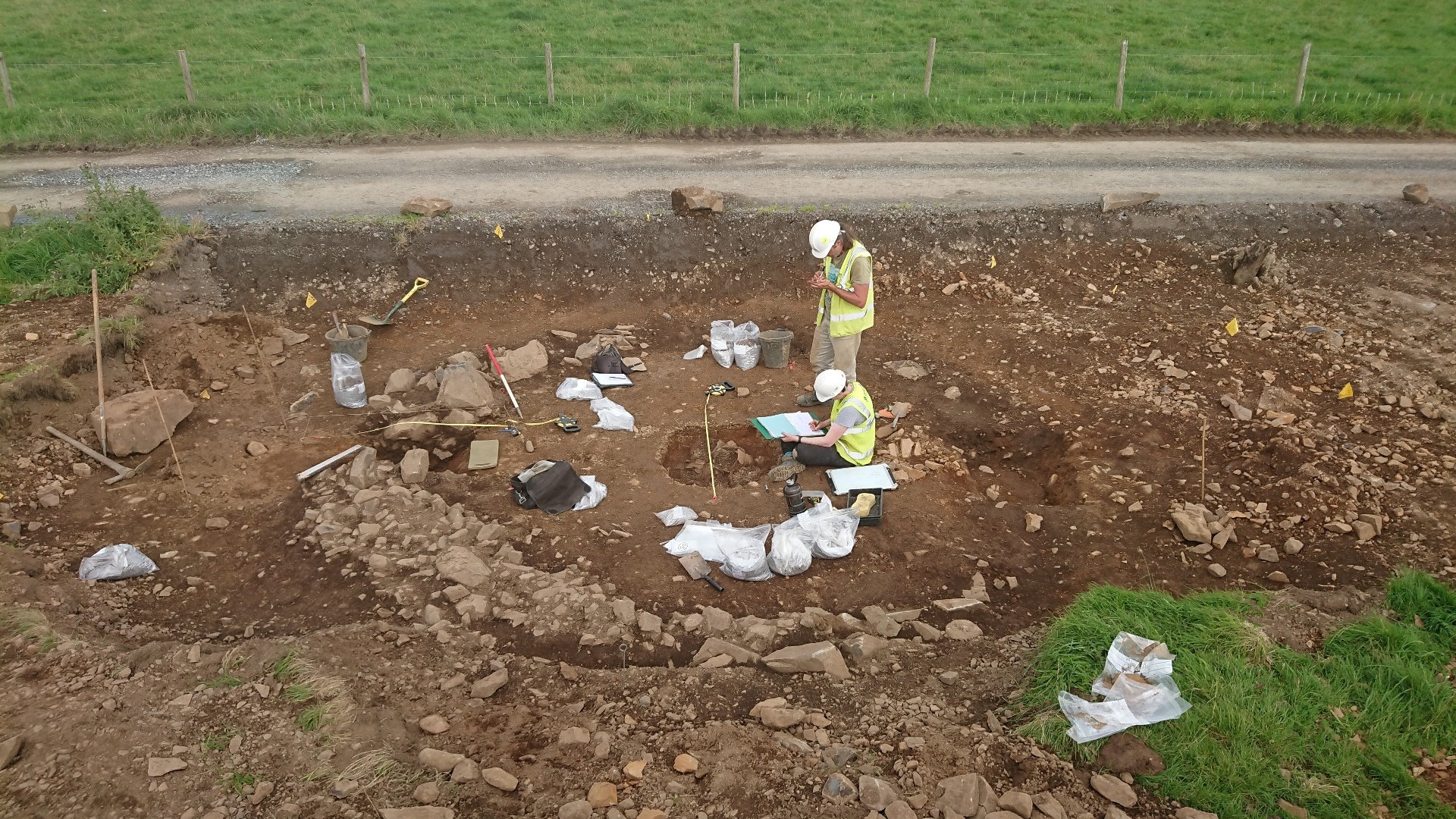
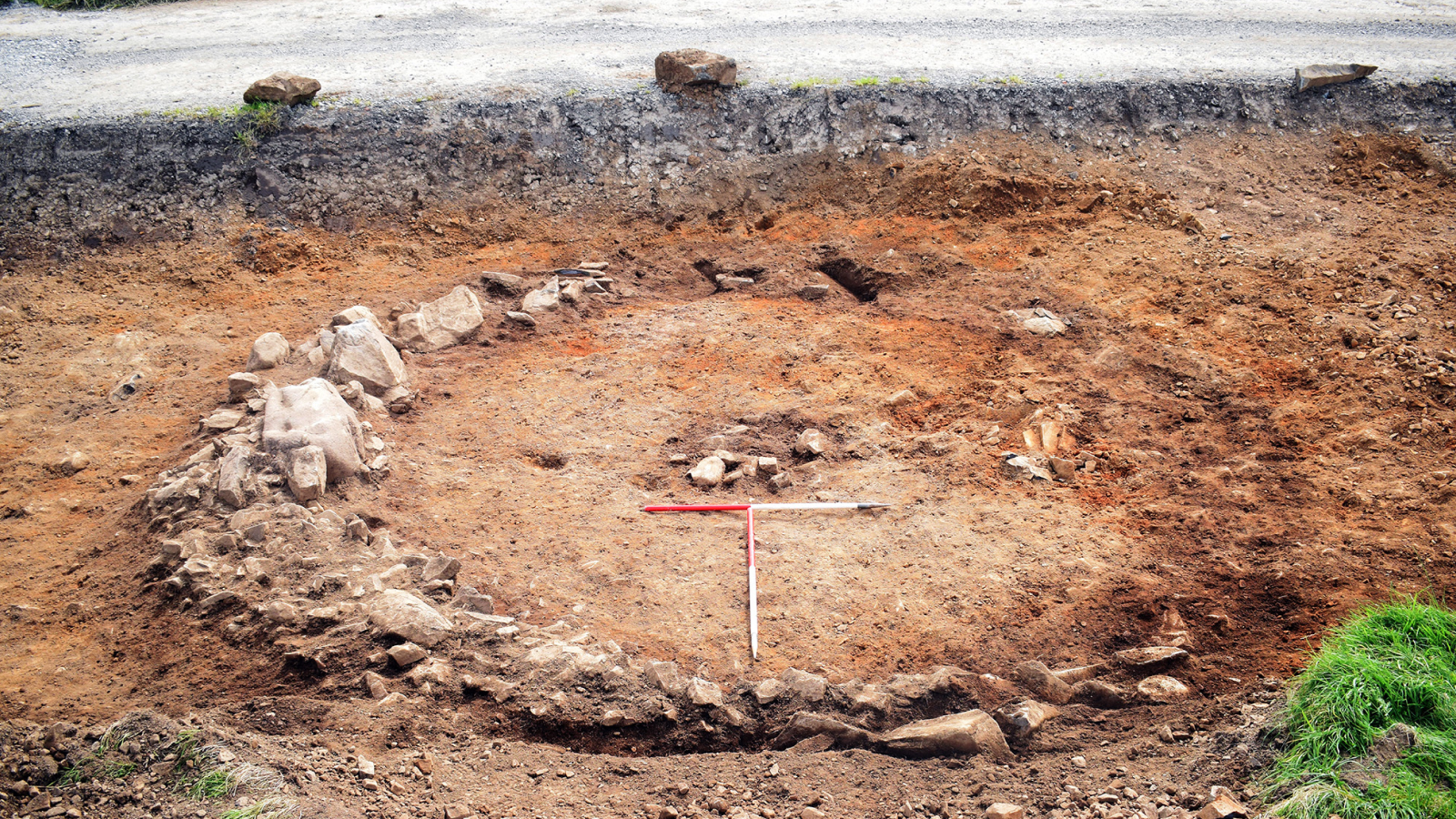
Three of the urns each contain the remains of an adult and a juvenile, while the other two each contain only one adult. The burial was found at Twentyshilling Hill, which is near Twentyshilling Hill Wind Farm in southwest Scotland, during excavations conducted in 2020 and 2021 while an access road to the wind farm was being built. The excavations were conducted by a team from Guard Archaeology, a company that undertakes archaeological excavations during or before construction.
"The discovery of five urns tightly packed together at the same time in one mass burial event is very rare and distinguishes the Twentyshilling Barrow from other barrows in Scotland," the researchers wrote in the report.
The team suspects these eight individuals likely died around the same time, during a terrible event. It's unclear what that event was, but it could have been a famine, disease or war, Ronan Toolis, CEO of Guard Archaeology, told Live Science in an email.
They suspect the individuals died around the same time because the urns appear to have been made by the same craftsperson, Toolis said. Also, during that time, it was common for deceased people in this region to be left out long enough for their flesh to decompose before they were cremated. In this instance, however, the team found that the individuals still had some of their flesh when the cremation was done, which indicates that they had to be cremated in a hurry, the team noted.
Sign up for the Live Science daily newsletter nowContact me with news and offers from other Future brandsReceive email from us on behalf of our trusted partners or sponsorsBy submitting your information you agree to the Terms & Conditions and Privacy Policy and are aged 16 or over.
—'Ultimate adventure story': Submerged stone circles reveal perilous migration of prehistoric people to far northern Scotland 11,000 years ago
—'Remarkable' 1,000-year-old ring from Scotland's 'painted people' found at destroyed fort
—'Find of a lifetime': 15th-century gold and silver coins discovered by amateur metal detectorists in Scotland
These people would have been farmers, Toolis said. He noted that they likely lived near the burial spot, although their settlement has not been found.
This is "an area of Scotland where few such archaeological remains have so far been discovered, so future research may reveal much more about the context of this barrow," Toolis said.
 Owen JarusSocial Links NavigationLive Science Contributor
Owen Jarus is a regular contributor to Live Science who writes about archaeology and humans' past. He has also written for The Independent (UK), The Canadian Press (CP) and The Associated Press (AP), among others. Owen has a bachelor of arts degree from the University of Toronto and a journalism degree from Ryerson University.
Show More CommentsYou must confirm your public display name before commenting
Please logout and then login again, you will then be prompted to enter your display name.
Logout Read more 2,000-year-old Celtic teenager may have been sacrificed and considered 'disposable'
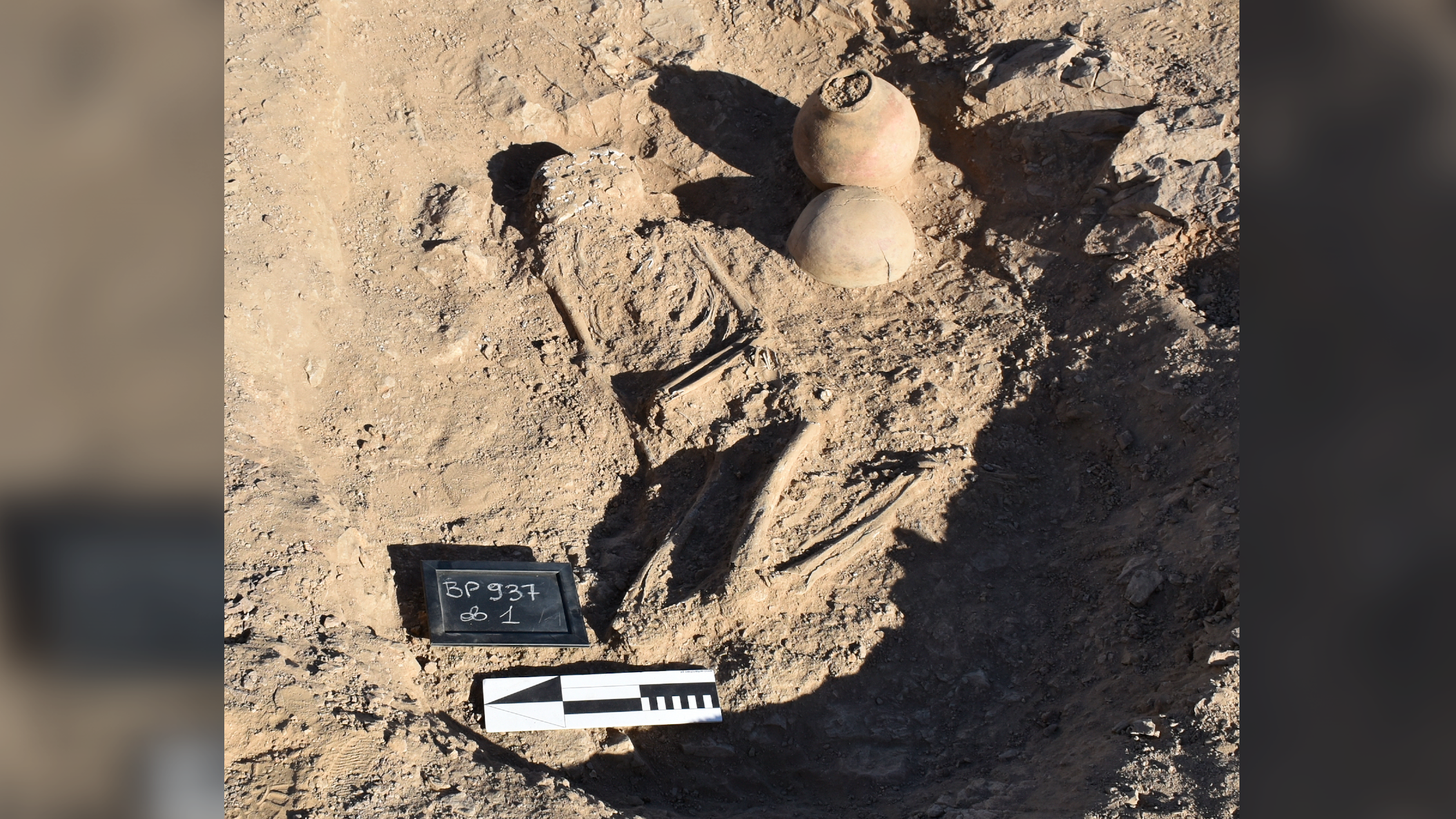 'We do not know of a similar case': 4,000-year-old burial in little-known African kingdom mystifies archaeologists
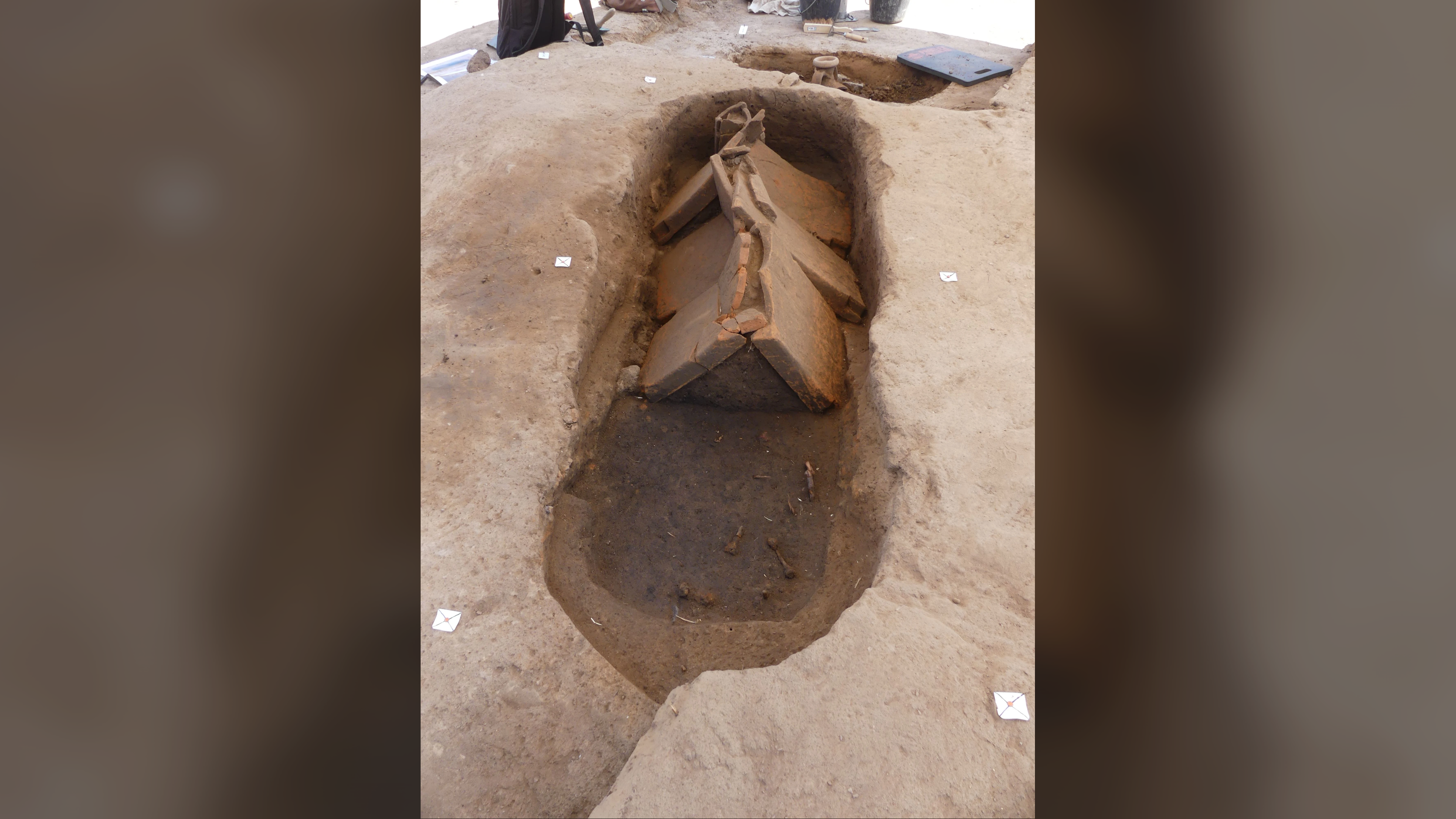 French archaeologists uncover 'vast Roman burial area' with cremation graves 'fed' by liquid offerings
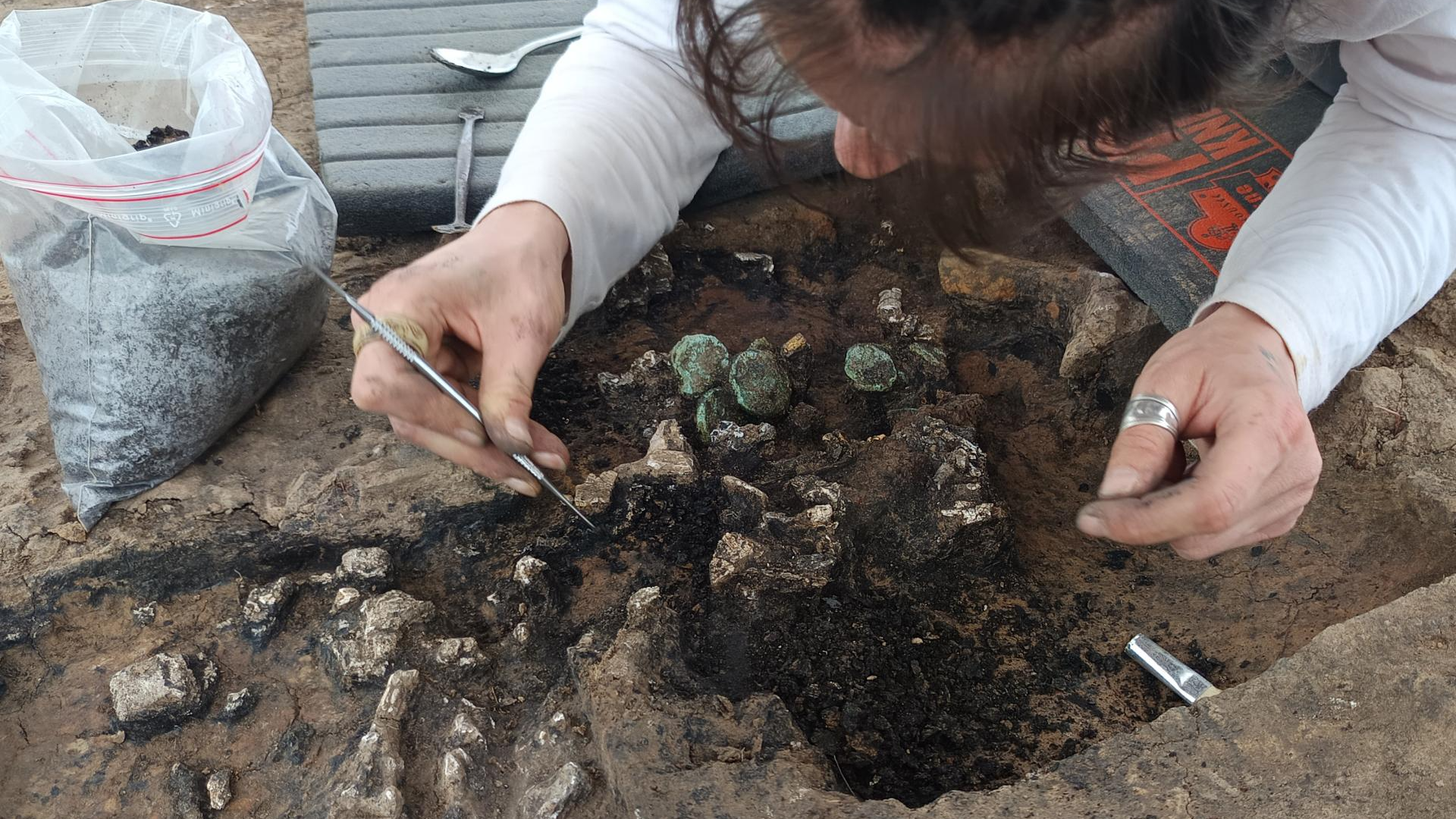 2,000-year-old gold ring holds clue about lavish cremation burial unearthed in France
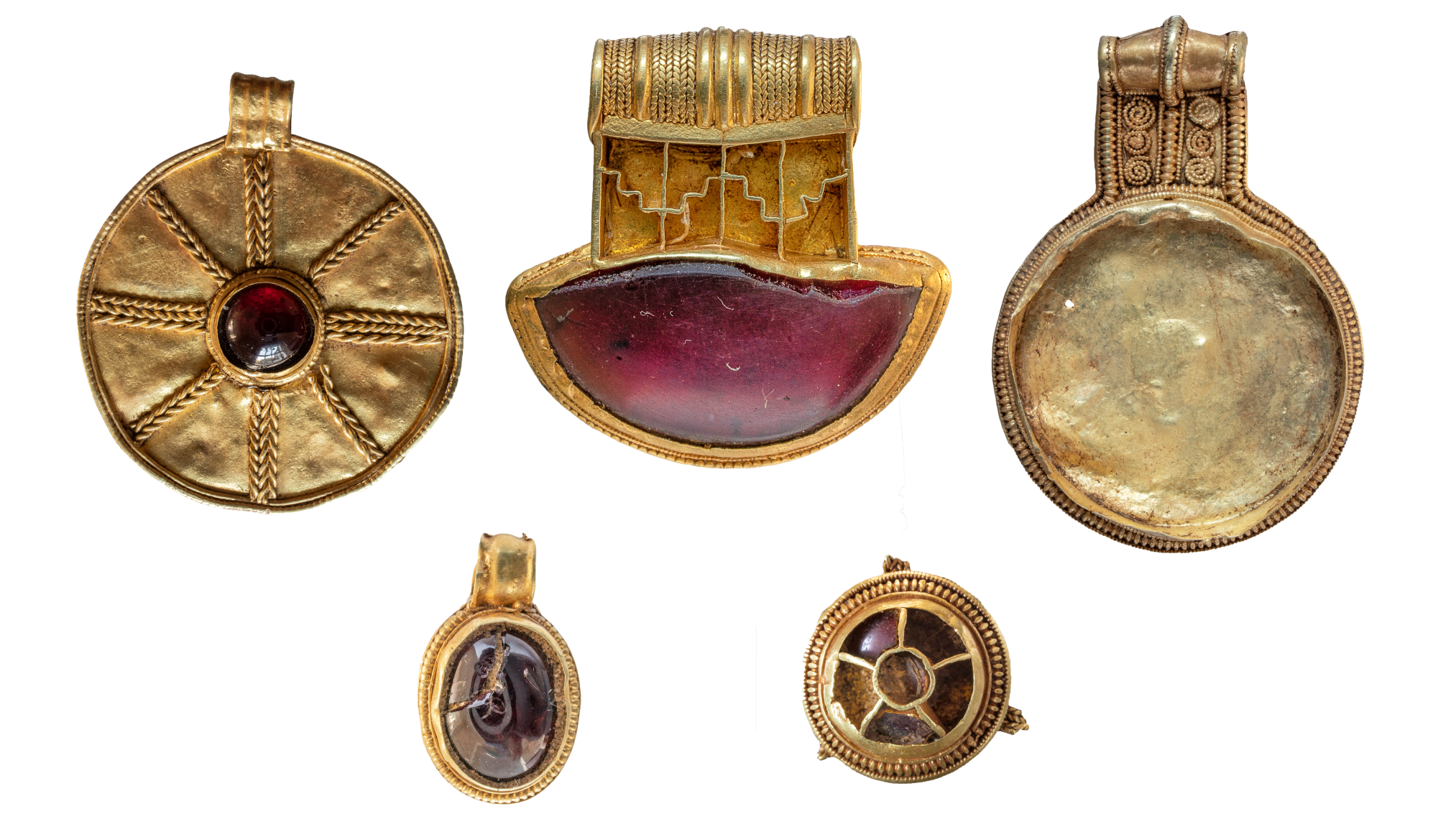 Detectorists find Anglo-Saxon treasure hoard that may have been part of a 'ritual killing'
 5,000-year-old skeleton masks and skull cups made from human bones discovered in China
Latest in Archaeology
5,000-year-old skeleton masks and skull cups made from human bones discovered in China
Latest in Archaeology
 1,400 years ago, Nubians tattooed their toddlers. Archaeologists are trying to figure out why.
 Diarrhea and stomachaches plagued Roman soldiers stationed at Hadrian's Wall, discovery of microscopic parasites finds
 Oldest known evidence of father-daughter incest found in 3,700-year-old bones in Italy
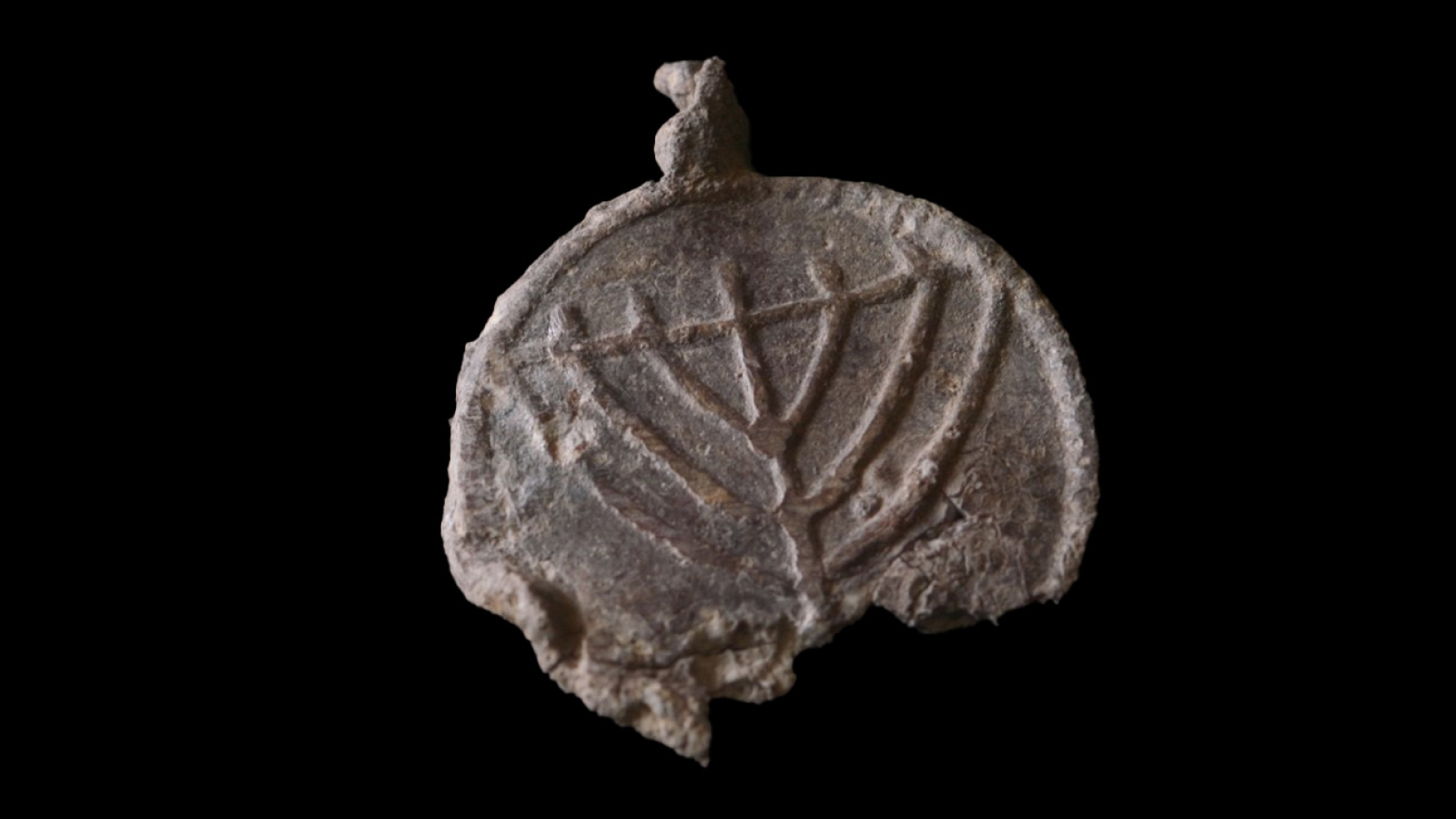 Rare 1,300-year-old medallion decorated with menorahs found near Jerusalem's Temple Mount
Detectorists find Anglo-Saxon treasure hoard that may have been part of a 'ritual killing'
Rare 1,300-year-old medallion decorated with menorahs found near Jerusalem's Temple Mount
Detectorists find Anglo-Saxon treasure hoard that may have been part of a 'ritual killing'
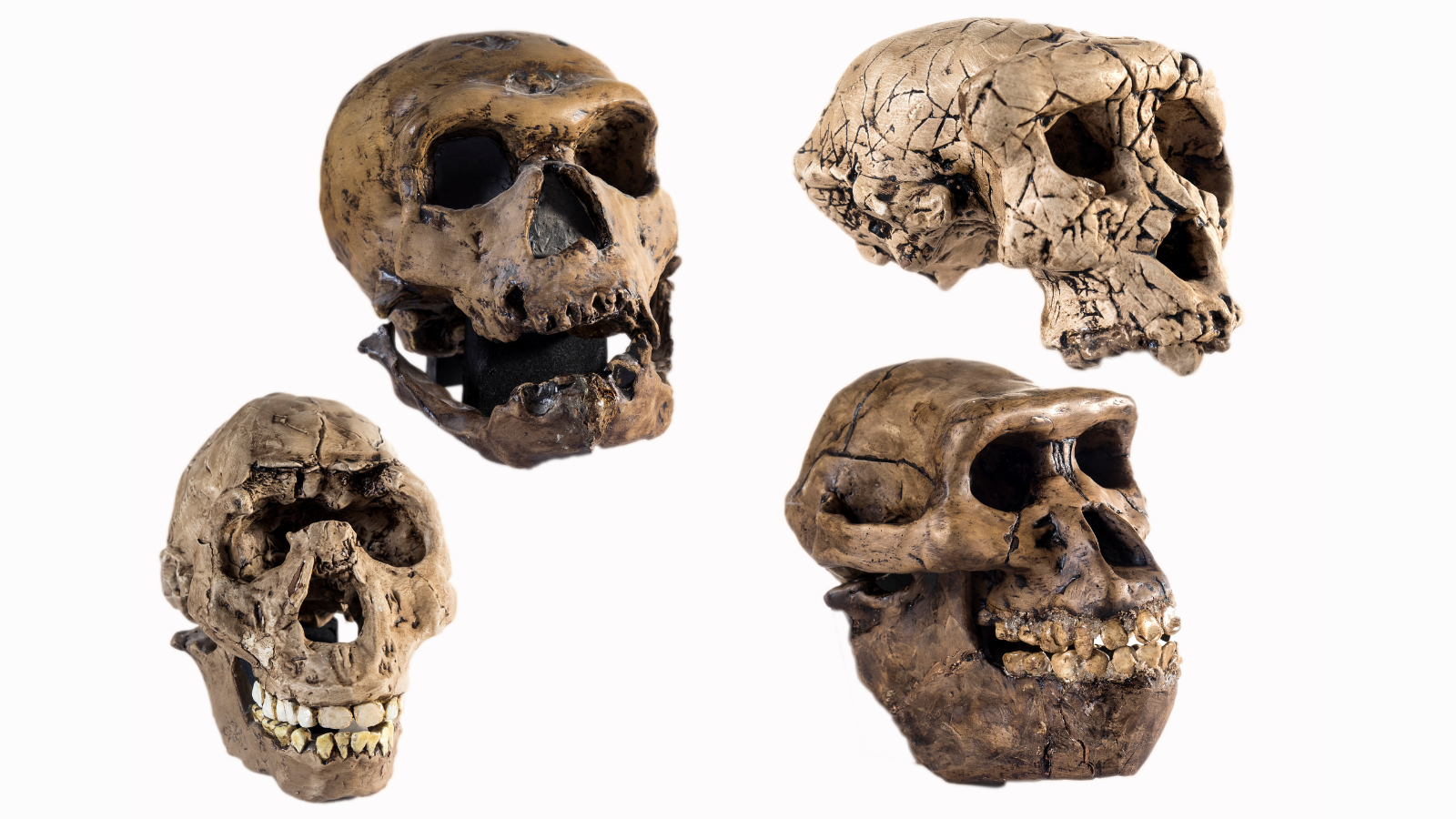 Scientists claim 'Lucy' may not be our direct ancestor after all, stoking fierce debate
Latest in News
3,300-year-old cremations found in Scotland suggest the people died in a mysterious catastrophic event
Scientists claim 'Lucy' may not be our direct ancestor after all, stoking fierce debate
Latest in News
3,300-year-old cremations found in Scotland suggest the people died in a mysterious catastrophic event
 Scientists build 'most accurate' quantum computing chip ever thanks to new silicon-based computing architecture
 New EV motor invention could cut 1,000 pounds from future vehicles, making them much lighter while boosting their range
 Japan laser weapon trial, comet 3I/ATLAS bids farewell, and AI solves 'impossible' math problems
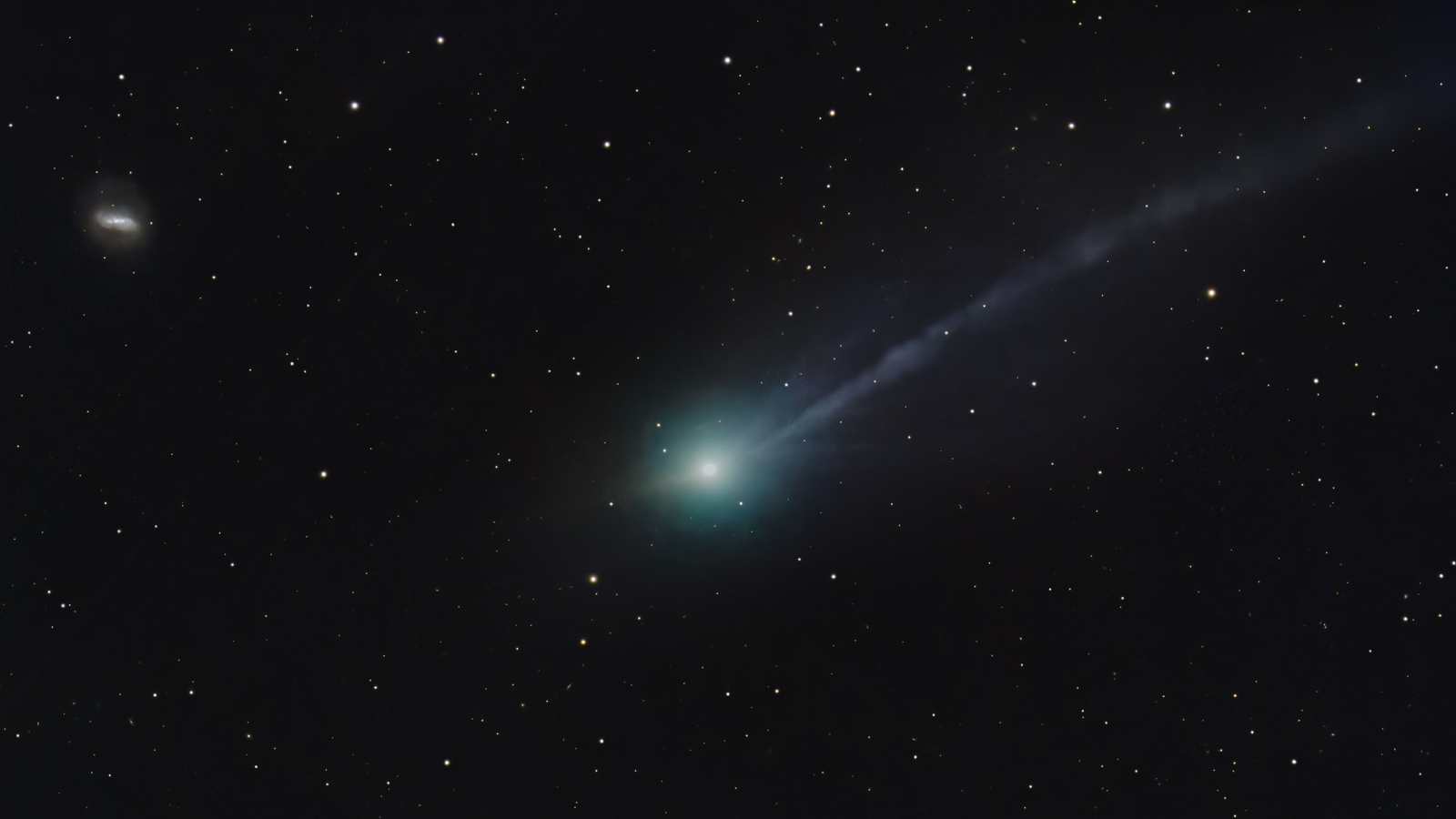 Interstellar comet 3I/ATLAS makes closest pass of Earth. Where's it heading next?
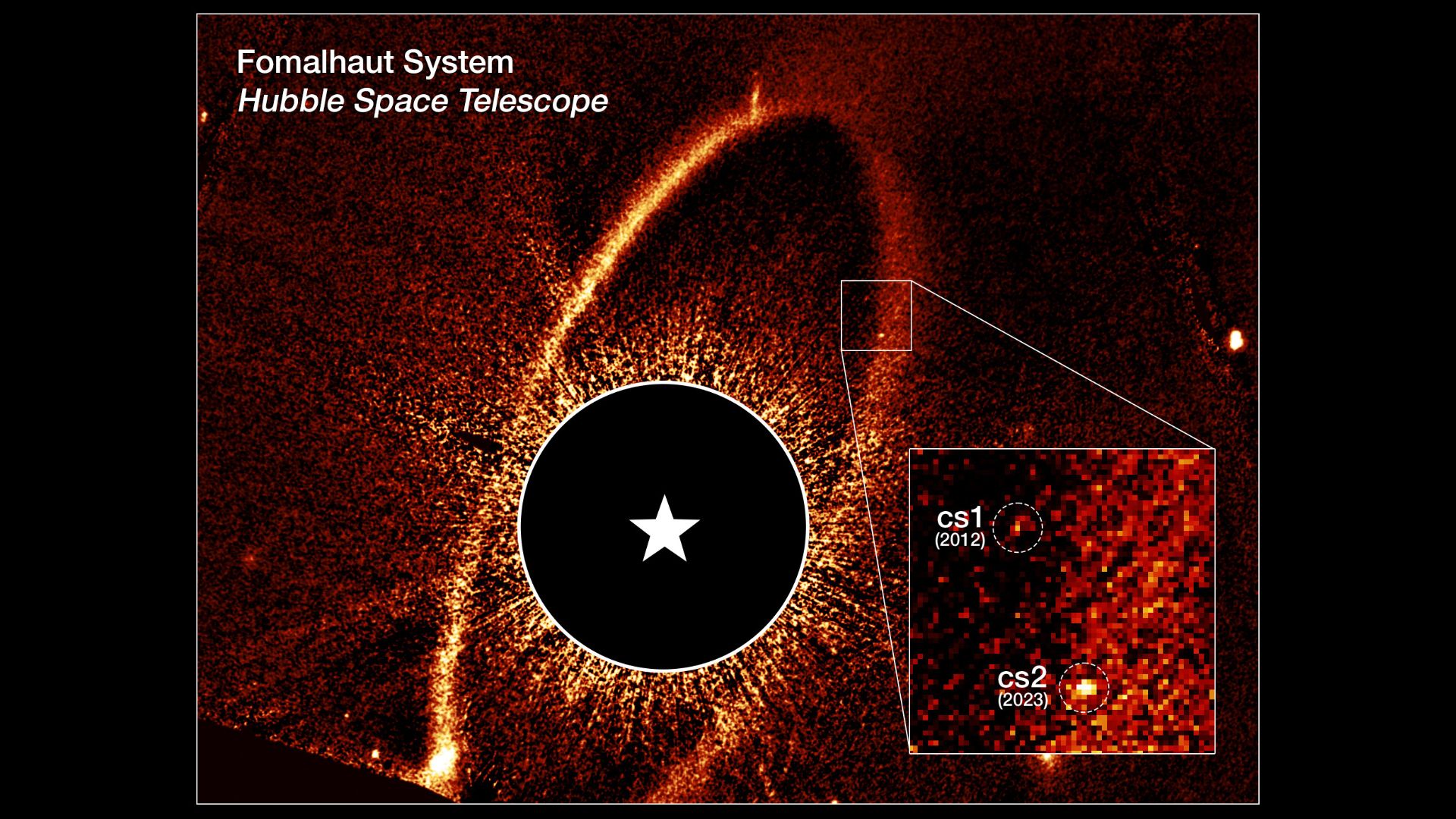 'Unprecedented' protoplanet collision spotted in 'Eye of Sauron' star system just 25 light-years from Earth
LATEST ARTICLES
'Unprecedented' protoplanet collision spotted in 'Eye of Sauron' star system just 25 light-years from Earth
LATEST ARTICLES- 1Scientists claim 'Lucy' may not be our direct ancestor after all, stoking fierce debate
- 2New EV motor invention could cut 1,000 pounds from future vehicles, making them much lighter while boosting their range
- 3Reliquary of the Holy Crib: Remains of Jesus' manger from Bethlehem
- 4The self-gifter's Christmas: Treat yourself to gear you'll actually want this Christmas
- 5Glittering new James Webb telescope image shows an 'intricate web of chaos' — Space photo of the week