
- Space
An alien comet, a Martian volcano, a man’s fall from the sun and a groundbreaking telescope’s first images: Here are the most jaw-dropping space photos of 2025.
When you purchase through links on our site, we may earn an affiliate commission. Here’s how it works.
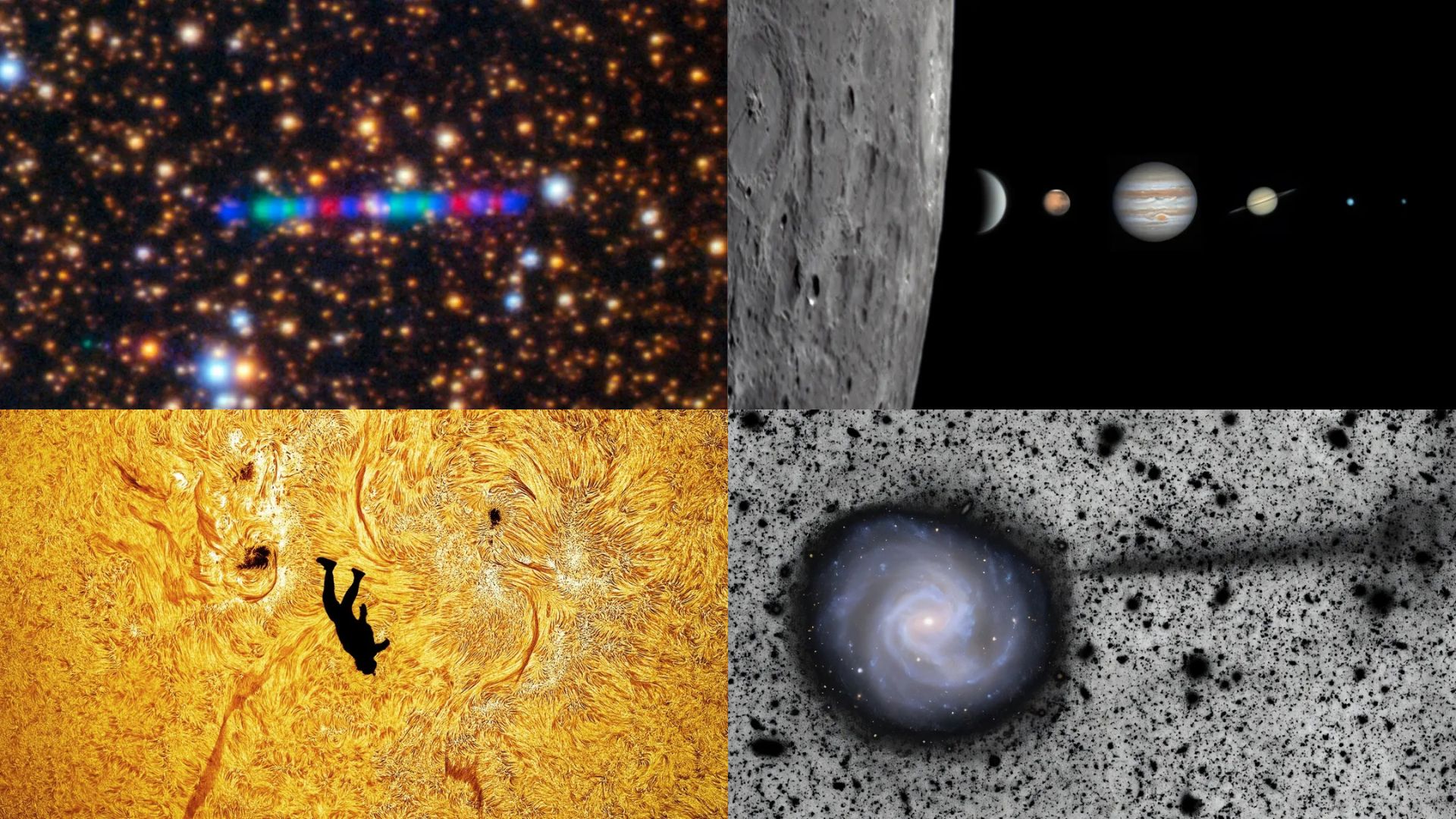 Space rainbows, planets on parade, a stream of stars and a plunge in front of the sun make our list of best space photos of 2025.
(Image credit: From the top left, going clokwise: Photo: International Gemini Observatory/NOIRLab/NSF/AURA/K. Meech (IfA/U. Hawaii)Image Processing: Jen Miller & Mahdi Zamani (NSF NOIRLab); Gwenaël Blanck; Andrew McCarthy/cosmicbackground.io; Romanowsky et al. 2025, RNAAS))
Share
Share by:
Space rainbows, planets on parade, a stream of stars and a plunge in front of the sun make our list of best space photos of 2025.
(Image credit: From the top left, going clokwise: Photo: International Gemini Observatory/NOIRLab/NSF/AURA/K. Meech (IfA/U. Hawaii)Image Processing: Jen Miller & Mahdi Zamani (NSF NOIRLab); Gwenaël Blanck; Andrew McCarthy/cosmicbackground.io; Romanowsky et al. 2025, RNAAS))
Share
Share by:
- Copy link
- X
The final frontier is an unendingly beautiful expanse filled with unimaginable wonders, making it the perfect sandbox for photographers, astronomical observatories and space-based telescopes to capture incredible images that we can hardly fathom. And 2025 was no different.
This year, we covered a range of stunning space images, from an eye-catching alien comet and a planetary parade portrait to the first Vera C. Rubin photos and otherworldly animal lookalikes. Here are 10 of our absolute favorites.
Alien visitor transforms into a "cosmic rainbow"
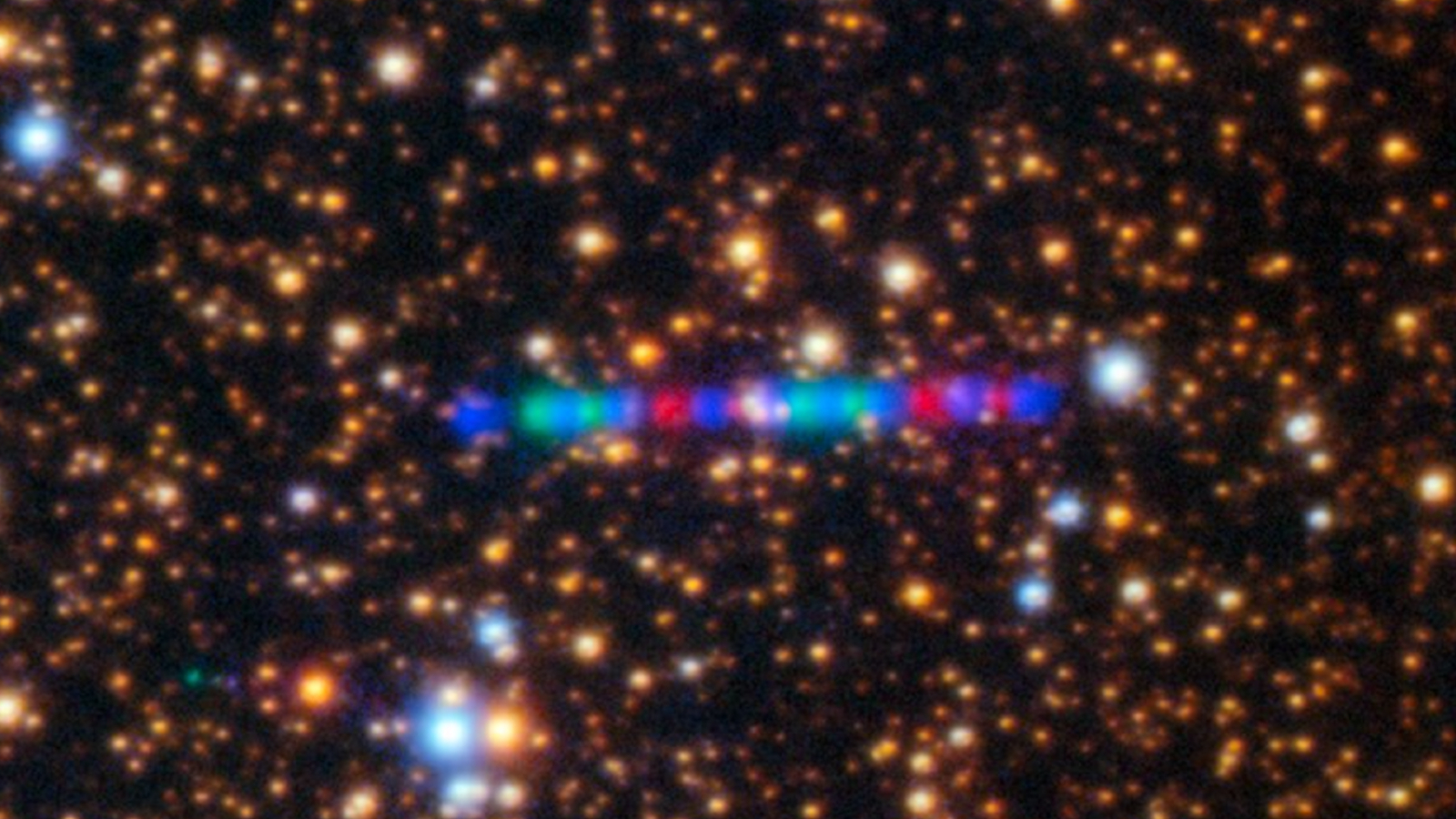
The biggest space news story this year was undoubtedly the arrival of the third-ever interstellar object 3I/ATLAS, which has dominated headlines and astronomers' attention ever since it was first spotted speeding through the solar system in early July. As a result, there has been no shortage of stunning shots of the alien comet.
You may like-
 Comet 3I/ATLAS gallery: See NASA's long-awaited images of interstellar visitor
-
 That was the week in science: Comet 3I/ATLAS glows green | Roman roads | Bear attacks
-
 That was the week in science: Farewell comet 3I/ATLAS | Starlink tumbles from orbit | AI’s giant carbon footprint
Our favorite is this timelapse image captured by the Gemini North telescope on the summit of Hawaii's Mauna Kea volcano. The image was created by combining 16 different photos using multiple colored filters to create a giant cosmic rainbow.
Read more: Interstellar comet 3I/ATLAS transforms into a giant 'cosmic rainbow' in trippy new telescope image
"The Fall of Icarus"
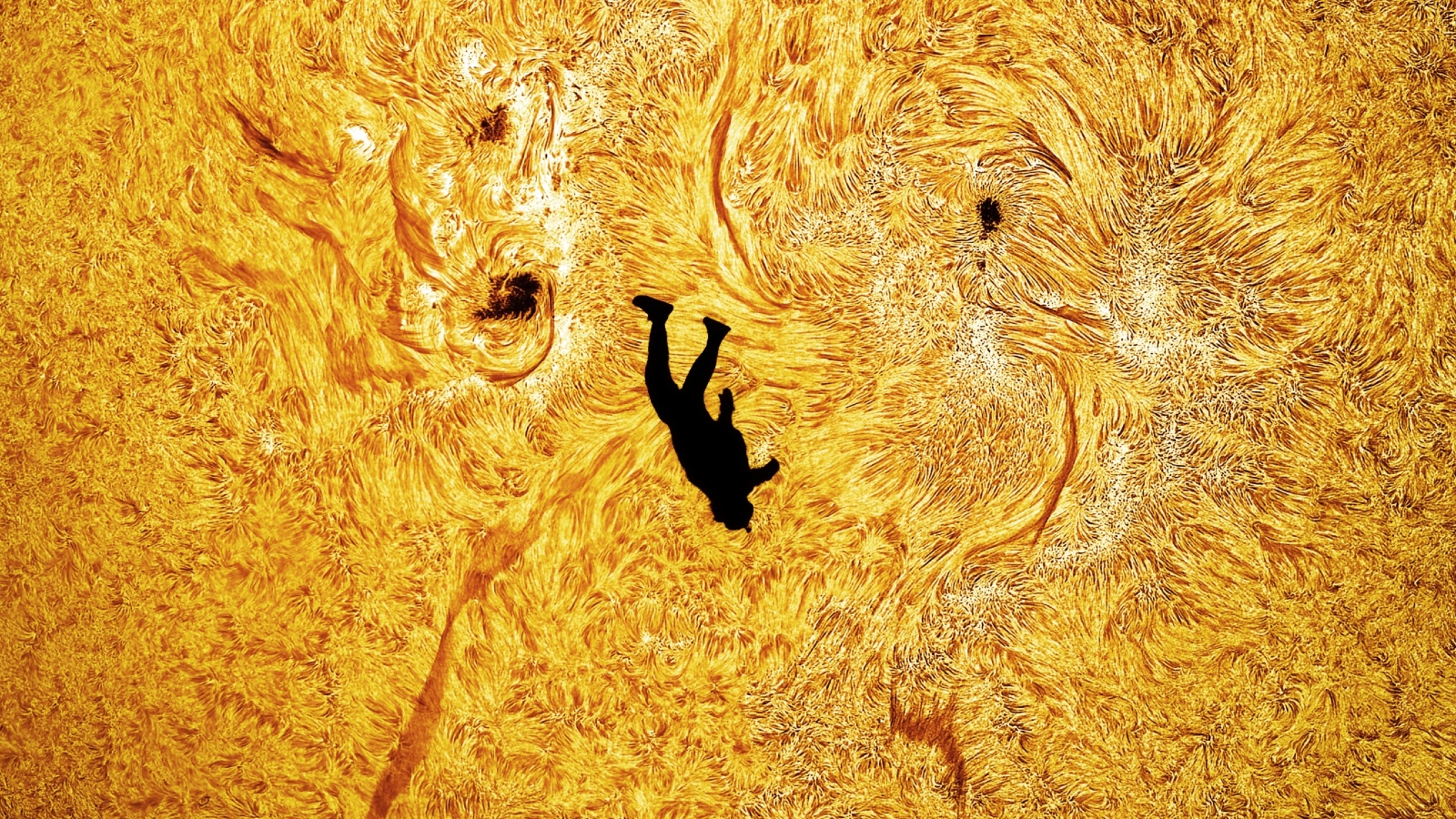
One of the most unbelievable photos of 2025 was this solar spectacle, dubbed The Fall of Icarus, which perfectly captured the moment a skydiver fell directly in front of the sun.
Astrophotographer Andrew McCarthy captured this shot in early November, at a distance of around 8,000 feet (2,440 meters) from the skydiver, YouTuber Gabriel C. Brown. It took six attempts to properly line up Brown with the solar surface before the thrill-seeker leapt from a small propeller-powered craft at an altitude of around 3,500 feet (1,070 m).
Sign up for the Live Science daily newsletter nowContact me with news and offers from other Future brandsReceive email from us on behalf of our trusted partners or sponsorsBy submitting your information you agree to the Terms & Conditions and Privacy Policy and are aged 16 or over."It was a narrow field of view, so it took several attempts to line up the shot," McCarthy told Live Science. "Capturing the sun is something I'm quite familiar with, but this added new challenges."
Read more: Astrophotographer snaps 'absolutely preposterous' photo of skydiver 'falling' past the sun's surface
Vera C. Rubin's stream of stars
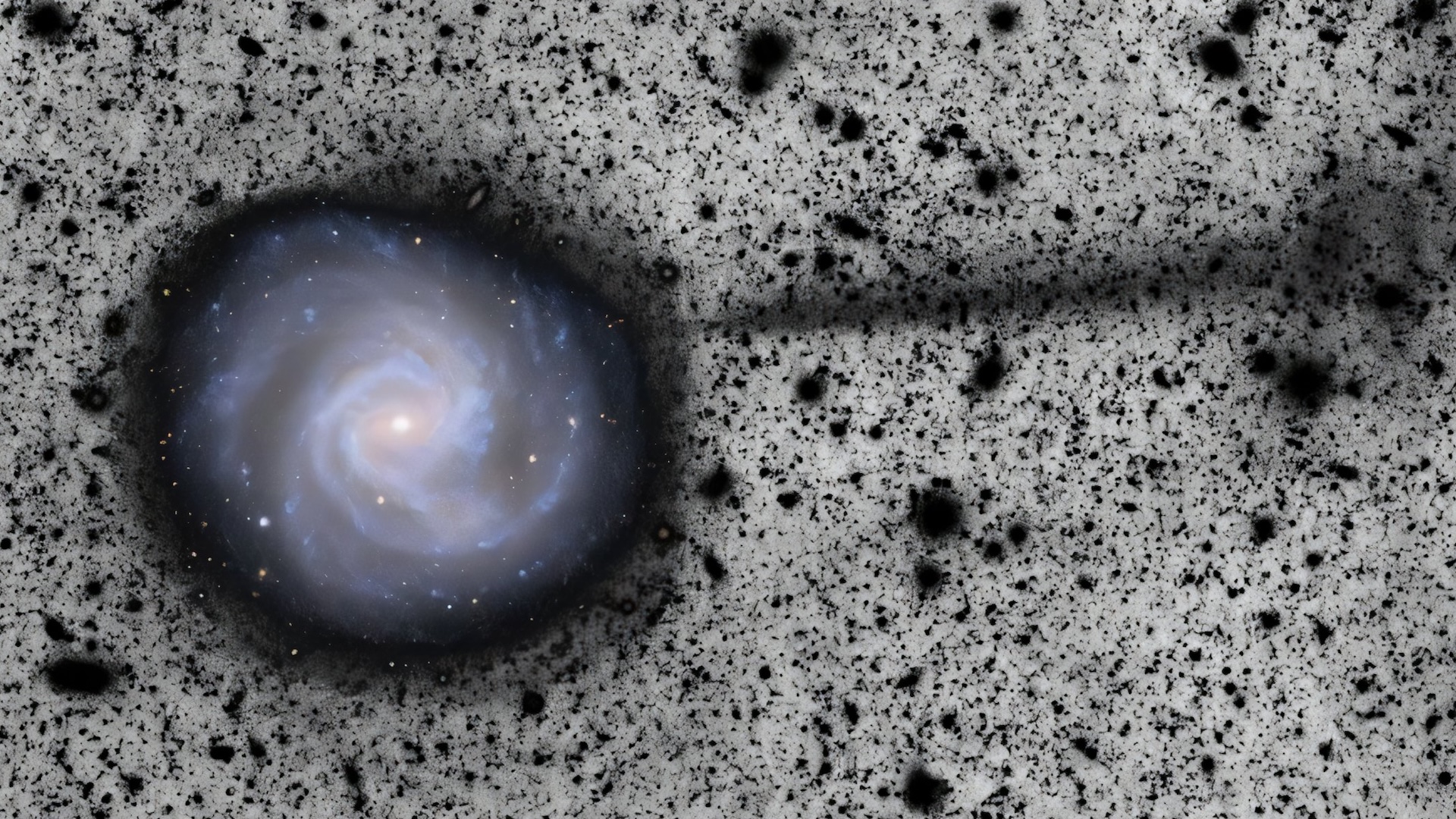
In June, the most powerful digital camera on Earth winked on. The Vera C. Rubin Observatory in Chile's Atacama desert revealed its first-ever images in June. These debut photos were chock-full of cosmic treasures, including the spiral galaxy M61 (shown here), which researchers noticed was being trailed by a massive stellar tail around the same size as the Milky Way.
You may like-
Comet 3I/ATLAS gallery: See NASA's long-awaited images of interstellar visitor
-
That was the week in science: Comet 3I/ATLAS glows green | Roman roads | Bear attacks
-
That was the week in science: Farewell comet 3I/ATLAS | Starlink tumbles from orbit | AI’s giant carbon footprint
We can look forward to many more spellbinding shots from Rubin in the coming years as it begins its decade-long survey of the night sky.
Read more: First Vera Rubin Observatory image reveals hidden structure as long as the Milky Way trailing behind a nearby galaxy
Perfect planetary parade portrait
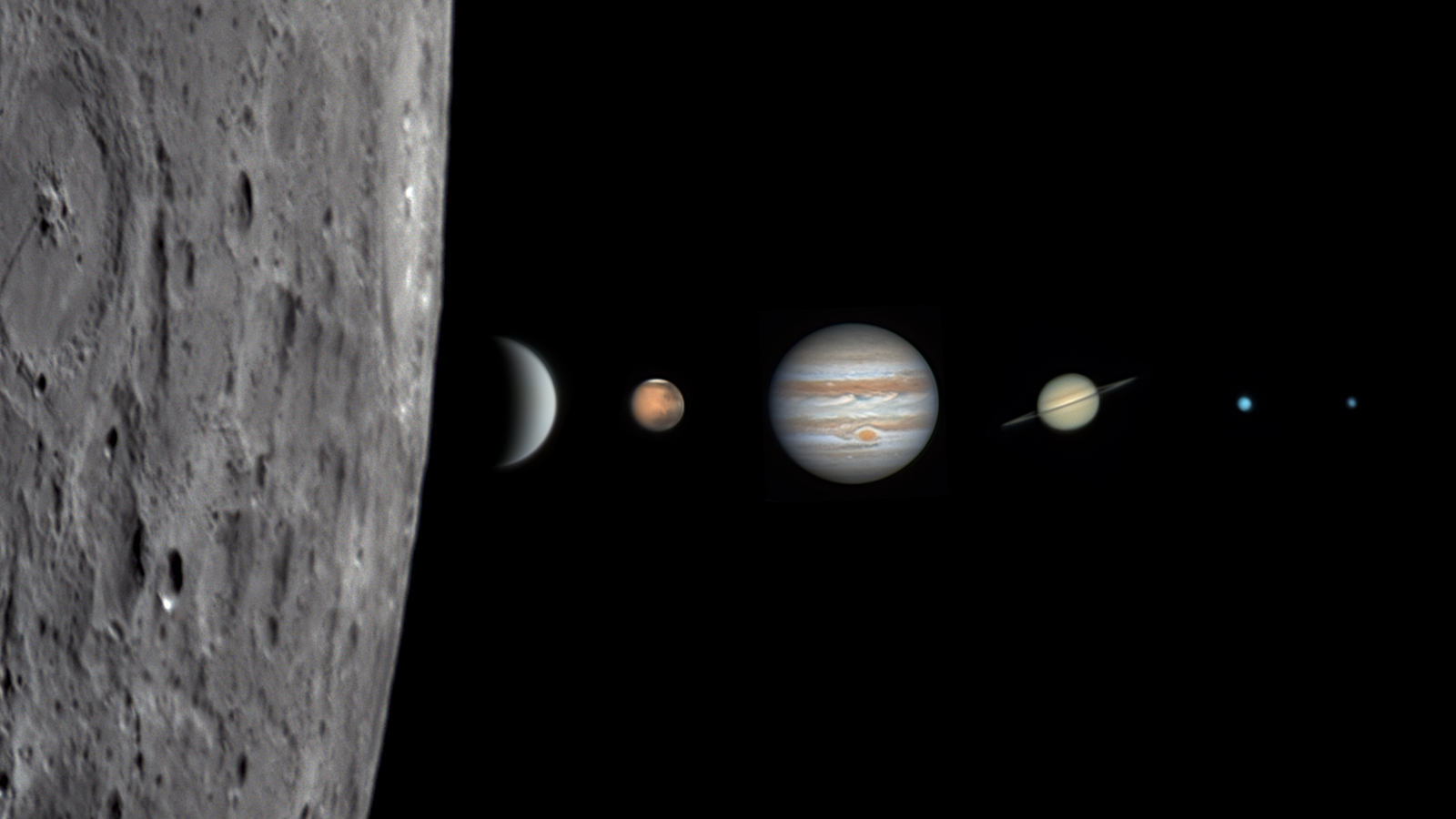
In late January and early February, up to six of the solar system's planets were simultaneously visible in the night sky in what astronomers refer to as a "planetary parade." This particular parade was one of the best in recent years, allowing astrophotographers to snap several stunning pics of the event.
Our favorite pick of the bunch is this planetary portrait from French astrophotographer Gwenaël Blanck, which he digitally edited to show each planet alongside the sun in the order of distance from Earth. Blanck snapped each of the individual worlds within 80 minutes of one another.
Read more: Parisian photographer produces phenomenal, perfectly-proportioned 'planetary parade' portrait
Giant "diamond ring" shines in X-ray
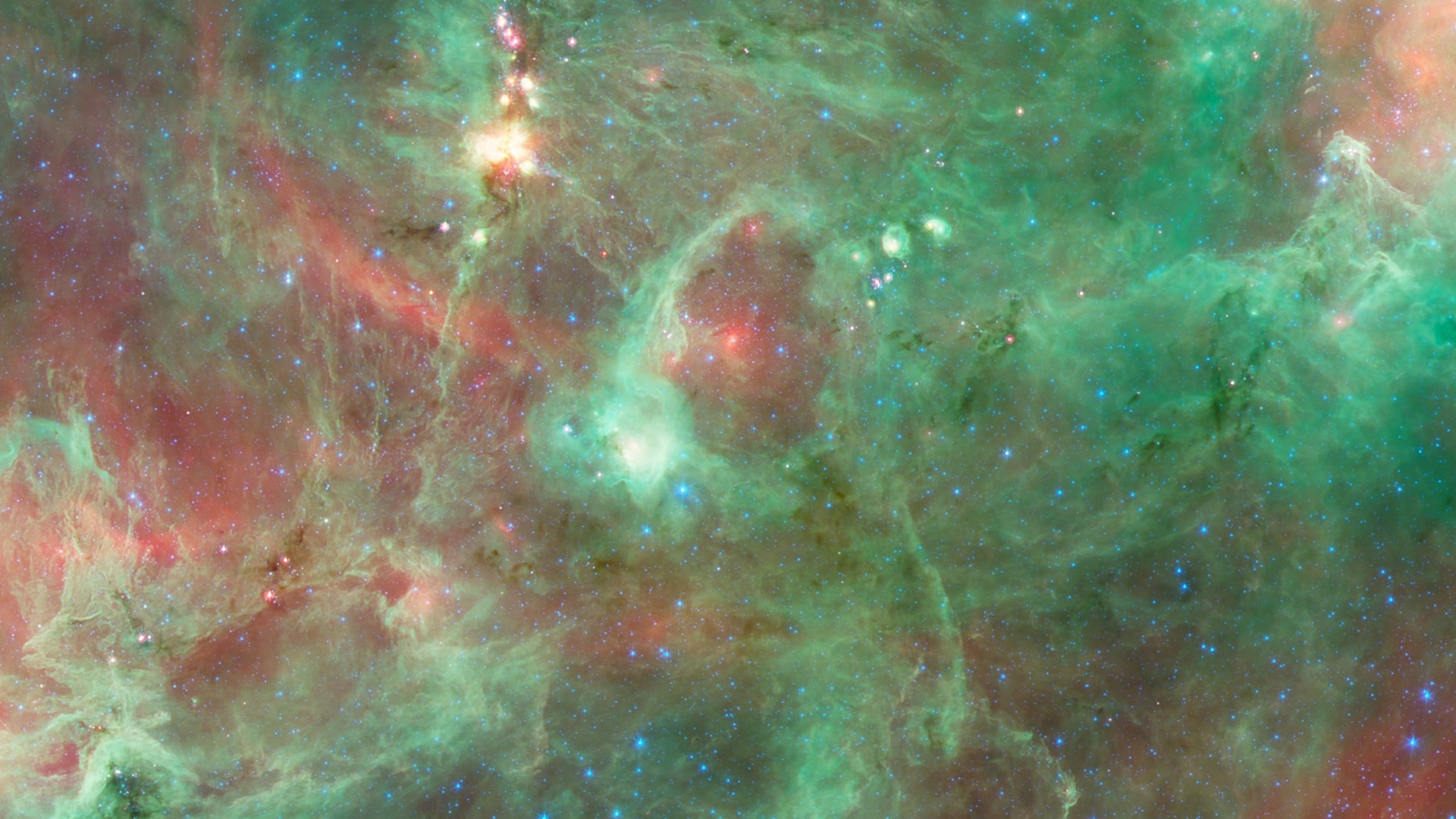
All that glitters is not gold, and in this scintillating starscape, released in November, it is high-energy X-rays that sparkle like a giant ring.
This object, dubbed a "diamond ring," is an expanding bubble of gas in a star-forming region of the Cygnus constellation. The glowing bubble is around 20 light-years across and is around 400,000 years old. It was photographed by NASA's Stratospheric Observatory for Infrared Astronomy (SOFIA), which previously scanned the night sky from a telescope onboard a Boeing 747SP aircraft, at an altitude of more than 45,000 feet (13,700 m).
The cosmic ring is not to be confused with Einstein rings, which are rings of light created by gravitational lensing.
Read more: Giant 'diamond ring' sparkles 4,500 light-years away in the Cygnus constellation
A cosmic butterfly spreads its wings
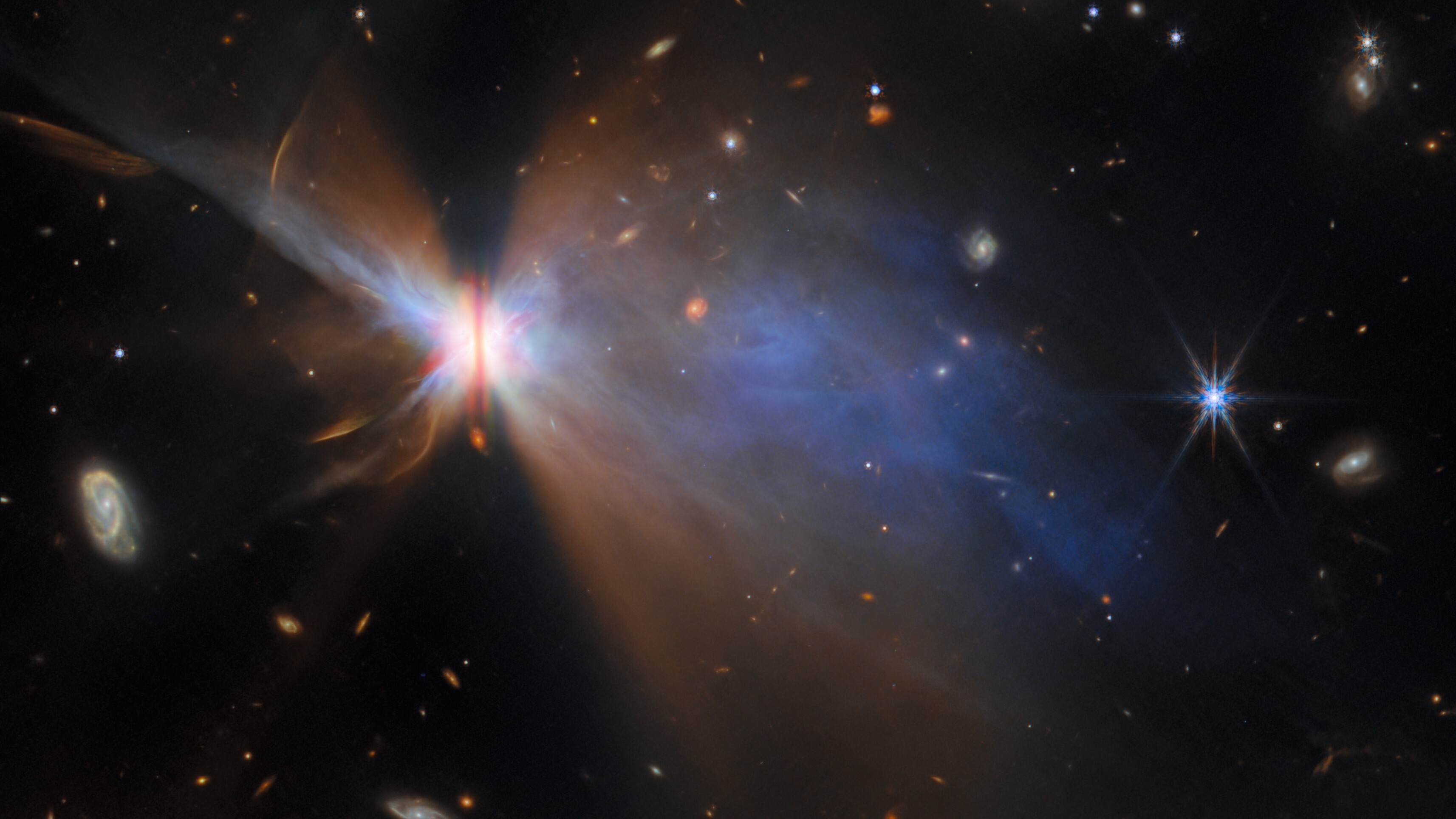
JWST has, yet again, captured some stunning photos in 2025, including the fiery Cigar Galaxy, a tantruming stellar toddler and a "starlit mountaintop" nebula. However, our favorite is this striking portrait of the "Butterfly Star," IRAS 04302+2247.
The insect imposter's shining wings are made from a mini nebula of stellar material leftover from a supernova. This nebula is bisected by a protoplanetary disk that surrounds the baby star like a cosmic cocoon, and just happens to be aligned with Earth so that the two halves of the nebula are seen from side-on. It is located around 525 light-years away, in a star-forming region, known as the Taurus Molecular Cloud.
Read more: James Webb telescope finds a warped 'Butterfly Star' shedding its chrysalis
Arsia Mons rises
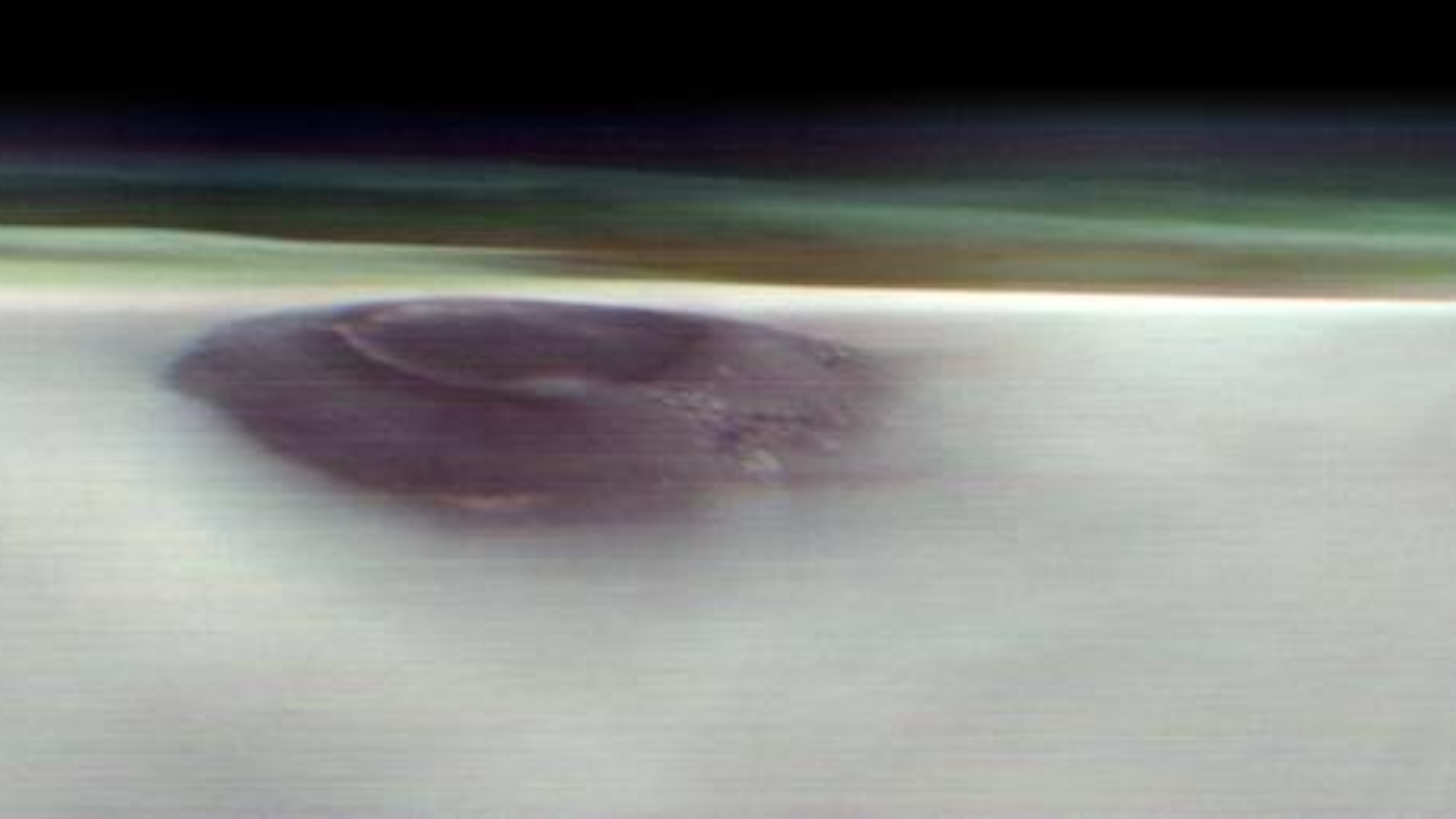
Speaking of Mars, NASA's Mars Odyssey orbiter also captured this stunning shot of a giant dead volcano peeking above the clouds on the Red Planet, as eerie green lights dance above the Martian horizon.
The mountain in the image is Arsia Mons, which stands at more than 12 miles (19 kilometers) above the surface of the previously volcanic Tharsis plateau. The extinct volcano is more than twice as tall as Mount Everest, but around 4 miles (6 km) shorter than Mars' tallest peak, Olympus Mons.
The green lights look like auroras. But they are actually just an effect of the image being partially captured using infrared light, which emanates from the planet's wispy atmosphere.
Read more: NASA spots Martian volcano twice the height of Mount Everest bursting through the morning clouds
Seen by the "Eye of Sauron"
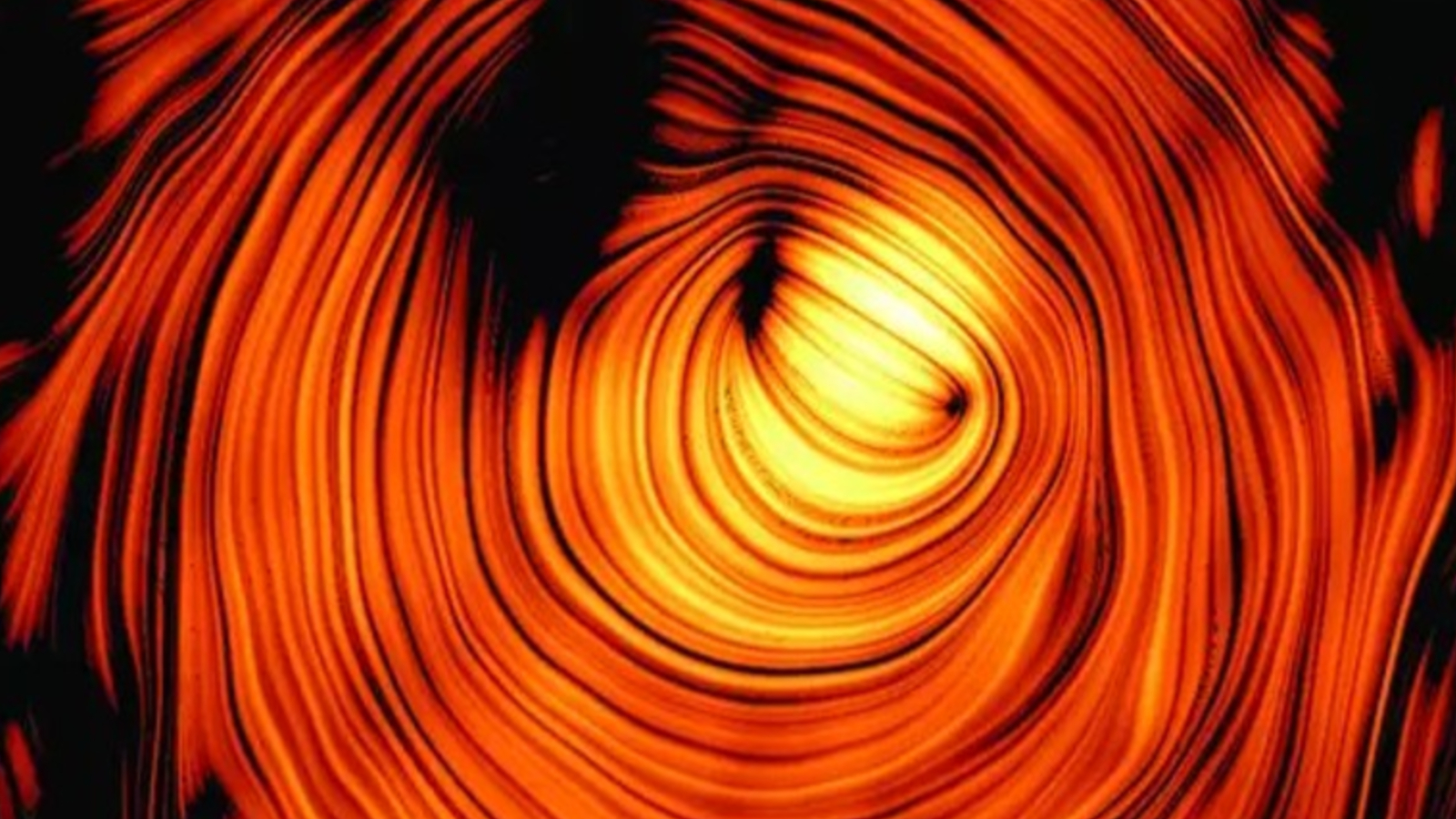
There is no escaping the dark lord of Mordor's malevolent gaze, even from halfway across the universe. That's the impression given by this photo, dubbed the "Eye of Sauron," which playfully references J. R. R. Tolkien's fantasy epic "The Lord of the Rings."
The "eye" is actually the magnetic field of a supercharged energy jet being shot into space by a quasar — a supermassive black hole at the center of a distant galaxy. This quasar, dubbed PKS 1424+240, is billions of light-years from Earth and has one of its jets pointed almost directly at our planet, allowing researchers to peer directly through its "jet cone" and map out the magnetic swirls within.
Read more: Giant, cosmic 'Eye of Sauron' snapped staring directly at us in stunning 15-year time-lapse photo
New "heavenly" pillars emerge
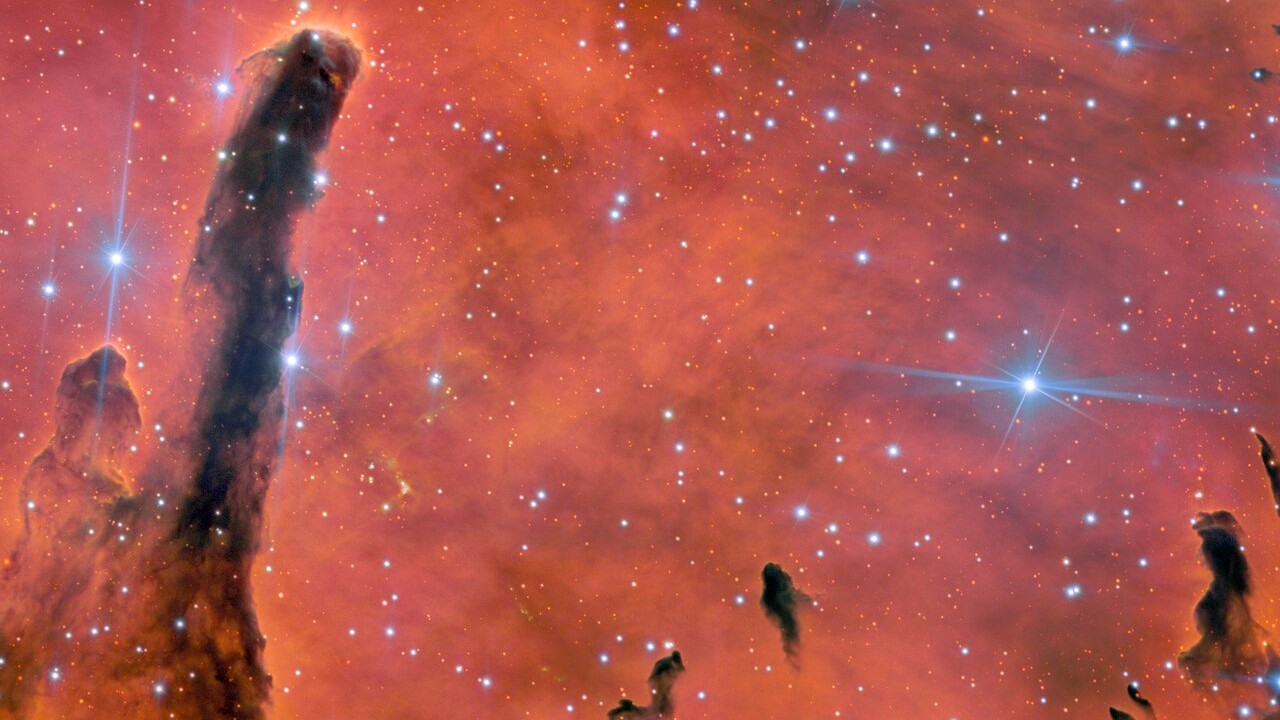
This ethereal image shows a set of stellar structures reminiscent of the famous "Pillars of Creation," first seen by the Hubble Space Telescope in 1995. The structure is named Ua 'Ōhi'a Lani, which means the "heavenly rains" in Hawaiin, and this image of it was taken by the Gemini North telescope.
What you are seeing is two distinct regions: the twinkling blue stars of a star cluster, named NGC 6823, overlapping the veil of red gas that comprises a more distant emission nebula, dubbed NGC 6820. The ethereal pillars are made from additional gas and dust that have been sculpted by the foreground stars' intense radiation.
The original pillars of creation were also recently given a glow-up by JWST, which captured the iconic cosmic structures using infrared light.
Read more: 'Heavenly rains': Ethereal structure in the sky rivals 'Pillars of Creation'
Astronaut snaps a giant "jellyfish" over Earth
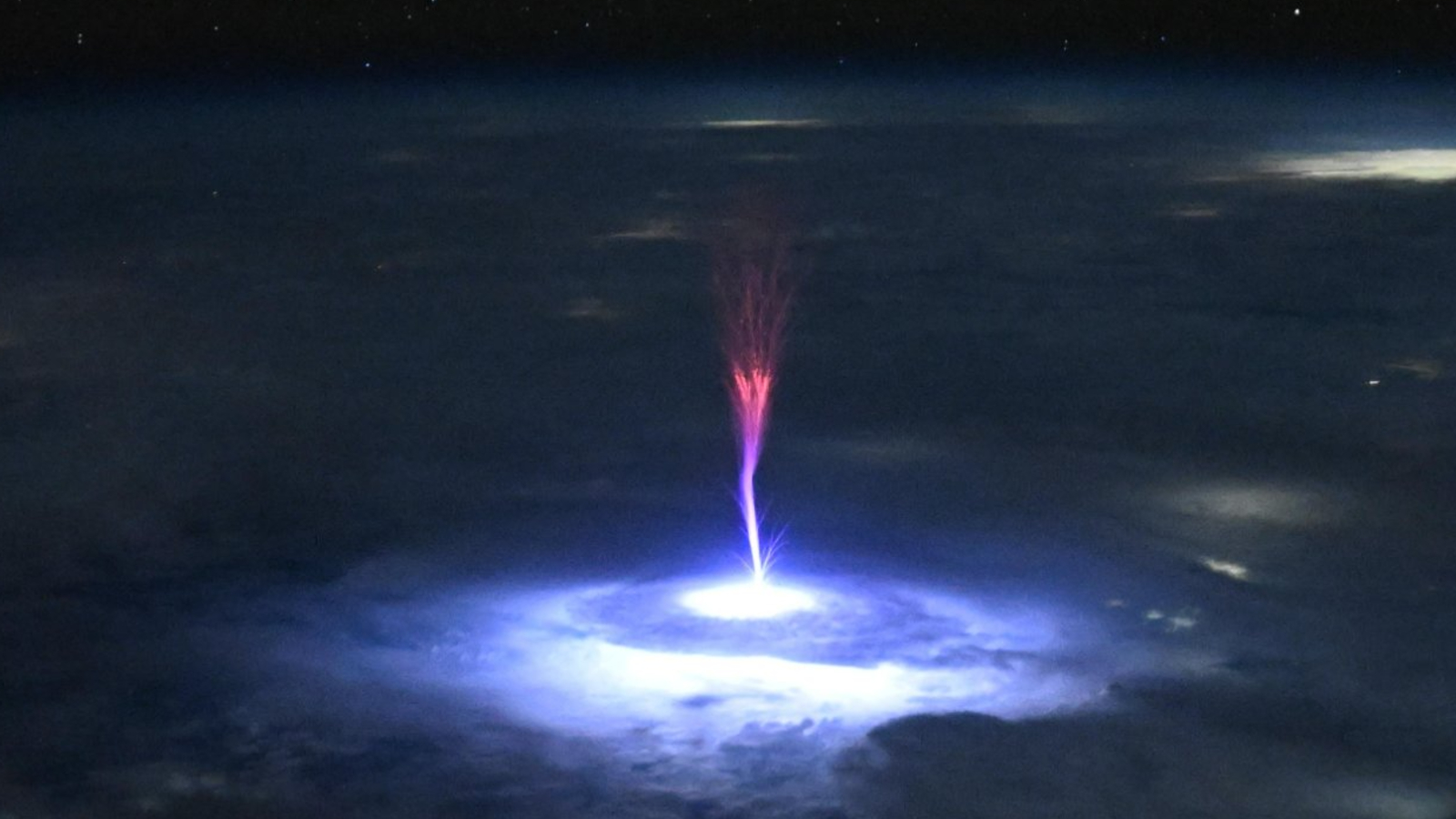
As incredible as it is to point our cameras out into the universe, space also provides a unique angle of our own planet. And that's exactly the case in our final photo, which shows off a giant, electrifying "jellyfish" hovering above Earth.
related stories—Giant 'white streak' appears over multiple US states as Chinese rocket dumps experimental fuel in space
—Astronomers discover surprisingly lopsided disk around a nearby star using groundbreaking telescope upgrade
—Gigantic 'letter S' spotted on the sun just before a 'dark eruption' hurls a fiery shadow at Earth
The luminous branching structure was snapped by NASA astronaut Nichole Ayers in July, while onboard the ISS. It shows a type of transient luminous event that researchers commonly call sprites. In this case, the red jellyfish-like sprite formed at the summit of a rare upward-shooting "gigantic jet" of lightning, up to 50 miles (80 km) above the U.S.-Mexico border.
If you liked this photo, then be sure to check out Live Science's weekly Earth from space series for more incredible images of our planet from above.
Read more: Astronaut snaps giant red 'jellyfish' sprite over North America during upward-shooting lightning event
Want to see more amazing images of the cosmos?Be sure to check out Live Science's Space Photo of the Week series, or peep our favorite space shots from 2024 or this gallery of stunning James Webb Space Telescope (JWST) images.
TOPICS 3I/ATLAS Harry BakerSocial Links NavigationSenior Staff Writer
Harry is a U.K.-based senior staff writer at Live Science. He studied marine biology at the University of Exeter before training to become a journalist. He covers a wide range of topics including space exploration, planetary science, space weather, climate change, animal behavior and paleontology. His recent work on the solar maximum won "best space submission" at the 2024 Aerospace Media Awards and was shortlisted in the "top scoop" category at the NCTJ Awards for Excellence in 2023. He also writes Live Science's weekly Earth from space series.
Show More CommentsYou must confirm your public display name before commenting
Please logout and then login again, you will then be prompted to enter your display name.
Logout Read more Comet 3I/ATLAS gallery: See NASA's long-awaited images of interstellar visitor
 That was the week in science: Comet 3I/ATLAS glows green | Roman roads | Bear attacks
 That was the week in science: Farewell comet 3I/ATLAS | Starlink tumbles from orbit | AI’s giant carbon footprint
 Revived permafrost microbes spew CO2, scientists image 'relativity-breaking' illusion, and James Webb telescope spots something 'exciting' blasting from black hole M87*
 Powerful solar storms, exploding comets and pigs from hell
 New 3I/ATLAS images show the comet getting active ahead of close encounter with Earth
Latest in Space
New 3I/ATLAS images show the comet getting active ahead of close encounter with Earth
Latest in Space
 Glittering new James Webb telescope image shows an 'intricate web of chaos' — Space photo of the week
 Interstellar comet 3I/ATLAS makes closest pass of Earth. Where's it heading next?
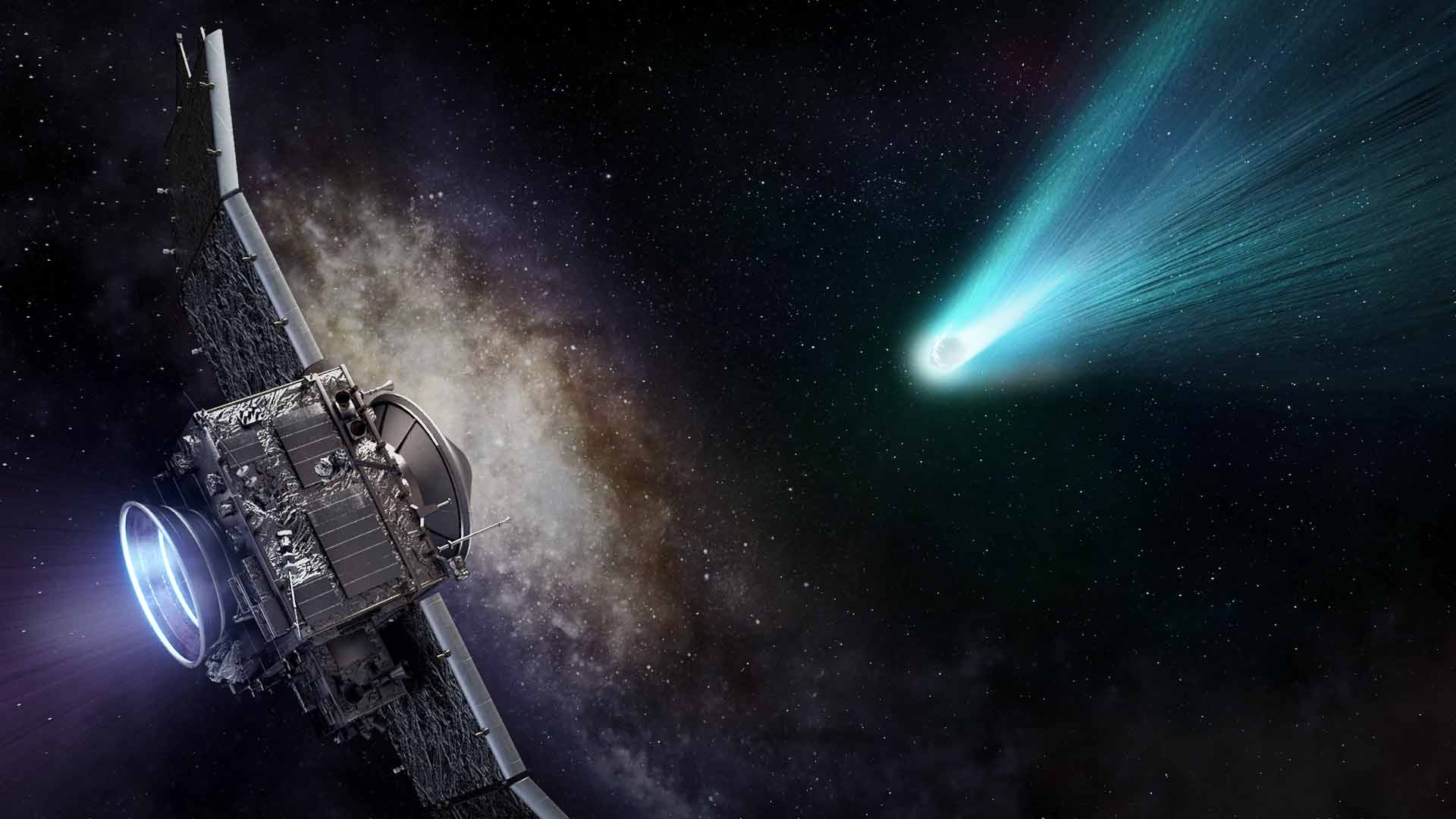 Interstellar comet 3I/ATLAS is rapidly moving away from us. Can we 'intercept' it before it leaves us forever?
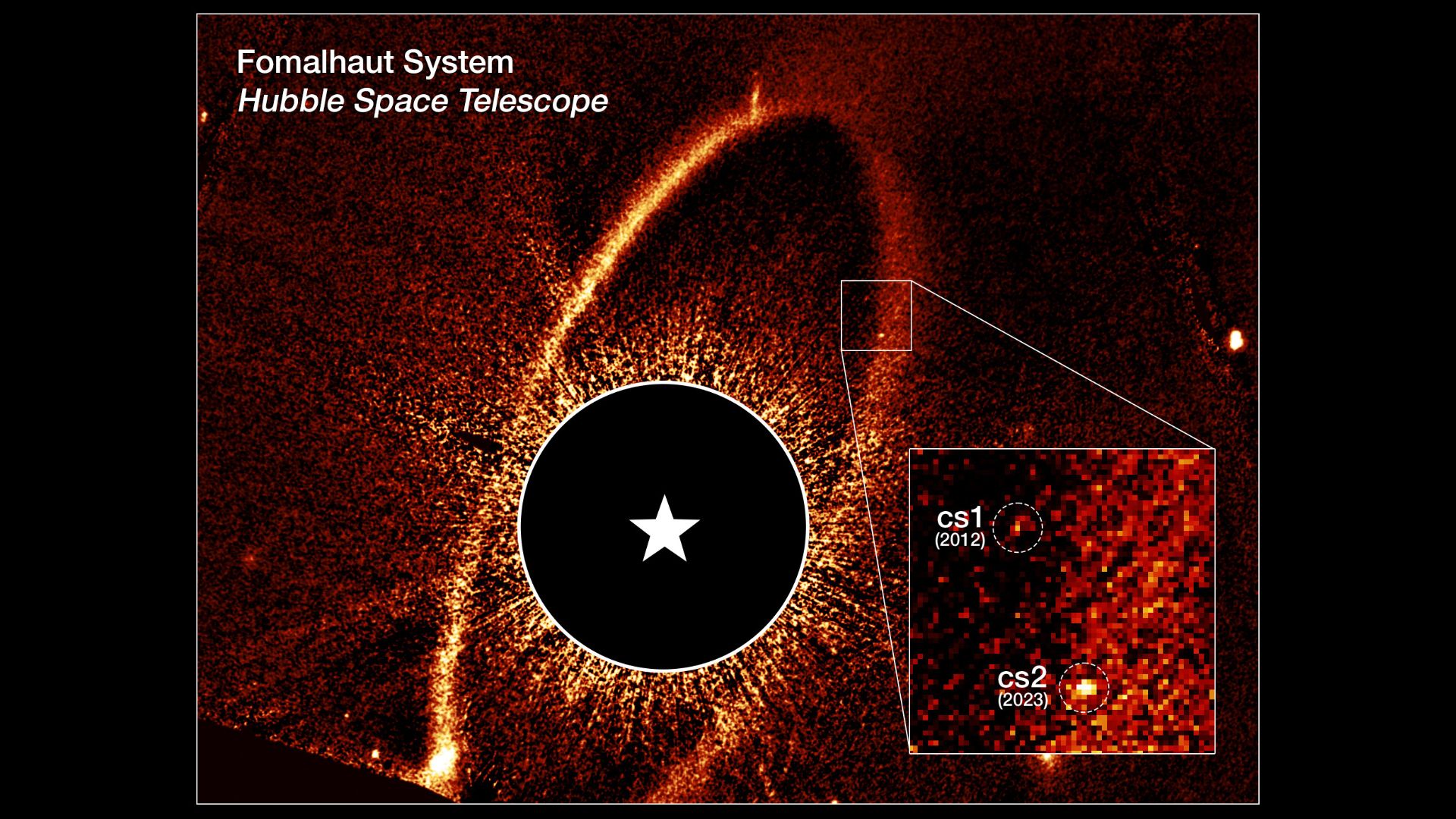 'Unprecedented' protoplanet collision spotted in 'Eye of Sauron' star system just 25 light-years from Earth
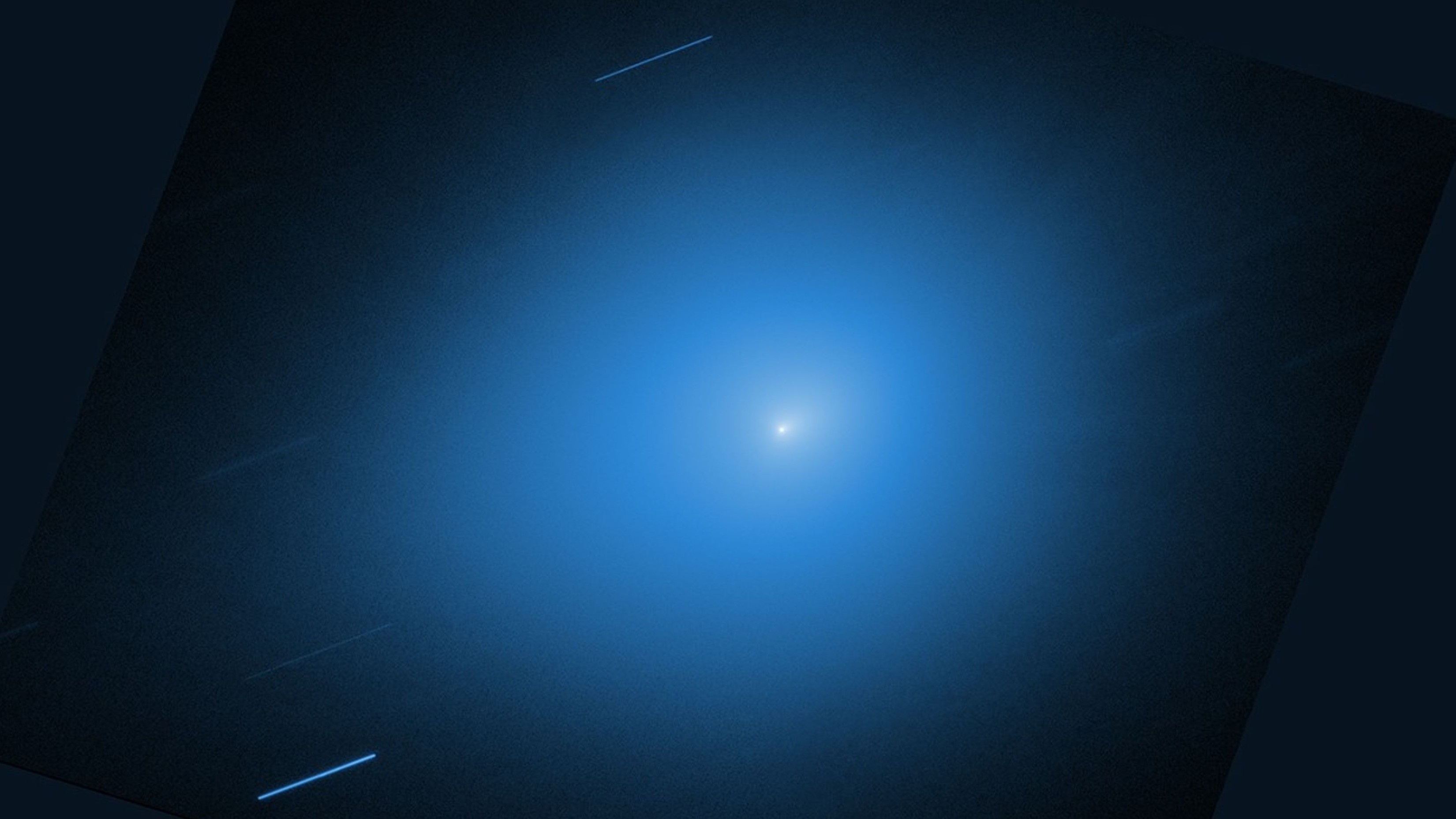 Comet 3I/ATLAS reaches its closest point to Earth tonight: How to see it
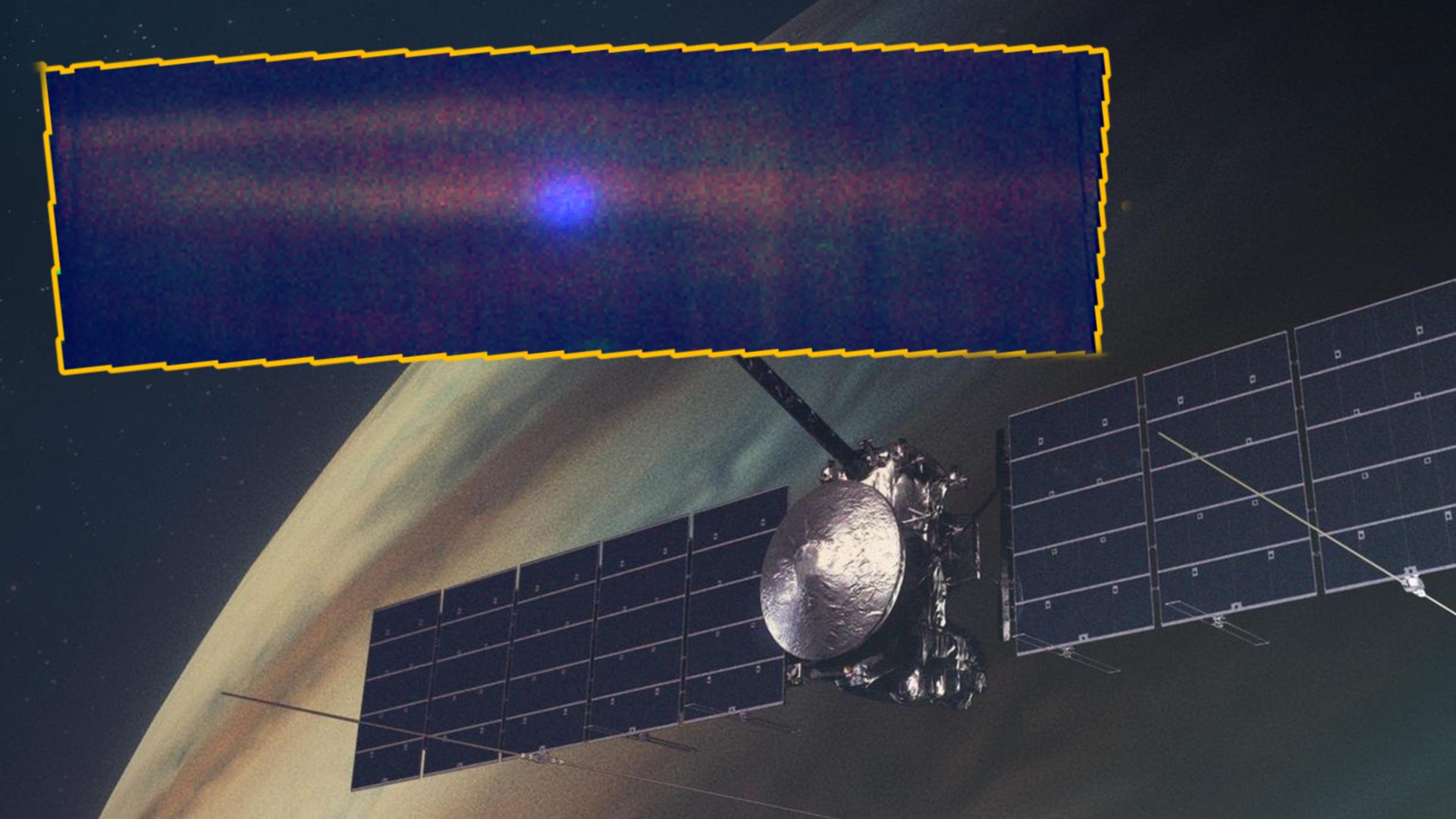 NASA eyes 3I/ATLAS with alien-hunting Clipper spacecraft in new image
Latest in Countdowns
Best space photos of 2025
NASA eyes 3I/ATLAS with alien-hunting Clipper spacecraft in new image
Latest in Countdowns
Best space photos of 2025
 The most devastating extreme weather events of the year: Gallery
 From tool use to warfare — here are 5 ways Jane Goodall revolutionized our knowledge of chimpanzees
 Avast, matey! 5 of the biggest pirate hauls in history
 See the best Milky Way photos of the year
 7 myths about the Vikings that are (almost) totally false
LATEST ARTICLES
7 myths about the Vikings that are (almost) totally false
LATEST ARTICLES 13,300-year-old cremations found in Scotland suggest the people died in a mysterious catastrophic event
- 2Scientists claim 'Lucy' may not be our direct ancestor after all, stoking fierce debate
- 3New EV motor invention could cut 1,000 pounds from future vehicles, making them much lighter while boosting their range
- 4Reliquary of the Holy Crib: Remains of Jesus' manger from Bethlehem
- 5The self-gifter's Christmas: Treat yourself to gear you'll actually want this Christmas