- Archaeology
Two rare Celtic gold coins were discovered in a Swiss bog, and they may have been left there as an offering to the gods.
When you purchase through links on our site, we may earn an affiliate commission. Here’s how it works.
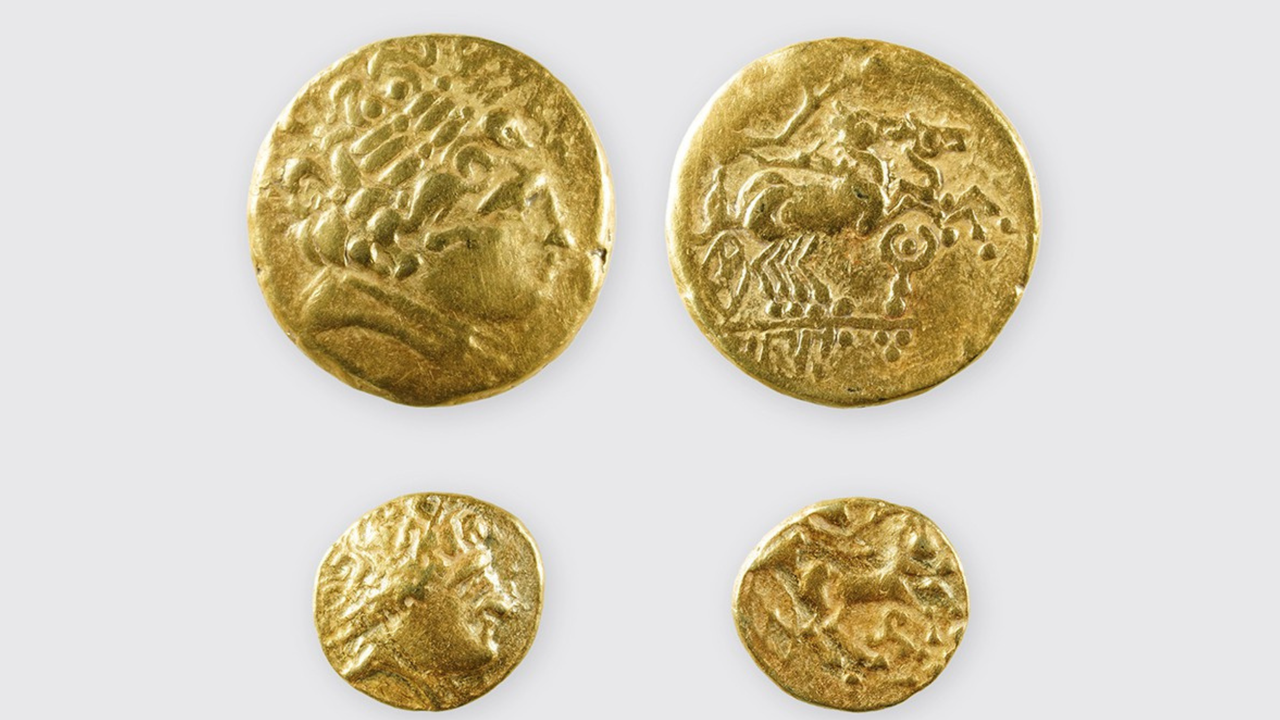
 The heads and tails (obverse and reverse) of the two newfound Celtic gold coins from Arisdorf, Bärenfels. The stater has a diameter of just under 0.7 inches (2 centimeters).
(Image credit: Nicole Gebhard. © Archaeology Baselland)
Share
Share by:
The heads and tails (obverse and reverse) of the two newfound Celtic gold coins from Arisdorf, Bärenfels. The stater has a diameter of just under 0.7 inches (2 centimeters).
(Image credit: Nicole Gebhard. © Archaeology Baselland)
Share
Share by:
- Copy link
- X
While surveying a Swiss bog, two volunteer archaeologists discovered what may be two of the oldest Celtic coins ever found in the country, and they may have been offerings to ancient gods.
The two gold coins were minted almost 2,300 years ago, around the mid-third century B.C. "This makes them part of a very small group of just over 20 known examples of the oldest Celtic coins from Switzerland," Swiss archaeologists said in a translated statement released Dec. 18.
You may like-
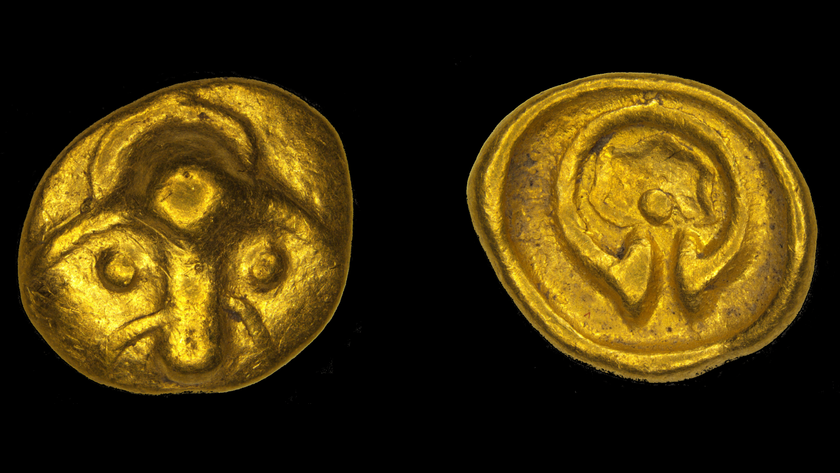 2,200-year-old Celtic 'rainbow cup' in 'almost mint condition' found in Germany
-
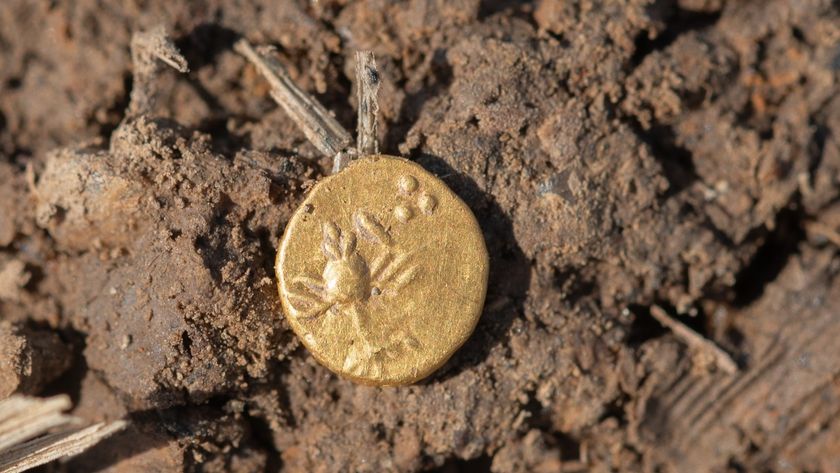 Hundreds of ancient gold and silver coins from possible Celtic market found in Czech Republic
-
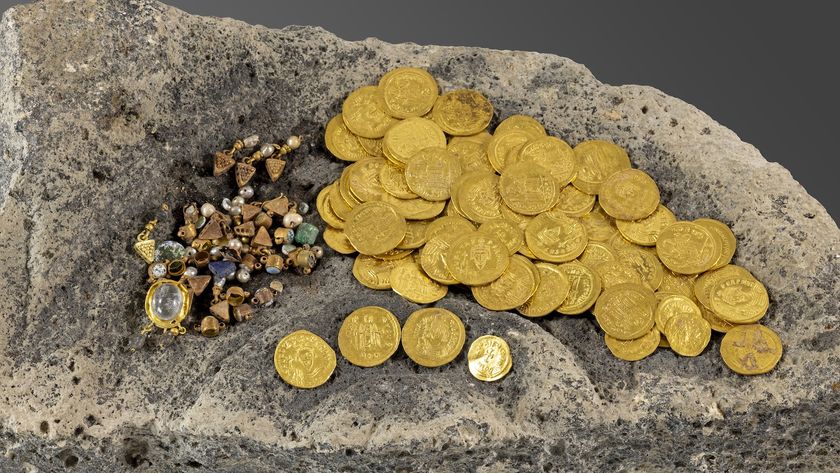 'Gold coins started appearing one after another': 1,400-year-old hoard with money and jewelry unearthed near Sea of Galilee
In this case, gold staters minted during the reign of Philip II of Macedon, the father of Alexander the Great, were imitated. Both coins showcase the profile of the Greek god Apollo on the "heads" side (obverse) and a two-horse chariot on the "tails" side (reverse).
However, the two newfound coins were modified slightly from their Greek originals. For example, on the smaller one's reverse, a triple spiral can be seen beneath the horses. This symbol, known as a triskele (also called a triskelion), appears frequently in Celtic art.
The rare coins were unearthed largely on a hunch. Between 2022 and 2023, volunteer archaeologists with Archaeology Baselland, the local archaeological department, discovered 34 Celtic silver coins found in the same area — the Bärenfels bog near the municipality of Arisdorf. This prompted Wolfgang Niederberger and Daniel Mona, also volunteer archaeologists with Archaeology Baselland, to do follow-up investigations there in spring 2025, when they discovered the two gold coins, according to the statement.
Offerings for the gods?
It's possible these two coins were deposited as an offering to the gods, according to the statement.
Sign up for the Live Science daily newsletter nowContact me with news and offers from other Future brandsReceive email from us on behalf of our trusted partners or sponsorsBy submitting your information you agree to the Terms & Conditions and Privacy Policy and are aged 16 or over."Experts assume that Celtic gold coins were not used for everyday transactions. They were too valuable for that," the statement noted. Including salary payments, they may also have been used as diplomatic gifts, gifts to followers, to achieve political goals, or as dowries.
Related Stories—2,200-year-old Celtic 'rainbow cup' in 'almost mint condition' found in Germany
—Hundreds of ancient gold and silver coins from possible Celtic market found in Czech Republic
—2,200-year-old 'complex and delicate' Celtic warrior charm is evidence of sophisticated metalworking in the Iron Age
Celtic coins are frequently found near moors and bodies of water. This pattern is also evident in Arisdorf, where water-filled sinkholes form the Bärenfels bog. The Celts considered such places to be sacred and dedicated to gods, so it seems reasonable to assume that the coins were deliberately placed there as offerings, the statement noted.
Both coins will go on display together, along with the silver coins from the same site, in a special showcase in Basel starting in March 2026.
Celtic quiz: Test your knowledge about these fierce tribes once described by Julius Caesar
TOPICS gold Alexander the Great Marjanko PilekićLive Science contributor
Marjanko Pilekić is a Germany-based research associate in Halle/Saale, specializing primarily in numismatics, with additional interests in ancient history and archaeology. He holds a bachelor's degree in history from the University of Freiburg, a master's in ancient history from Heidelberg University, and completed his doctorate in numismatics at Goethe University Frankfurt. As a freelancer at Live Science, he writes about exciting coin finds and other intriguing archaeological discoveries.
Show More CommentsYou must confirm your public display name before commenting
Please logout and then login again, you will then be prompted to enter your display name.
Logout Read more 'Gold coins started appearing one after another': 1,400-year-old hoard with money and jewelry unearthed near Sea of Galilee
 Caergwrle Bowl: A 3,300-year-old stone-and-tin bowl with gold oars and 'protective eyes'
 1,800-year-old 'piggy banks' full of Roman-era coins unearthed in French village
 'Illegal' metal detectorist found a huge hoard of Roman treasure in Germany — and kept it hidden for 8 years
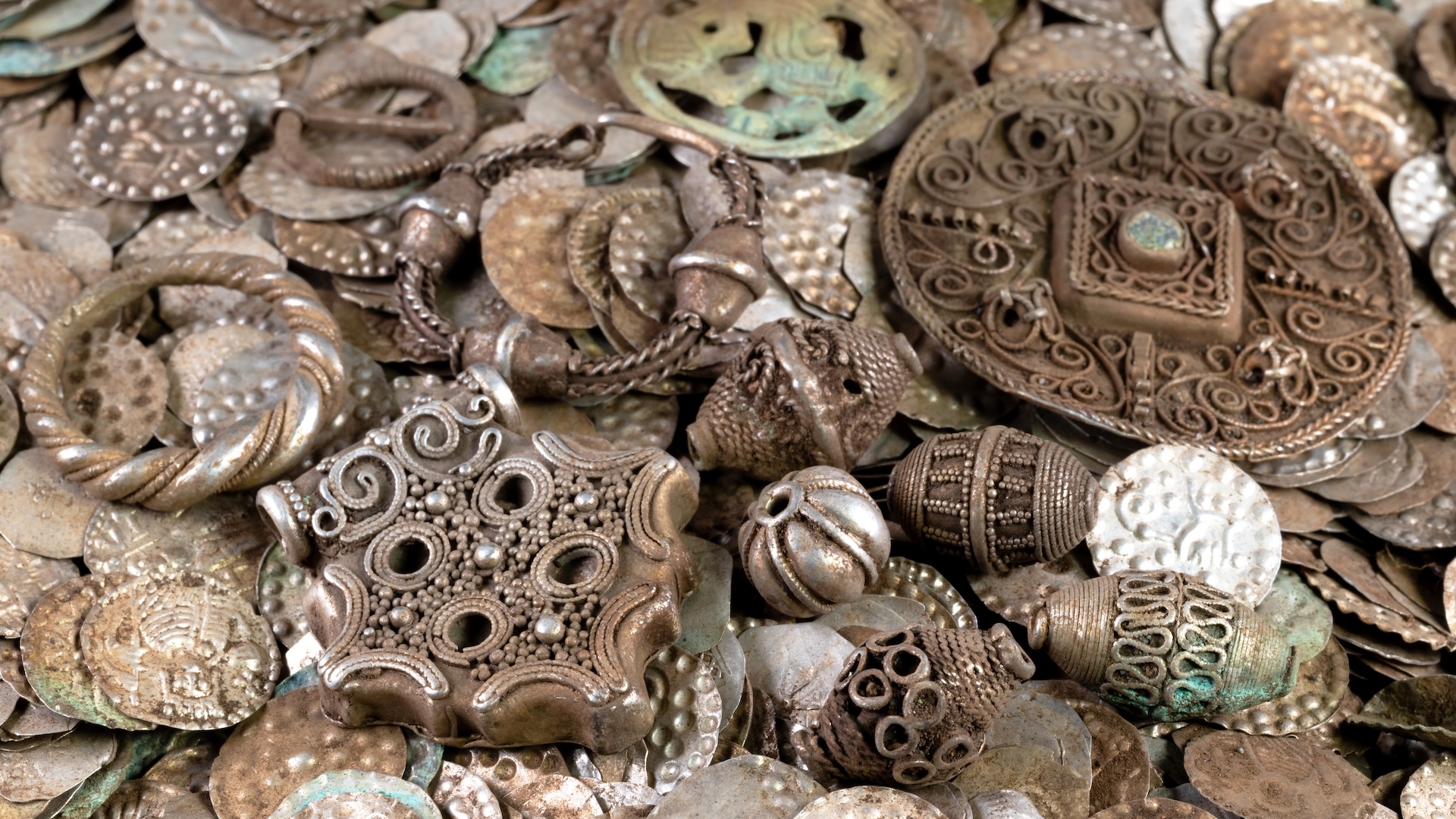 Up to 20,000 coins from Early Middle Ages discovered by man digging for worms near Stockholm
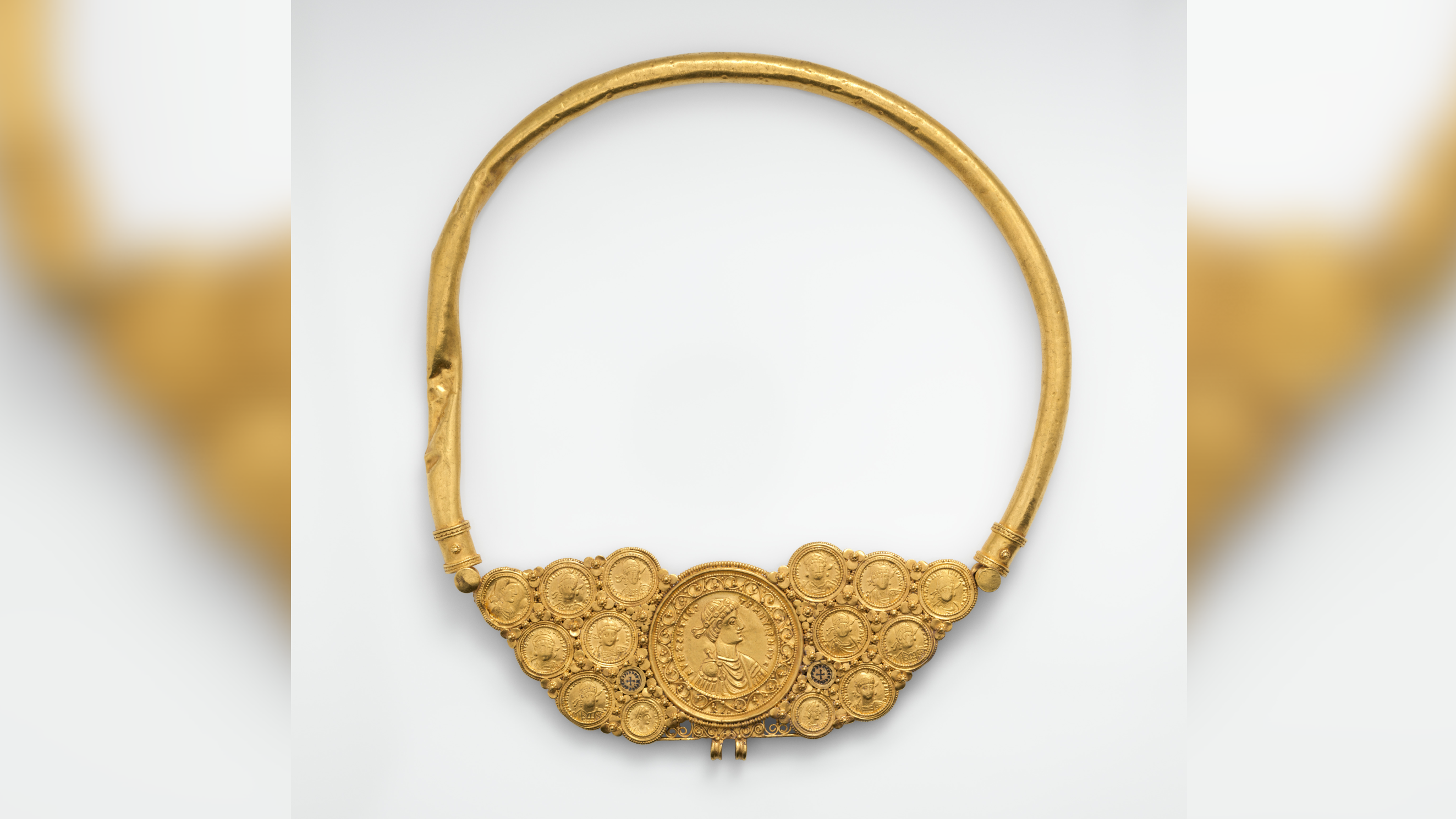 Pectoral with coins: 'One of the most intricate pieces of gold jewelry to survive from the mid-sixth century'
Latest in Archaeology
Pectoral with coins: 'One of the most intricate pieces of gold jewelry to survive from the mid-sixth century'
Latest in Archaeology
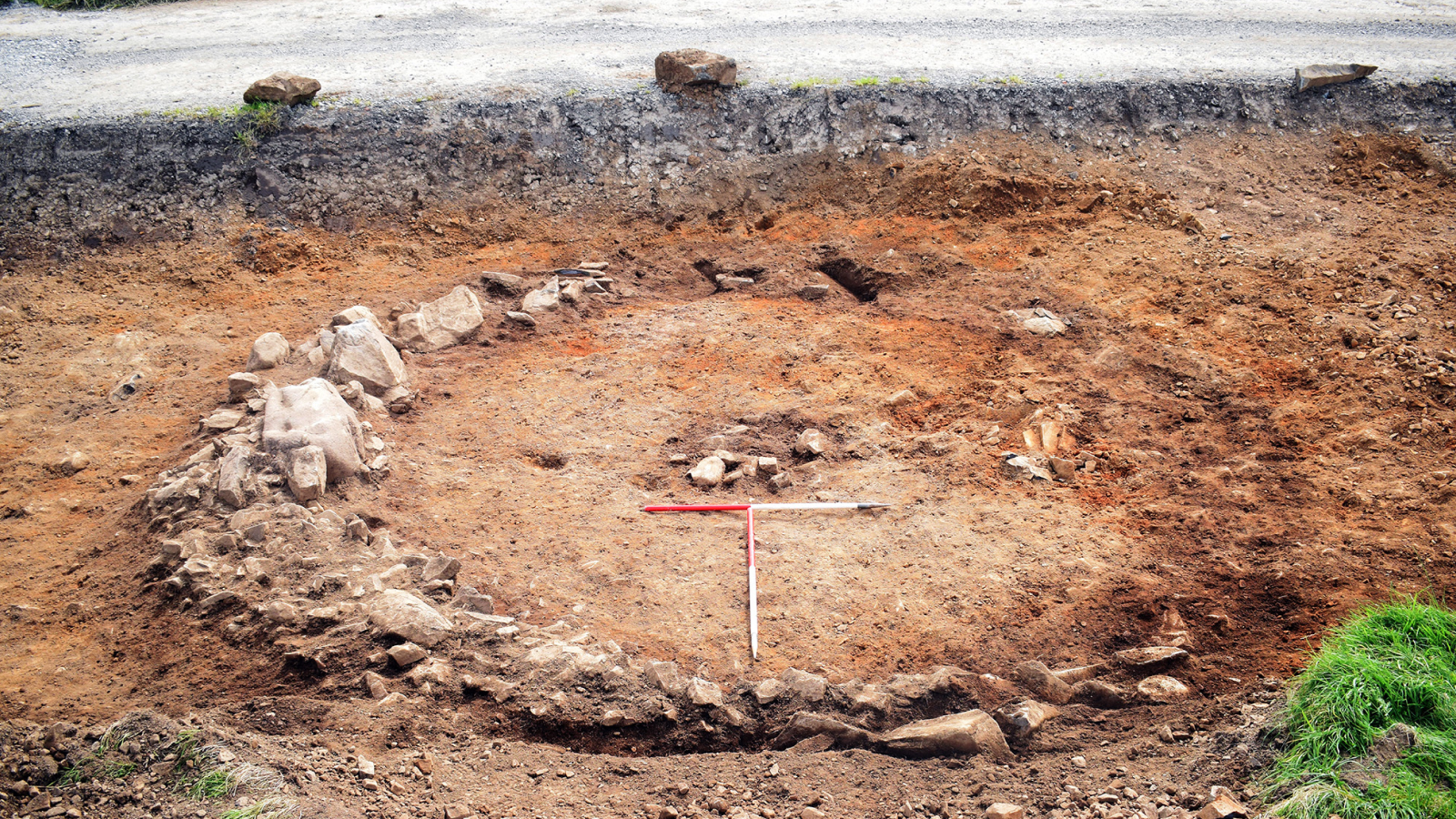 3,300-year-old cremations found in Scotland suggest the people died in a mysterious catastrophic event
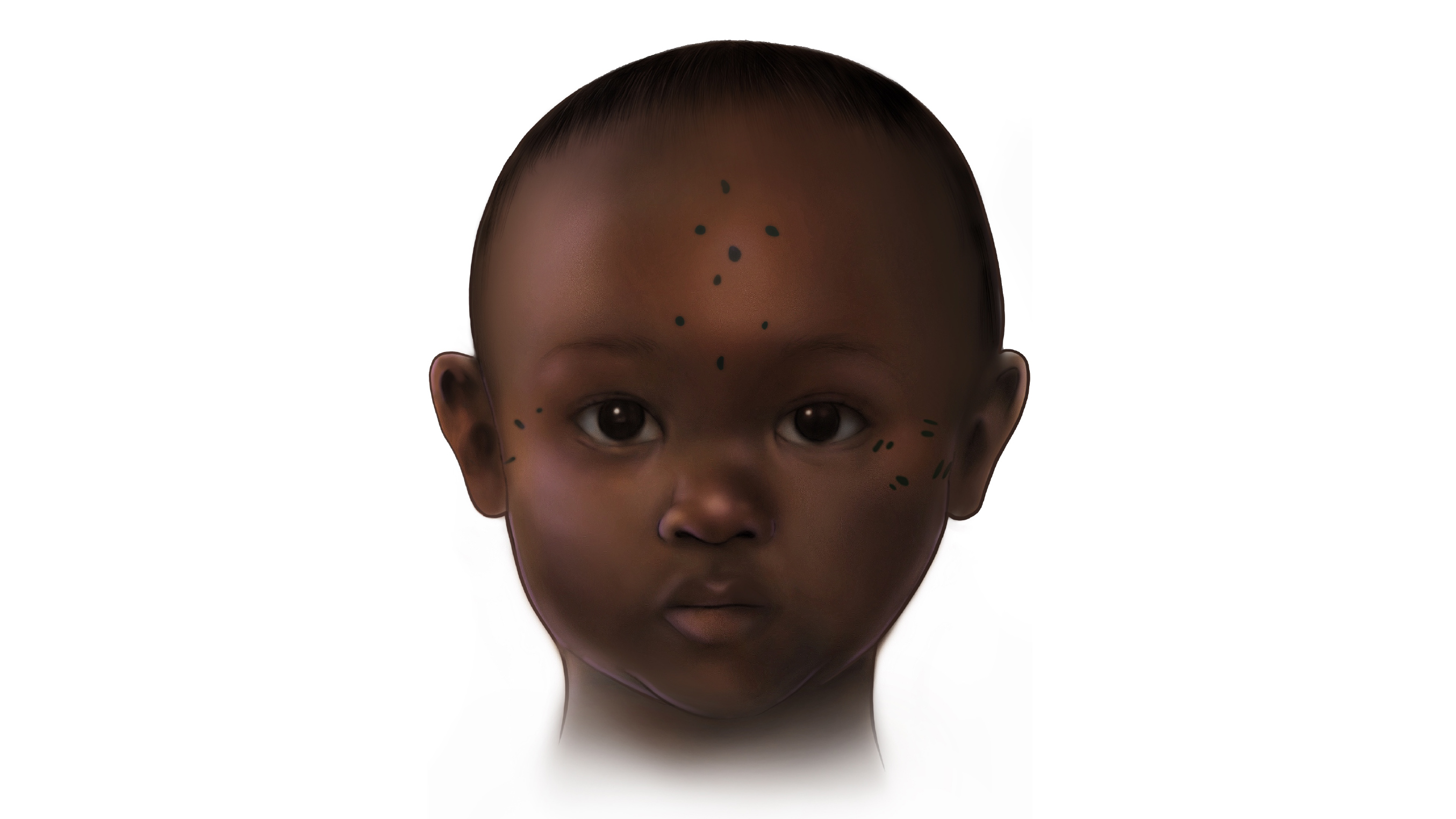 1,400 years ago, Nubians tattooed their toddlers. Archaeologists are trying to figure out why.
 Diarrhea and stomachaches plagued Roman soldiers stationed at Hadrian's Wall, discovery of microscopic parasites finds
 Oldest known evidence of father-daughter incest found in 3,700-year-old bones in Italy
 Rare 1,300-year-old medallion decorated with menorahs found near Jerusalem's Temple Mount
 Detectorists find Anglo-Saxon treasure hoard that may have been part of a 'ritual killing'
Latest in News
2,300-year-old Celtic gold coins found in Swiss bog
Detectorists find Anglo-Saxon treasure hoard that may have been part of a 'ritual killing'
Latest in News
2,300-year-old Celtic gold coins found in Swiss bog
 Scientists build 'most accurate' quantum computing chip ever thanks to new silicon-based computing architecture
 New EV motor invention could cut 1,000 pounds from future vehicles, making them much lighter while boosting their range
 Japan laser weapon trial, comet 3I/ATLAS bids farewell, and AI solves 'impossible' math problems
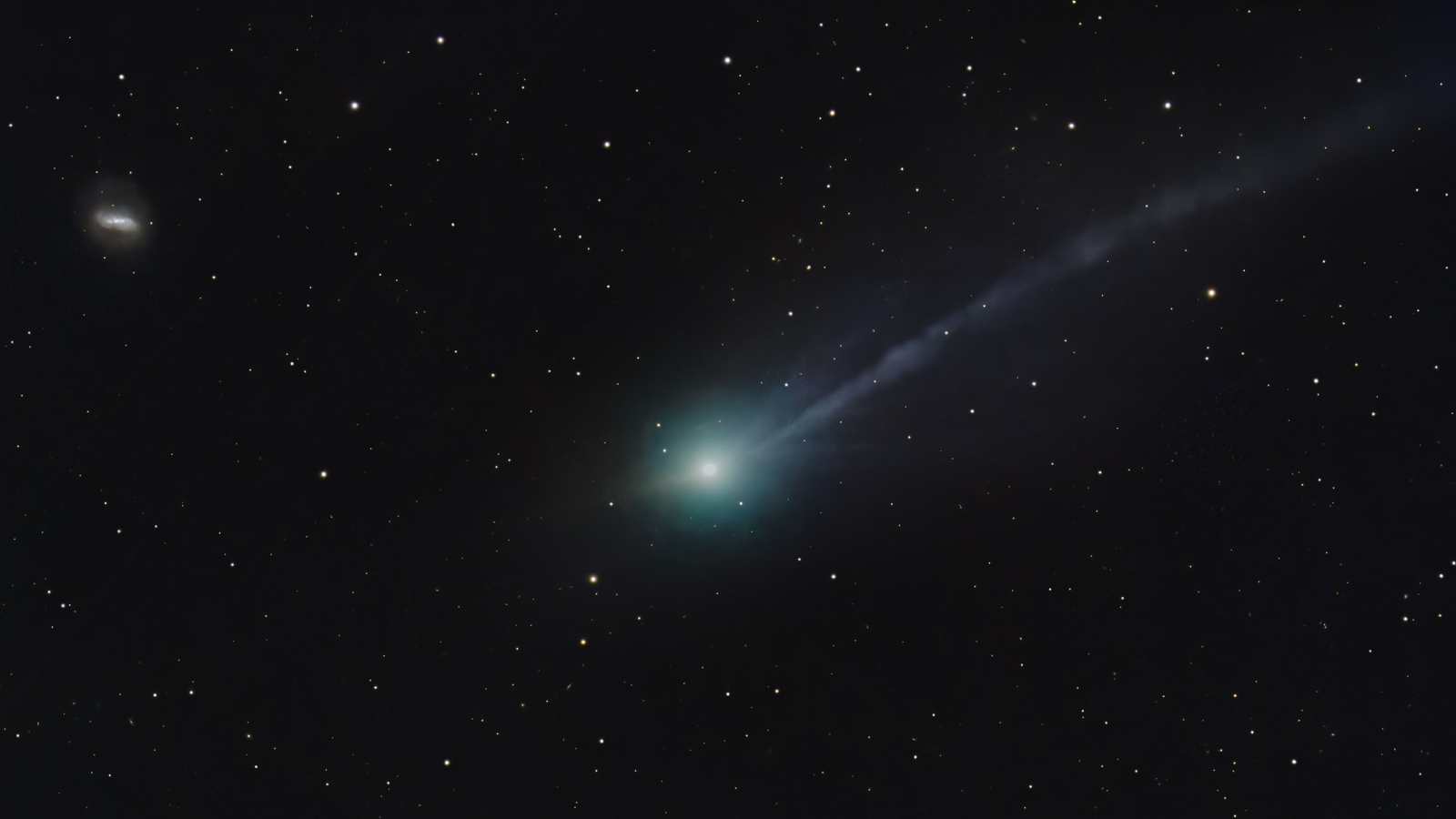 Interstellar comet 3I/ATLAS makes closest pass of Earth. Where's it heading next?
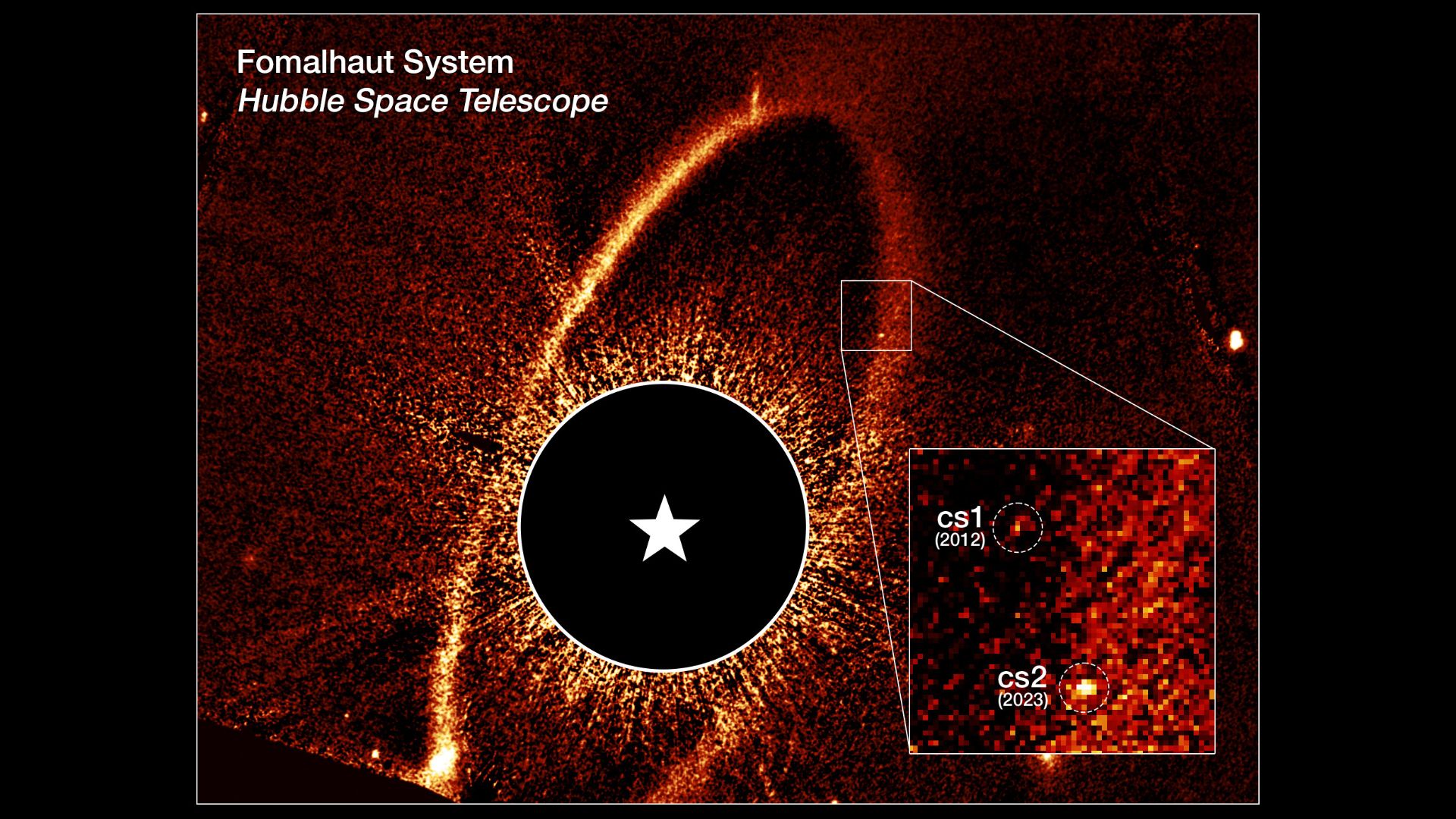 'Unprecedented' protoplanet collision spotted in 'Eye of Sauron' star system just 25 light-years from Earth
LATEST ARTICLES
'Unprecedented' protoplanet collision spotted in 'Eye of Sauron' star system just 25 light-years from Earth
LATEST ARTICLES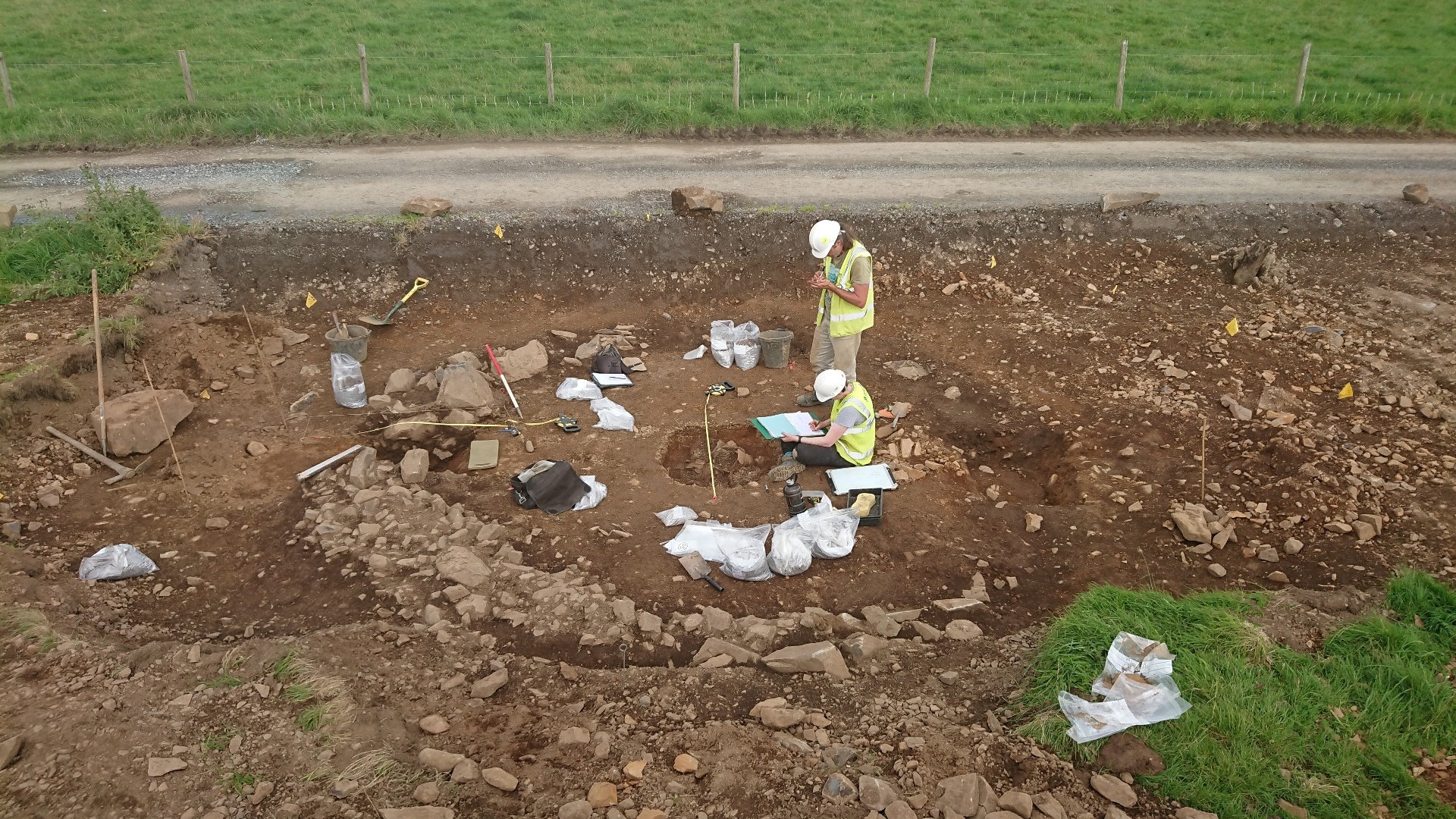 13,300-year-old cremations found in Scotland suggest the people died in a mysterious catastrophic event
- 2Scientists claim 'Lucy' may not be our direct ancestor after all, stoking fierce debate
- 3New EV motor invention could cut 1,000 pounds from future vehicles, making them much lighter while boosting their range
- 4Reliquary of the Holy Crib: Remains of Jesus' manger from Bethlehem
- 5The self-gifter's Christmas: Treat yourself to gear you'll actually want this Christmas