 Fania/Cortesía
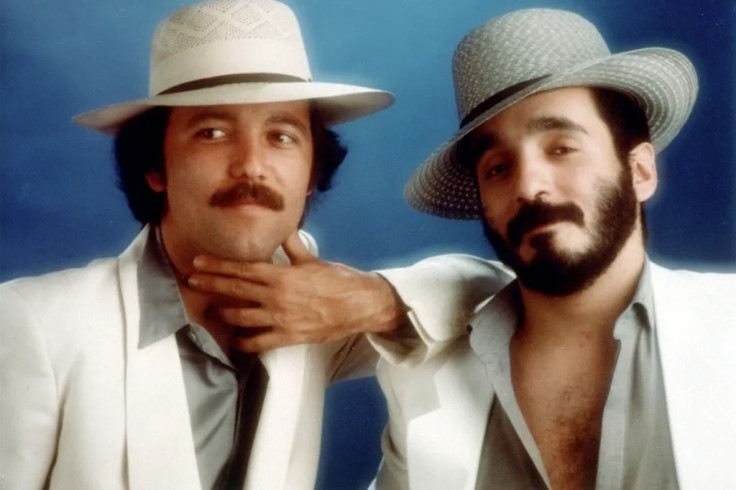
If there was one collaboration that changed the history of Latin music, it was that of Rubén Blades and Willie Colón. On Saturday, the legendary Panamanian artist mourned the death of the New York–born composer, singer, trombonist, and producer, bringing a somber close to days of growing concern following Colón's recent hospitalization.
Related-
Willie Colón, Salsa Innovator Who Redefined Latin Music, Dies at 75

"I have just confirmed what I was resisting believing: Willie Colón has indeed passed away," Blades wrote in Spanish in a brief but emotional public message. "To his wife Julia, his children, his family and loved ones, I extend my heartfelt condolences. Later, and with calm, I will write about Willie and his vital and important musical legacy."
WILLIE COLON Acabo de confirmar lo que me resistÍa a creer: Willie Colón efectivamente ha fallecido.A su esposa Julia, a sus hijos, familia y seres queridos envío mi sentido pésame.Más adelante y con calma escribiré sobre Willie y su vital e importante legado musical.Rubén… pic.twitter.com/mx7OakRTLH
— Rubén Blades (@rubenblades) February 21, 2026
The statement marked the first direct confirmation of Colón's death from someone within his closest artistic circle. Blades had earlier been the figure who alerted the public to Colón's medical condition, writing days before that his colleague had been hospitalized in New York due to an apparent respiratory issue.
At the time, Blades said information was limited but urged fans to keep Colón and his family in their thoughts, a message that quickly spread across the Latin music world and prompted an outpouring of concern.
WILLIE COLON Noticias en internet informan que mi colega Willie Colón, se encuentra internado en un hospital en New York, trasladado alli con urgencia por un aparente problema respiratorio.No tengo mucha información sobre la situación pero le envío mis deseos de una pronta…
— Rubén Blades (@rubenblades) February 20, 2026
Colón, one of the most influential architects of modern salsa, died at 75. His family later confirmed that he passed away peacefully, surrounded by loved ones.
The bond between Colón and Blades is one of the most consequential partnerships in the history of Latin music. Though both men had already established individual careers, their collaboration in the late 1970s elevated salsa to an entirely new artistic and commercial level. Together, they fused socially conscious lyrics with sophisticated arrangements, proving that dance music could also function as political commentary and narrative art.
Their most celebrated work, Siembra (1978), is widely regarded as one of the most important salsa albums ever recorded and one of the genre's best-selling releases of all time. Songs such as Pedro Navaja and Plástico transcended the dance floor, offering sharp portraits of urban life, inequality and moral contradiction across Latin America and the Latino diaspora in the United States. The album cemented Colón's reputation as a visionary producer and Blades' emergence as a leading voice in socially engaged songwriting.
Despite their success, the two artists later pursued separate creative paths and experienced periods of distance and public disagreement. Still, both consistently acknowledged the importance of their shared history and the cultural impact of their work together. In recent years, Blades had spoken respectfully of Colón's influence on his career and on salsa as a whole, even when their personal and political views diverged.
Colón's death has prompted tributes from musicians, fans and cultural institutions across the Americas, many of whom credit him with transforming salsa from a regional genre into a global movement. His aggressive trombone sound, innovative arrangements and willingness to address uncomfortable themes reshaped Latin music during its most formative decades.
As tributes continue, the legacy of Willie Colón remains inseparable from the artistic dialogue he shared with Rubén Blades, a partnership that not only produced historic music but also changed the trajectory of salsa and Latin music forever.
Related-
Robert Duvall dead at 95: His Love Affair with Argentina and Tango Culture

-
Super Bowl 2026: Bad Bunny's 13-Minute Halftime Show Turned Into a Unifying Party Across the Americas

-
Premio Lo Nuestro 2026: All the Winners

© 2025 Latin Times. All rights reserved. Do not reproduce without permission.